
Composite type emulsifier, and emulsion prepared by using the emulsifier, and preparation method
A compound emulsifier, emulsifier technology, applied in the field of medicine, can solve the problems of emulsion freezing and thawing
Patent Information
- Authority / Receiving Office
- CN · China
- Patent Type
- Applications(China)
- Current Assignee / Owner
- Publication Date
- 2007-12-26
- Estimated Expiration
- Not applicable · inactive patent
Smart Images
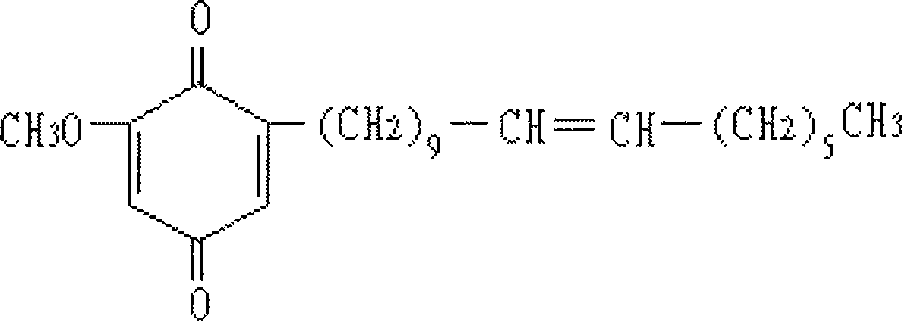
Figure 1 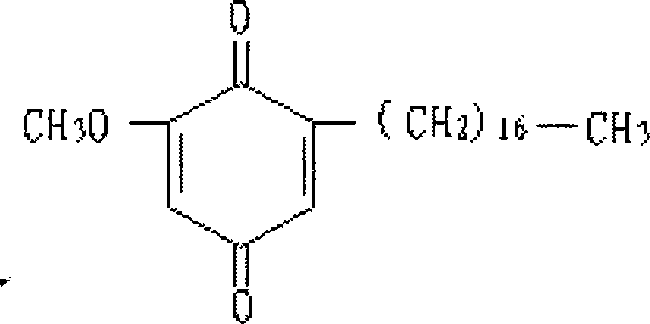
Figure 2 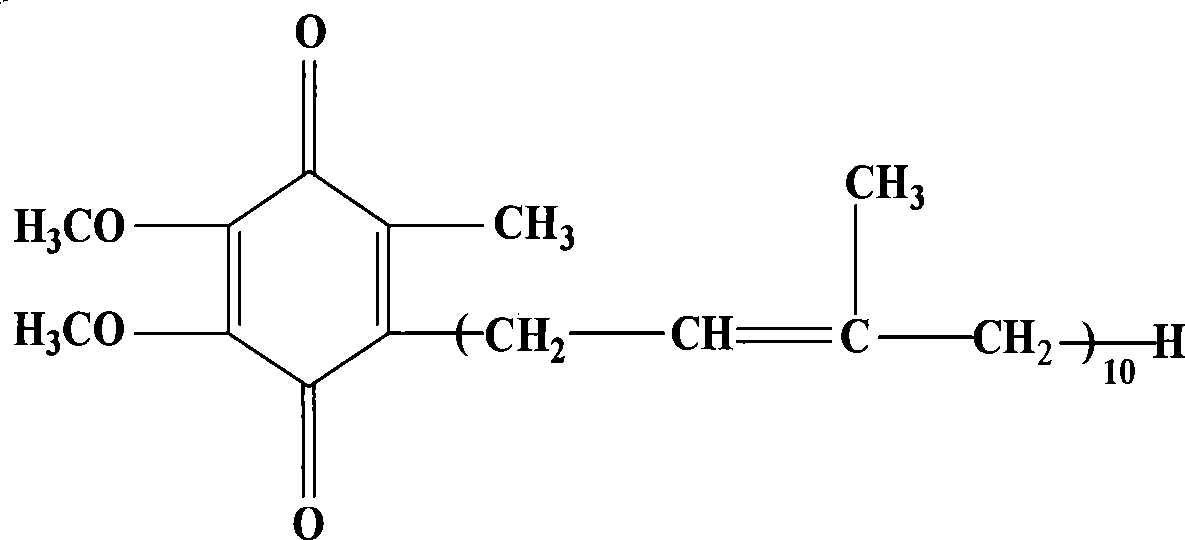
Figure 3
Abstract
Description
Technical field:
[0001] The invention relates to the technical field of medicines, and relates to a composite emulsifier, an emulsion capable of resisting high temperature and low temperature damage prepared by using the compound emulsifier, and a preparation method thereof. Background technique:
[0002] Generally speaking, the composition of the emulsion includes "oil phase", "water phase" and "emulsifier". Since the conventional (classic or traditional) emulsion is an unstable system, it is easily affected by external conditions, such as freezing, vibration, etc. Operations such as shaking and high-temperature sterilization will cause particle size changes, or even demulsification and oil separation, resulting in significant changes in product quality, affecting curative effect, unexpected adverse reactions, and even scrapping, resulting in great losses. At present, most of the oil phases for the preparation of emulsions use long-chain fatty acid esters, such as soybean o...
Examples
Embodiment 1
[0057] Example 1: Investigate with HS 15 When SPC is used as a compound emulsifier, the effect of different ratios of soybean oil / medium chain oil as oil phase emulsion on particle size before and after freezing and thawing.
[0058] Prescription composition: Coenzyme Q 10 0.25g, soybean lecithin 1.2g, HS 15 0.9g, oil for injection 10g, glycerin 2.2g, and the rest water for injection, a total of 100mL.
[0059] The oil for injection is soybean oil / medium chain oil ratio of 100:0~0:100 (w / w)
[0060] 1. In the preparation tank, inject oil, phospholipid, HS 15 Heat to 50°C, stir until dissolved, add the drug, stir to dissolve;
[0061] 2. In the preparation tank, add glycerin into the water for injection, and stir at 50°C for 5 minutes to completely dissolve it.
[0062] 3. Add 2 to 1 under stirring conditions, and stir at 50°C to obtain colostrum. The resulting liquid is passed through a microfluidizer. The first step is to adjust the homogenization pressure to 4000psi, ...
Embodiment 2
[0067] Example 2: When TPGS and SPC were used as compound emulsifiers, different ratios of soybean oil / medium chain oil were used as oil phases to investigate the effect of particle size on the emulsion before and after freezing and thawing.
[0068] Prescription composition: Coenzyme Q 10 0.25g, soybean lecithin 1.2g, TPGS 1g, oil for injection 10g, glycerin 2.2g, and the rest water for injection, 100mL in total.
[0069] The oil for injection is soybean oil / medium chain oil ratio of 100:0~0:100 (w / w)
[0070] 1. In the preparation tank, heat the oil for injection, phospholipid, and TPGS to 50°C, stir until dissolved, add the drug, and stir to dissolve;
[0071] 2. In the preparation tank, add glycerin into the water for injection, and stir at 50°C for 5 minutes to completely dissolve it.
[0072] 3. Add 2 to 1 under stirring conditions, and stir at 50°C to obtain colostrum. The resulting liquid is passed through a microfluidizer. The first step is to adjust the homogeniza...
Embodiment 3
[0077] Example 3: To investigate the effect of different phospholipids on the particle size of the emulsion before and after freezing and thawing.
[0078] Prescription composition: Coenzyme Q 10 1.0g, phospholipids 1.2g, HS 15 3.0g, 10g of oil for injection (soybean oil / medium chain oil, 15 / 85, w / w), 5.0g of propylene glycol, 0.05g of EDTA-2Na, the rest is water for injection, 100mL in total.
[0079] 1. In the preparation tank, inject oil, phospholipid, HS 15 Heat to 80°C, stir until dissolved, add the drug, stir to dissolve;
[0080] 2. In the preparation tank, add propylene glycol and EDTA-2Na into the water for injection, and stir at 80°C for 5 minutes to dissolve them completely;
[0081] 3. Add 2 to 1 under the condition of stirring, and stir at 50°C to obtain colostrum. The obtained liquid is passed through a microfluidizer. The first step is to adjust the homogenization pressure to 5000psi, and the second step is to adjust it to 14000psi. Homogenize repeatedly t...