
Method for obtaining high-quality X-ray absorption spectrum of thin film sample
An absorption spectrum and X-ray technology, applied in the field of obtaining X-ray absorption spectrum, can solve the problems of unfavorable energy-resolved detectors, temporary blindness of energy-resolved detectors, etc., and achieve the effect of improving accuracy and high feasibility
- Summary
- Abstract
- Description
- Claims
- Application Information
AI Technical Summary
Problems solved by technology
Method used
Image

Examples
Embodiment 1
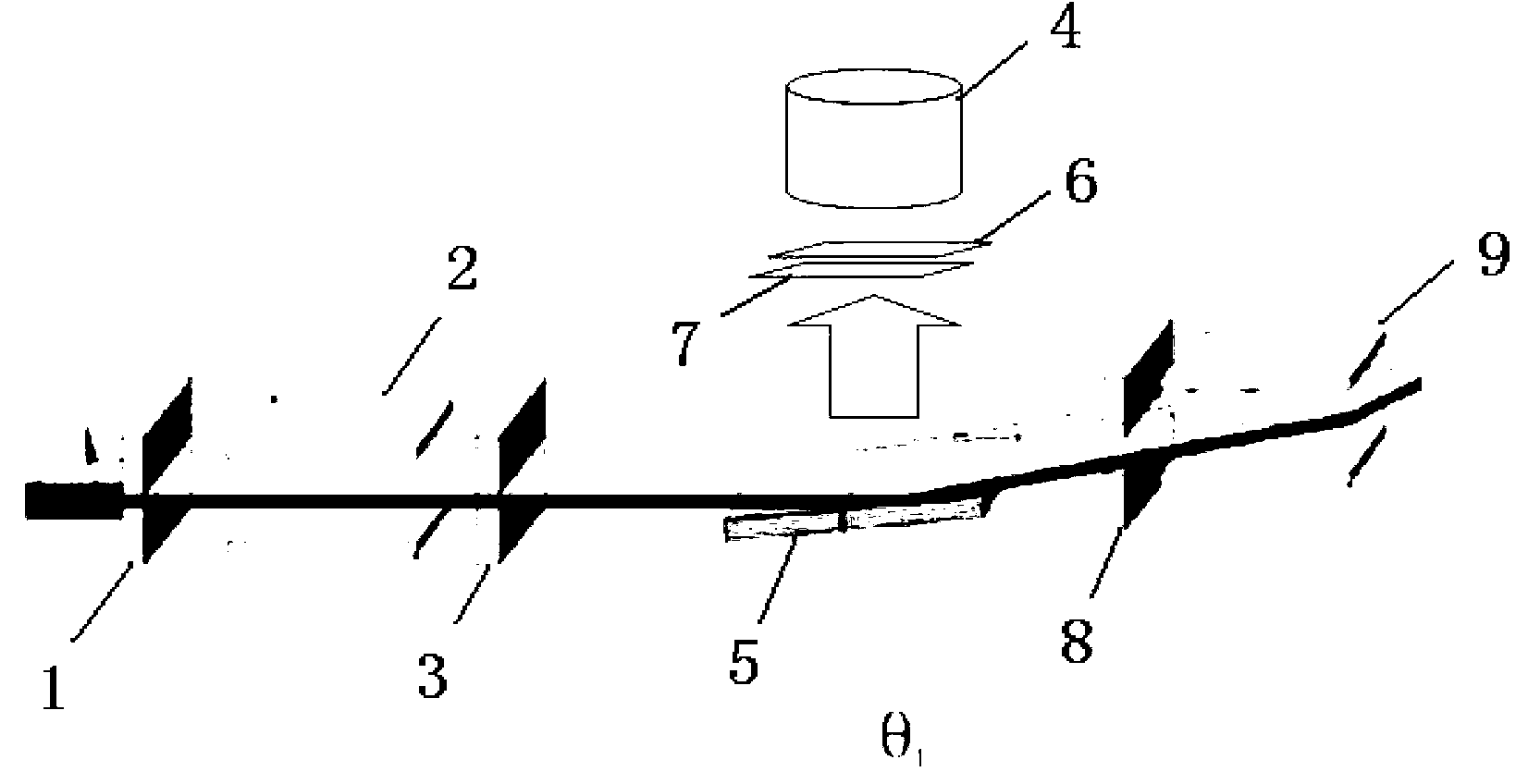
[0040] The method for obtaining the X-ray absorption spectrum of a high-quality film sample described in this embodiment specifically includes the following steps:
[0041] 1. Prepare the pre-collection work of the X-ray absorption spectrum detection device in fluorescence mode; the preparation work described here is understood by those skilled in the art, such as device optical path calibration, etc.;
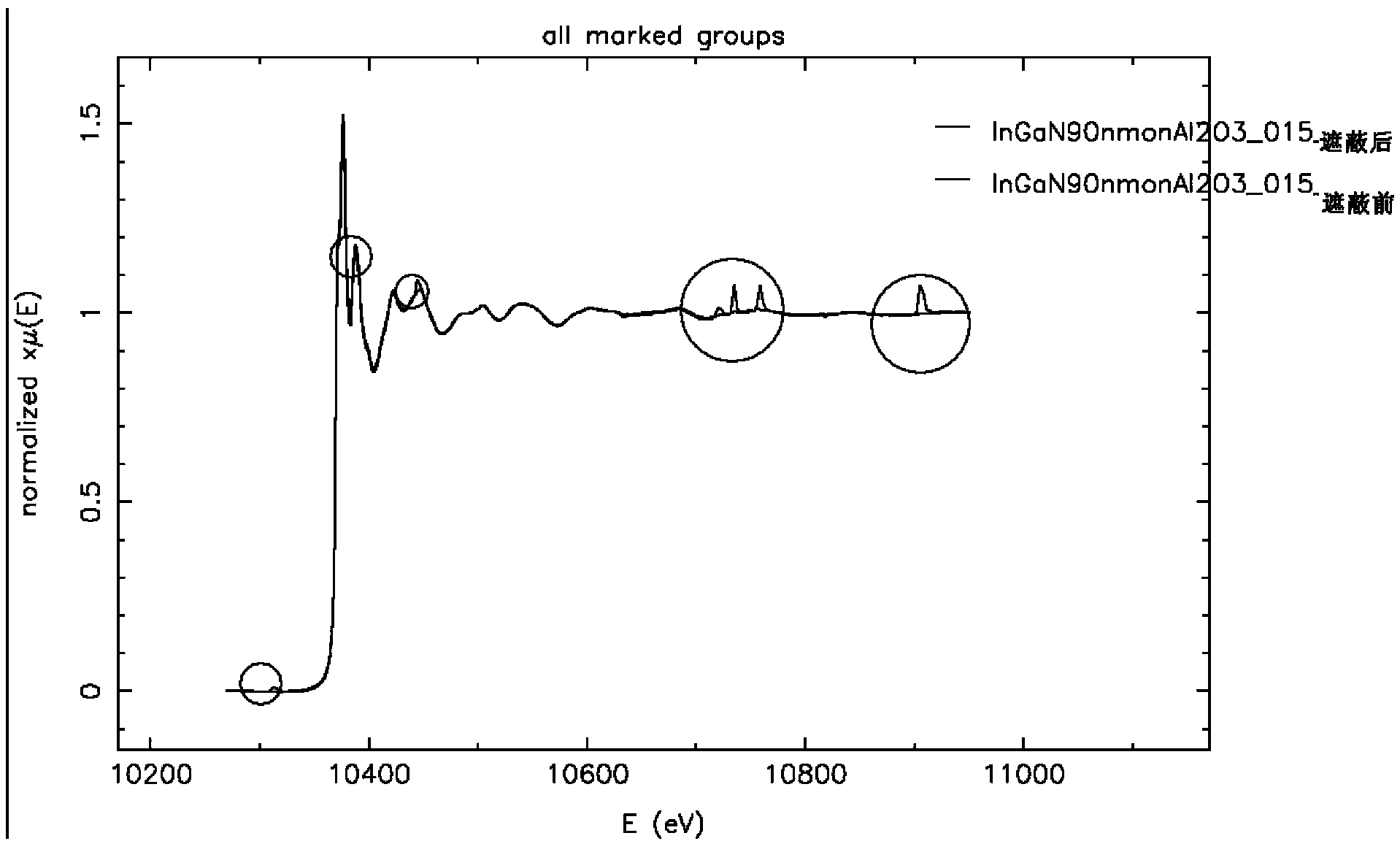
[0042] 2. Without any processing, quickly collect experimental data with conventional operations, and judge whether there are obvious diffraction peaks in the absorption spectrum; if so, go to step 3;
[0043] 3. Move the scanning X-ray energy to the front, place a dry film that matches the size of the probe at the front of the detector, and quickly collect data again;
[0044] 4. After the data collection is over, remove the dry film and observe the diffraction spots on it. Since the detected fluorescence signal diverges at an angle of 4π, all substantial exposure points may ...
PUM
| Property | Measurement | Unit |
|---|---|---|
| thickness | aaaaa | aaaaa |
| thickness | aaaaa | aaaaa |
| density | aaaaa | aaaaa |
Abstract
Description
Claims
Application Information
 Login to View More