

Optical film and preparation method thereof and flexible cover plate
An optical film and substrate film technology, applied in optics, optical components, instruments, etc., can solve the problems of difficult cutting and forming process, non-bending, easy to break, etc., to meet the needs of flexible display devices, good surface hardness , the effect of not easily broken
Patent Information
- Authority / Receiving Office
- CN · China
- Patent Type
- Applications(China)
- Current Assignee / Owner
- Publication Date
- 2021-11-12
Smart Images
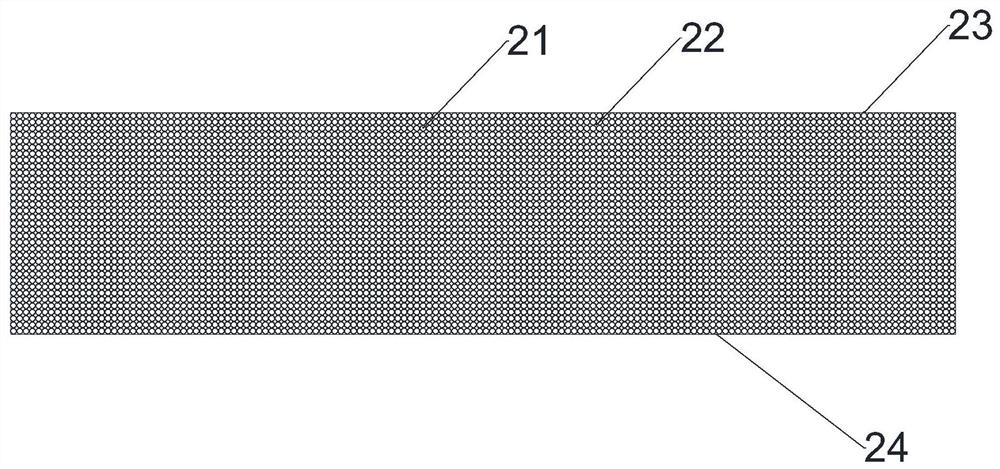
Figure 1 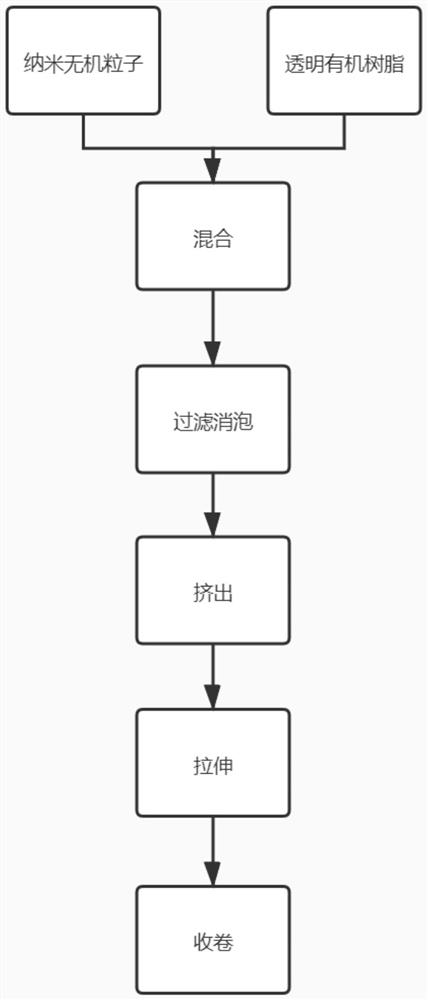
Figure 2 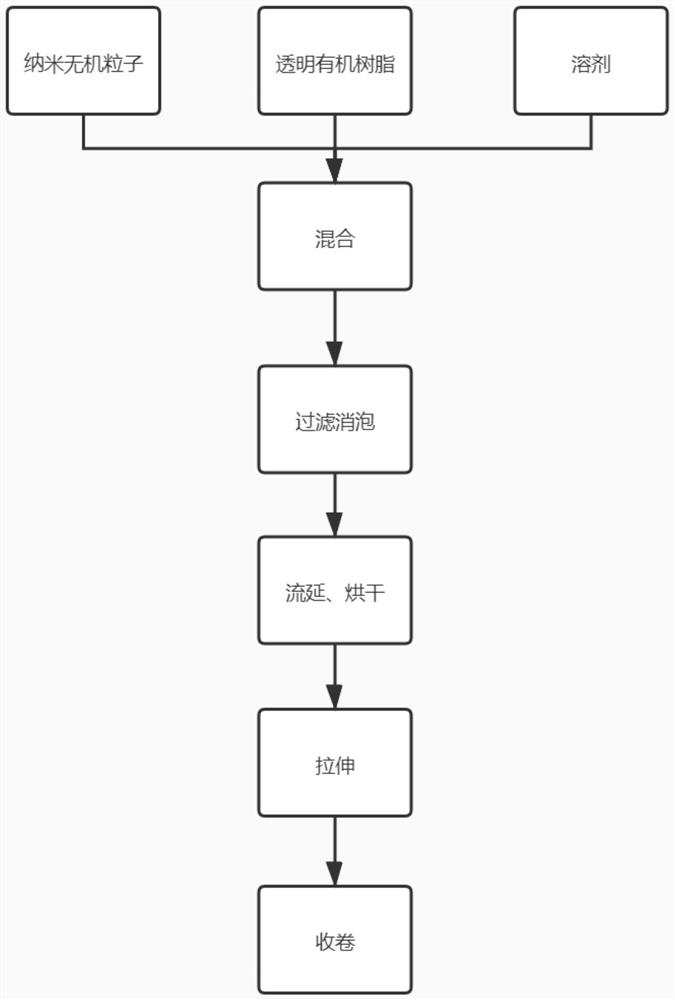
Figure 3
Abstract
Description
technical field
[0001] The present application relates to the display field, in particular to an optical film used as a flexible cover and a preparation method thereof. Background technique
[0002] Cover glass (Cover Lens or Cover Glass), also known as strengthened optical glass, glass window, etc. The main raw material of the product is ultra-thin flat glass. After cutting, CNC engraving, thinning, cleaning inspection, strengthening, coating, silk screen and other processes, it has impact resistance, scratch resistance, oil resistance, fingerprint resistance, and enhanced light transmission. rate and other functions. Since the cover glass is in direct contact with the outside world, in addition to the surface finish, thickness and other parameters, properties such as high hardness, compression resistance, and scratch resistance determine the quality of the cover glass. After the cover glass is attached to the outer layer of the touch screen, it can protect the touch scre...
Examples
Embodiment 1~10 and comparative example 1~3
[0050] The types of optical films prepared in Examples 1-10 are different, and Comparative Examples 1-3 adopt conventional CPI products (purchased from Kolon Company), and the two sides of CPI products adopt hard coating (hard coating), thinned glass (thickness 70um, purchased from Short Corporation)
[0051] The compositions of the optical film production raw materials in Examples 1 to 10 are shown in Table 1.
[0052] Embodiments 1 to 5 use the extrusion process to carry out the nano-inorganic particles and the transparent organic resin; specifically, as figure 2 As shown, the first step is to fully mix the inorganic nanoparticles and the transparent organic resin: if it is a low melting point resin, it can be mixed with the inorganic nanoparticles in the molten state; the mixing process can be combined with the grinding process to ensure that the nanoparticles are fully dispersed; the nanoparticles and After the resin is mixed, it can be granulated, or it can enter the fi...