Method of manufacturing surface textured high-efficiency radiating devices and devices obtained therefrom

a technology of radiating devices and surface textured, which is applied in the direction of instruments, originals for photomechanical treatment, nuclear engineering, etc., can solve the problems of reducing the efficiency of the total light emission of the device, the device is not suitable for integration in large arrays, and the device is inherently slow, so as to reduce the recombination effect of charge carriers, improve the efficiency and the speed of the device, and reduce the surface recombination
US20030075723A1Inactive Publication Date: 2003-04-24SIGNIFY HLDG BV

Patent Information

Authority / Receiving Office
US ยท United States
Patent Type
Applications(United States)
Current Assignee / Owner
SIGNIFY HLDG BV
Publication Date
2003-04-24
Estimated Expiration
Not applicable ยท inactive patent

Smart Images

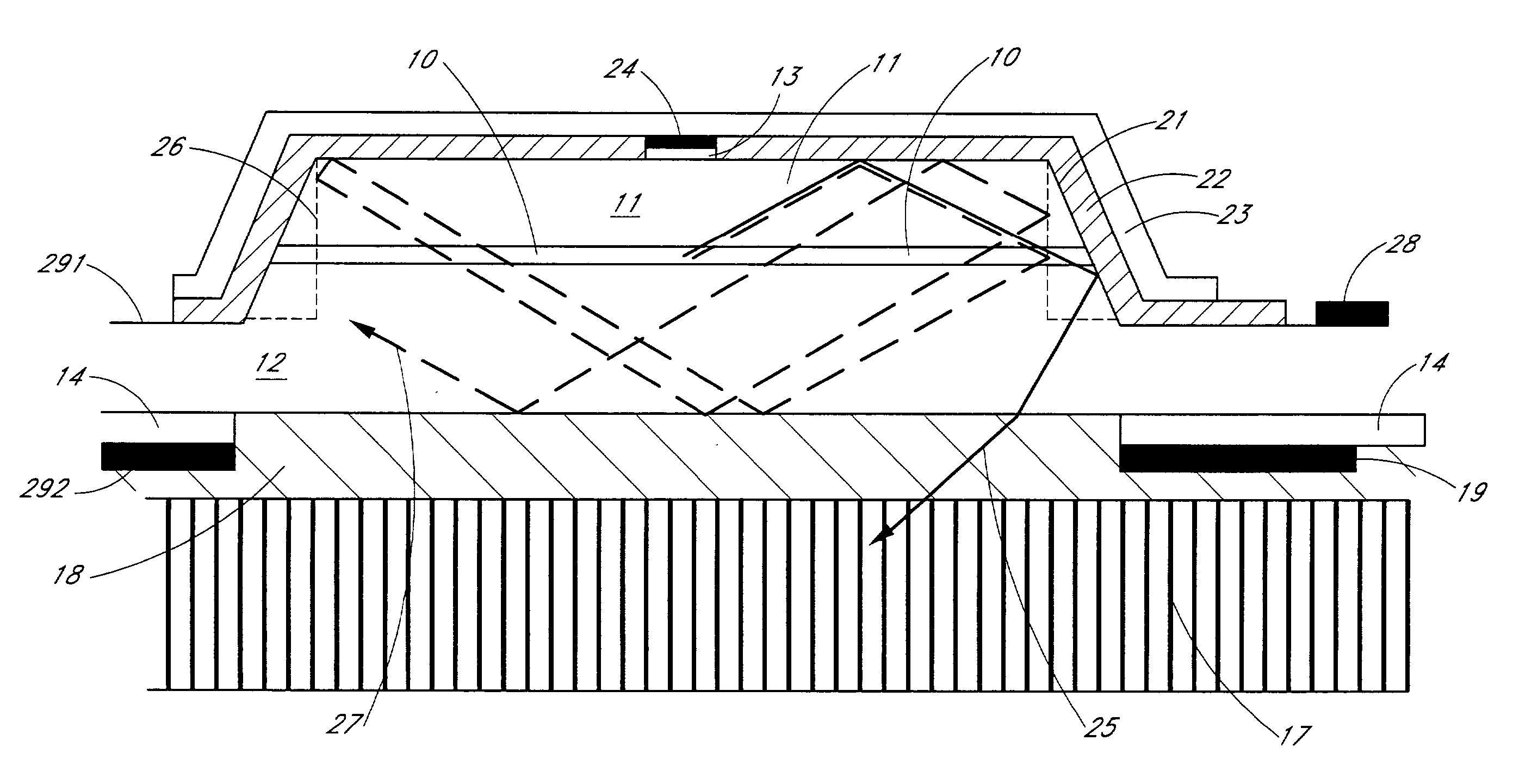
  • Figure 1
    Figure 1
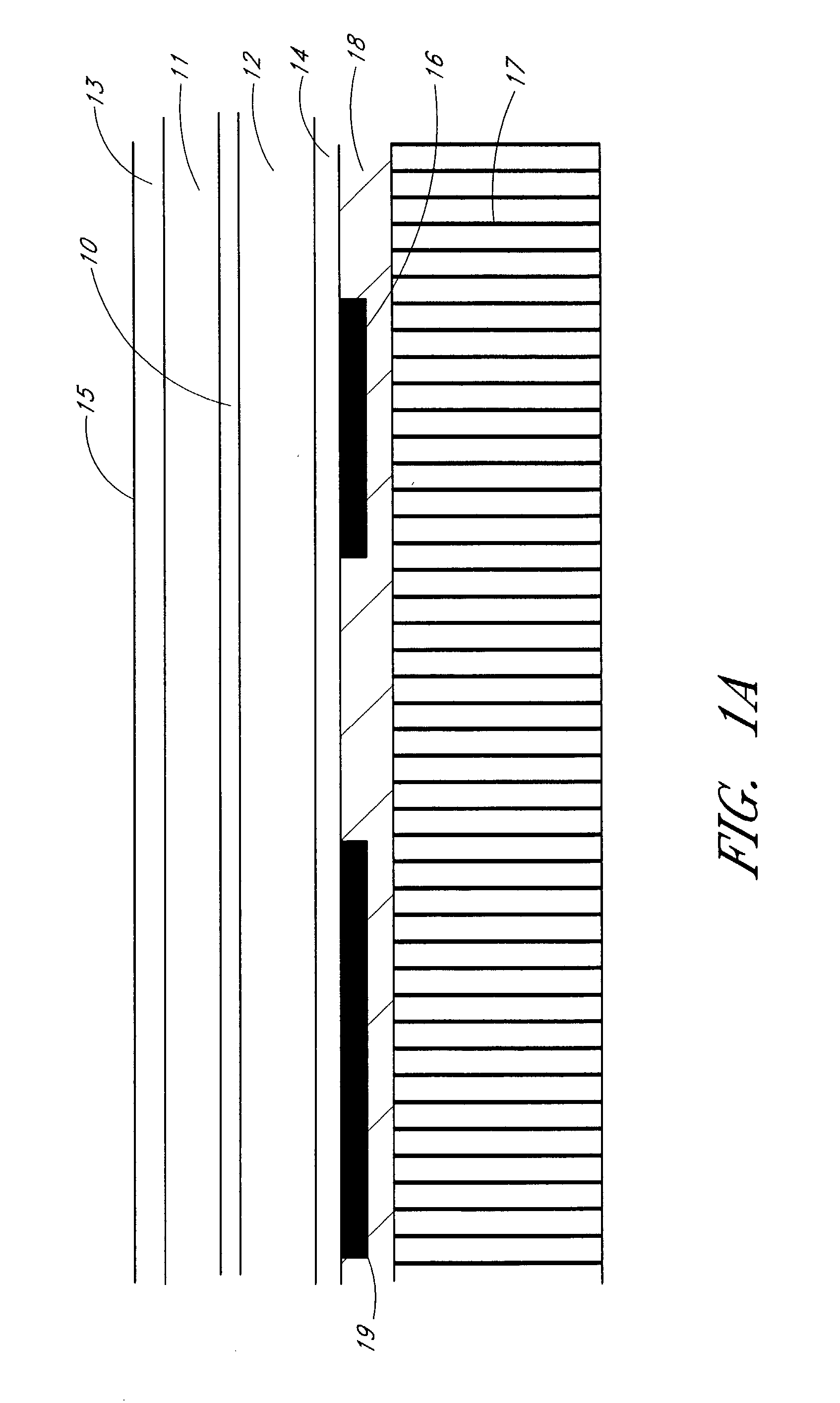
  • Figure 2
    Figure 2
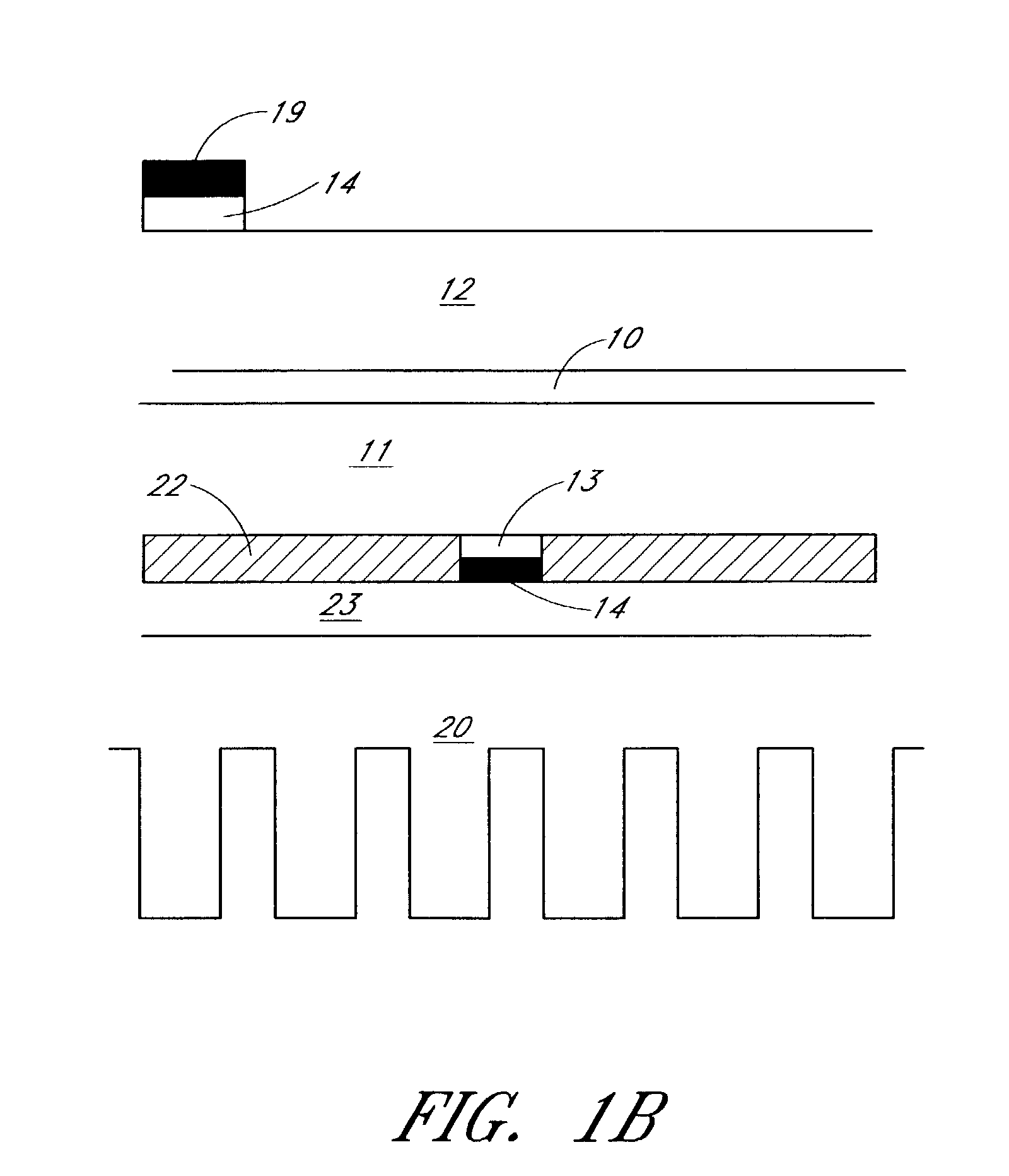
  • Figure 3
    Figure 3
Patent Text Reader

Abstract

The present invention relates to radiation, preferably light emitting, devices with a high radiation emission efficiency and to fabricating these as small devices in an array of such devices. In one embodiment, the emitting devices can be placed in dense arrays. In another embodiment, outcoupling efficiency of the devices is improved, which leads to a reduced power consumption for a given radiation output power. In another embodiment, the speed of the radiation is increased, hence the serial bandwidth per optical channel is increased. The invention further relates to light emitting devices that exhibit uniform radiation emission characteristics. The light emitting devices (diodes, LEDs) of the present invention can be used for applications wherein two-dimensional LED arrays, particularly low-power arrays, are useful, such as in display technology. Active matrix displays relying on liquid crystals (e.g. integrated on CMOS circuitry) could be replaced by LED arrays. Dense and bright one-dimensional LED arrays are useful for example for printing and copying. Also for single LED applications it is important to have a maximum of photons escaping from the light emitting surface. The intensity of light per unit area (the brightness) is larger, and this is useful in many applications. Furthermore, the packaging cost can be reduced. In order to achieve a large global efficiency, many conventional LEDs need an elaborate package that includes a cavity with mirrors, because the light is emitted from more than one surface of the LED.
Need to check novelty before this filing date? Find Prior Art

Description

[0001] The present invention is related to the field of radiation emitting devices. More in particular semiconductor devices that emit light at a predetermined wavelength with a high efficiency are disclosed. A method of making such devices and applications of the devices are also disclosed.

[0002] Semiconductor devices that can emit non-coherent or coherent light are known in the art. A number of publications on semiconductor based light emitters deals with Light Emitting Diodes (LEDs) or Microcavity LEDs or Microcavity Lasers or Vertical Cavity Surface Emitting Lasers. Examples of such publications are:

[0003] H. De Neve, J. Blondelle, R. Baets, P. Demeester, P. Van Daele, G. Borghs, IEEE Photon. Technol. Lett. 7 287 (1995);

[0004] E. F. Schubert, N. E. J. Hunt, R. J. Malik, M. Micovic, D. L. Miller, "Temperature and Modulation Characteristics of Resonant-Cavity Light-Emitting Diodes", Journal of Lightwave Technology, 14 (7), 1721-1729 (1996);

[0005] T. Yamauchi and Y. Arakawa, Enhanc...

Claims

the structure of the environmentally friendly knitted fabric provided by the present invention; figure 2 Flow chart of the yarn wrapping machine for environmentally friendly knitted fabrics and storage devices; image 3 Is the parameter map of the yarn covering machine
Login to View More