
Self-ionized and inductively-coupled plasma for sputtering and resputtering
a plasma and inductive coupling technology, applied in vacuum evaporation coatings, solid-state devices, coatings, etc., can solve problems such as difficult reflow out, disadvantageous wide distribution, and introduction of reliability problems
- Summary
- Abstract
- Description
- Claims
- Application Information
AI Technical Summary
Benefits of technology
Problems solved by technology
Method used
Image

Examples
Embodiment Construction
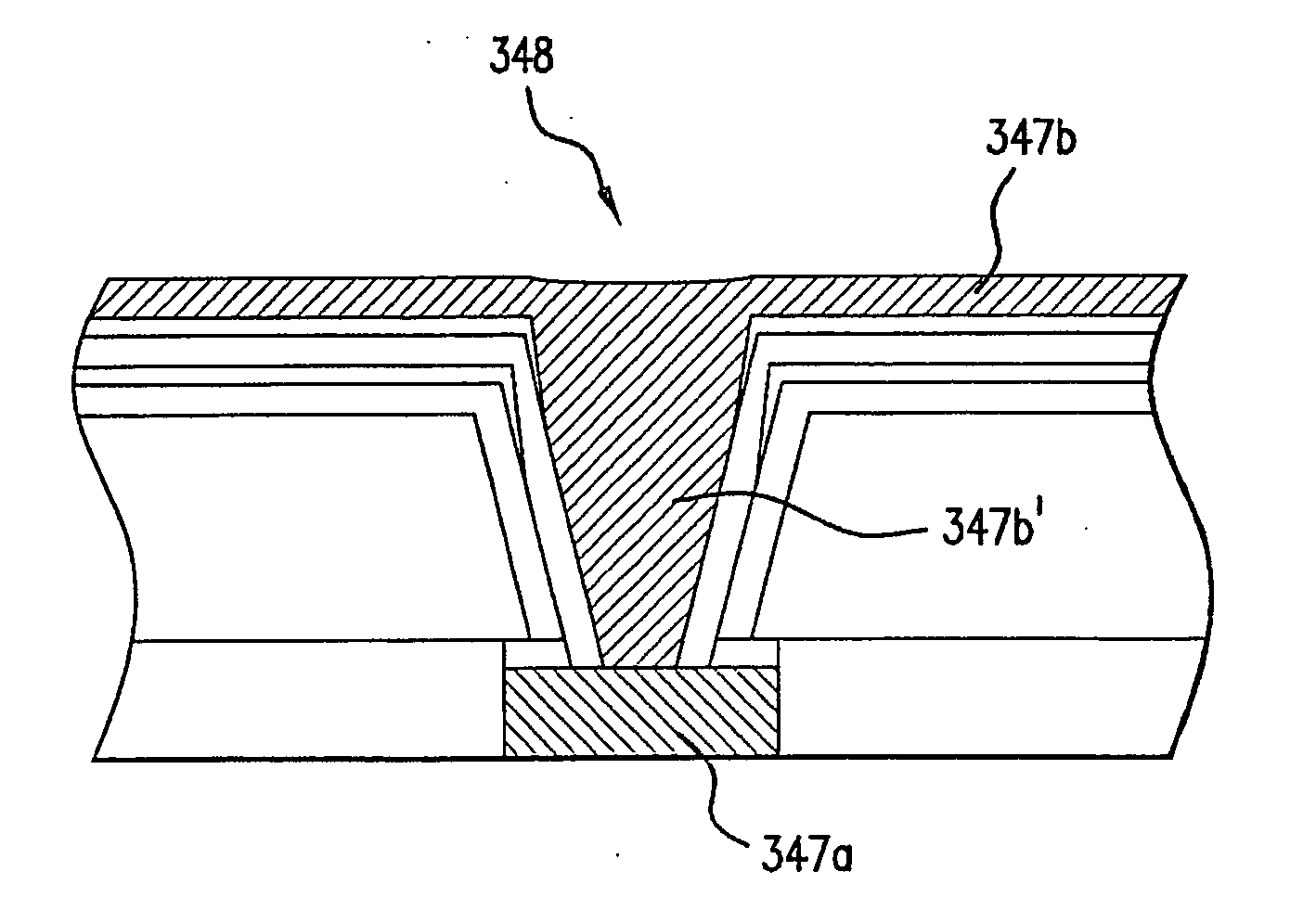
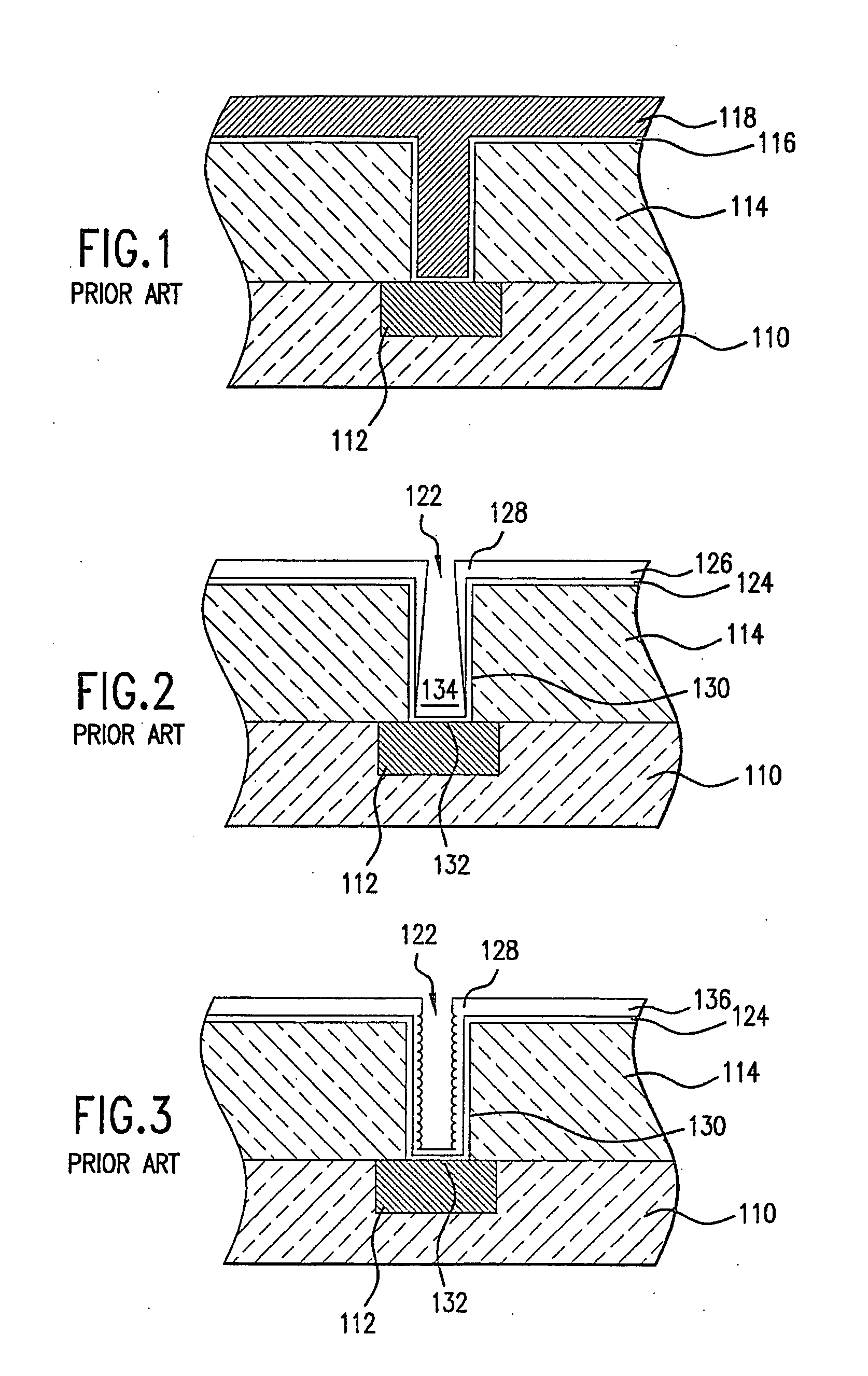
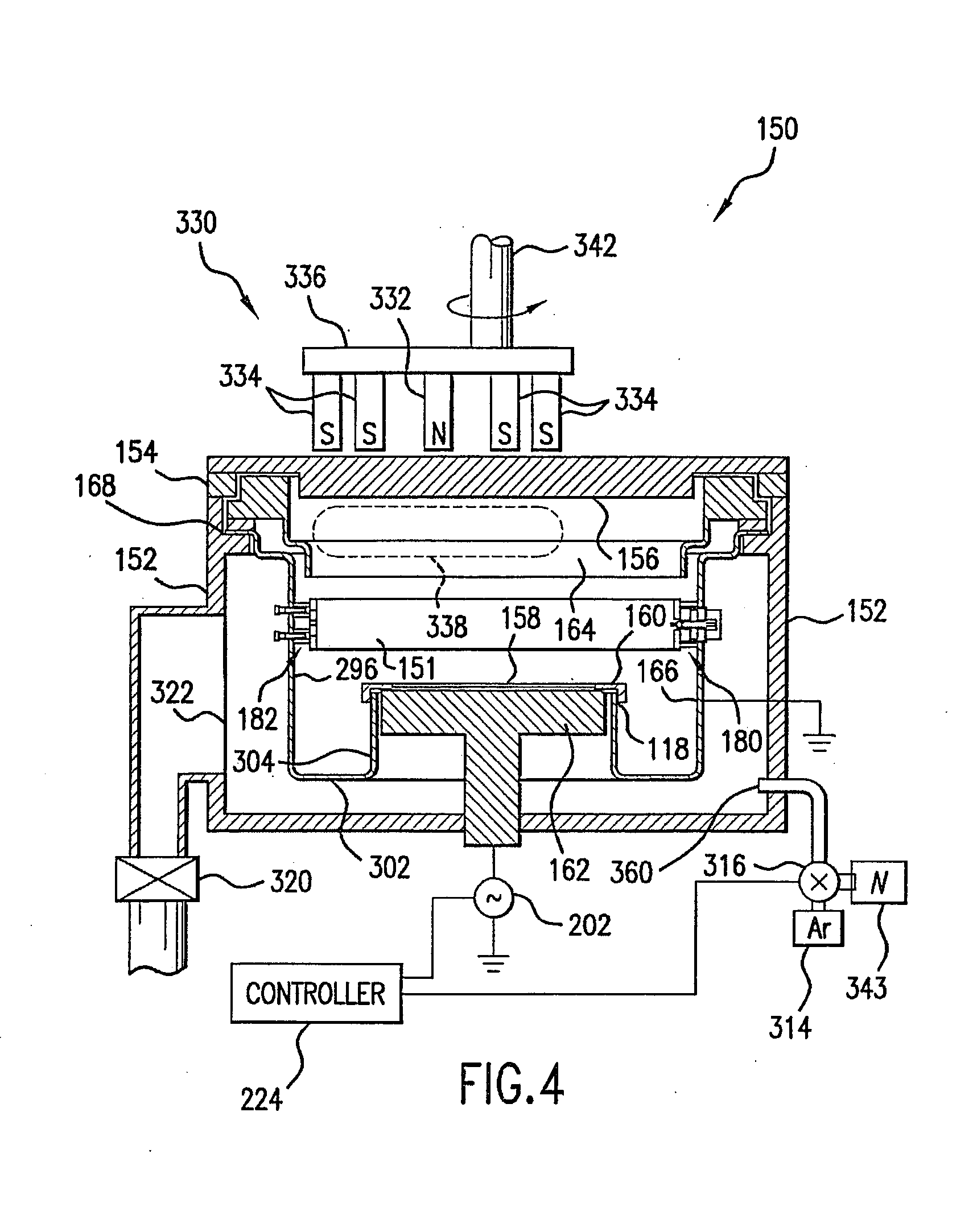
[0028] One embodiment of the present invention is directed to sputter depositing a liner material such as tantalum or tantalum nitride, by combining long-throw sputtering, self-ionized plasma (SIP) sputtering, inductively-coupled plasma (ICP) resputtering, and coil sputtering in one chamber. Long-throw sputtering is characterized by a relatively high ratio of the target-to-substrate distance and the substrate diameter. Long-throw SIP sputtering promotes deep hole coating of both the ionized and neutral deposition material components. ICP resputtering can reduce the thickness of layer bottom coverage of deep holes to reduce contact resistance. During ICP resputtering, ICP coil sputtering can deposit a protective layer, particularly on areas such as adjacent the hole openings where thinning by resputtering may not be desired.
[0029] Another embodiment of the present invention is directed to sputter depositing an interconnect material such as copper, by combining long-throw sputtering,...
PUM
| Property | Measurement | Unit |
|---|---|---|
| DC power | aaaaa | aaaaa |
| power | aaaaa | aaaaa |
| power | aaaaa | aaaaa |
Abstract
Description
Claims
Application Information
 Login to View More