
Steam foam methods for steam-assisted gravity drainage
a gravity drainage and foaming technology, applied in fluid removal, chemistry apparatus and processes, borehole/well accessories, etc., can solve the problems that the surfactant has not been used much in the sagd process, and achieve the effect of reducing the mobility of steam, increasing the “apparent viscosity” of steam, and more uniform developmen
- Summary
- Abstract
- Description
- Claims
- Application Information
AI Technical Summary
Benefits of technology
Problems solved by technology
Method used
Image

Examples
Embodiment Construction
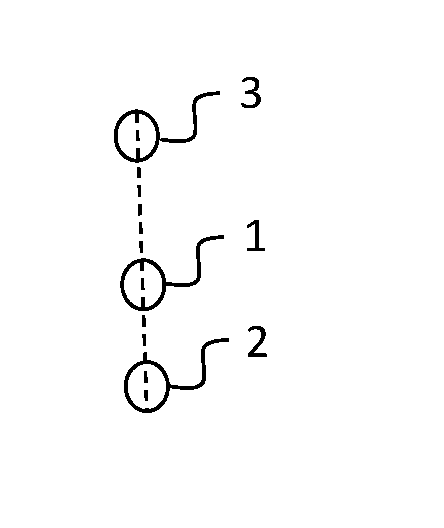
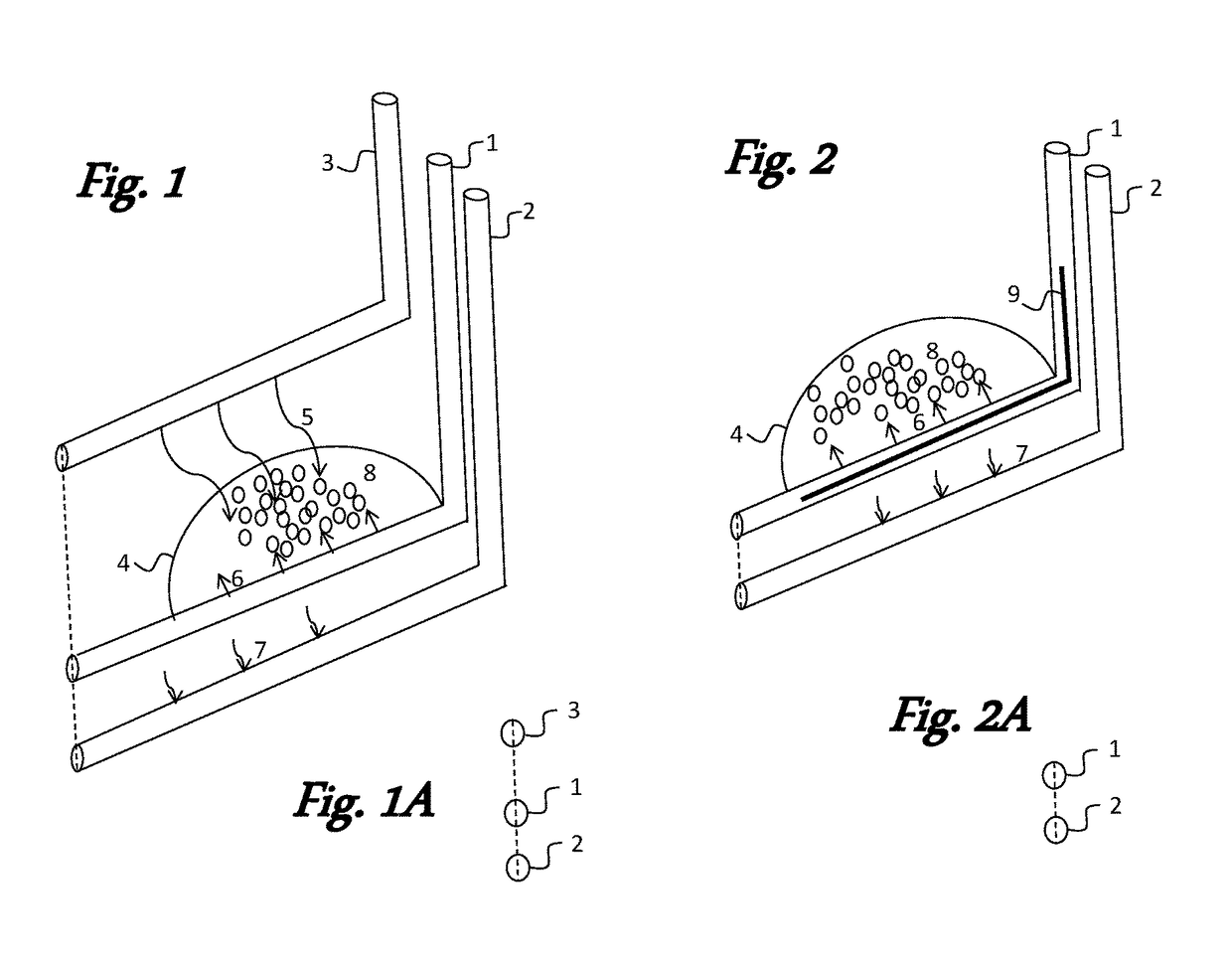
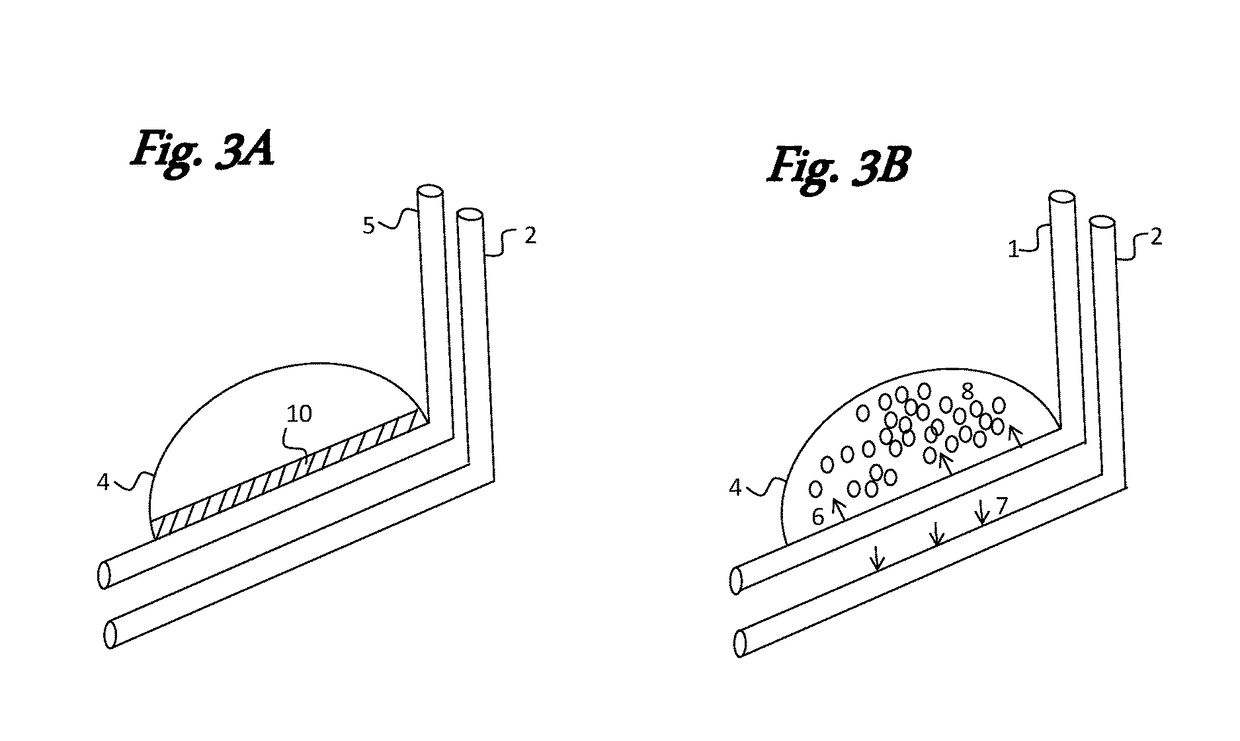
[0035]The invention relates to methods for making efficient use of steam in a steam-assisted gravity drainage (SAGD) process for recovering heavy oils from tar sands and similar petroleum deposits. The methods utilize a surfactant to generate steam foam in ways that maximize efficient use of steam. The predominant use of high-quality, relatively dry steam (i.e., steam that is 80 volume % or more in the gaseous state) in SAGD processes makes it challenging to find ways to introduce surfactants and generate steam foam. However, by decreasing the mobility of the steam by converting at least some of it to foam, steam chambers above the injection site can be more fully developed, and the available oil can be recovered with a minimum amount of steam usage.
[0036]“Steam-assisted gravity drainage” or “SAGD” refers to a process of using one or more pairs of substantially horizontal wells, with each pair relatively closely spaced. An injection well, in which steam is injected, resides above a ...
PUM
| Property | Measurement | Unit |
|---|---|---|
| temperatures | aaaaa | aaaaa |
| temperatures | aaaaa | aaaaa |
| temperatures | aaaaa | aaaaa |
Abstract
Description
Claims
Application Information
 Login to View More