
Combined steam and gas turbine engine with magnetic transmission
a gas turbine engine and magnetic transmission technology, which is applied in the direction of machines/engines, lighting and heating apparatus, etc., can solve the problems of limited specific power, limited operating pressure ratio, and limited thermal energy generation from fuel
- Summary
- Abstract
- Description
- Claims
- Application Information
AI Technical Summary
Benefits of technology
Problems solved by technology
Method used
Image

Examples
first embodiment
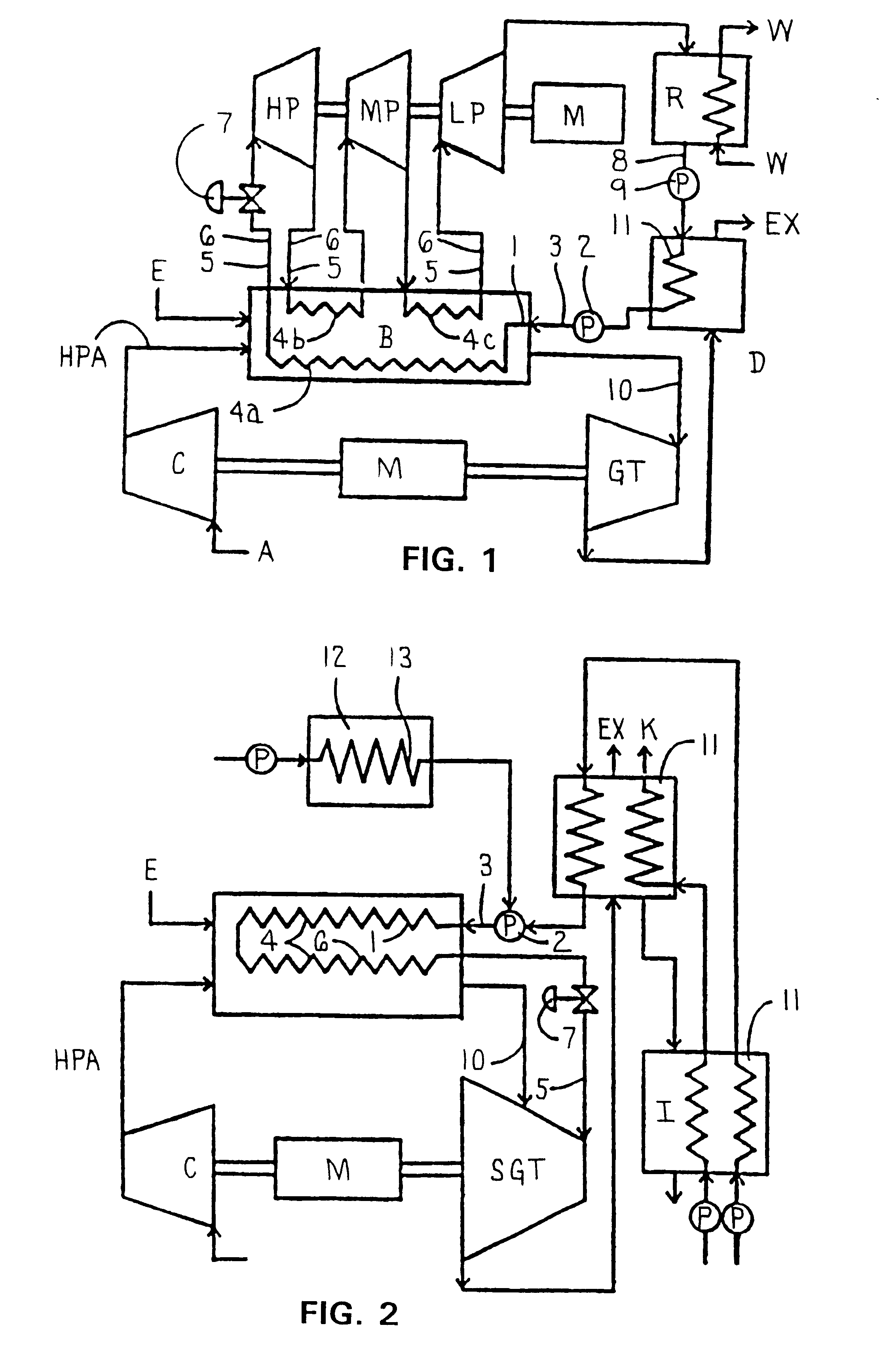
FIG. 1 shows a schematic diagram of the invention for explaining a principle of this invention.
In FIG. 1, the system comprises a compressor, a long dimension combustion chamber in which high pressure combustion takes place, a gas turbine, steam turbines, and a power generator.
The thermal efficiency of the gas turbine is dependent on the operating temperature, however, there exists a limit to the operating temperature due to the system being destroyed due to the materials of the system failing.
To operate the system at its maximum thermal efficiency, the specific pressure must be raised, the velocity of the combustion gas must be at a high speed, and the combustion gas mass flow becomes larger, so the system is arranged as follows.
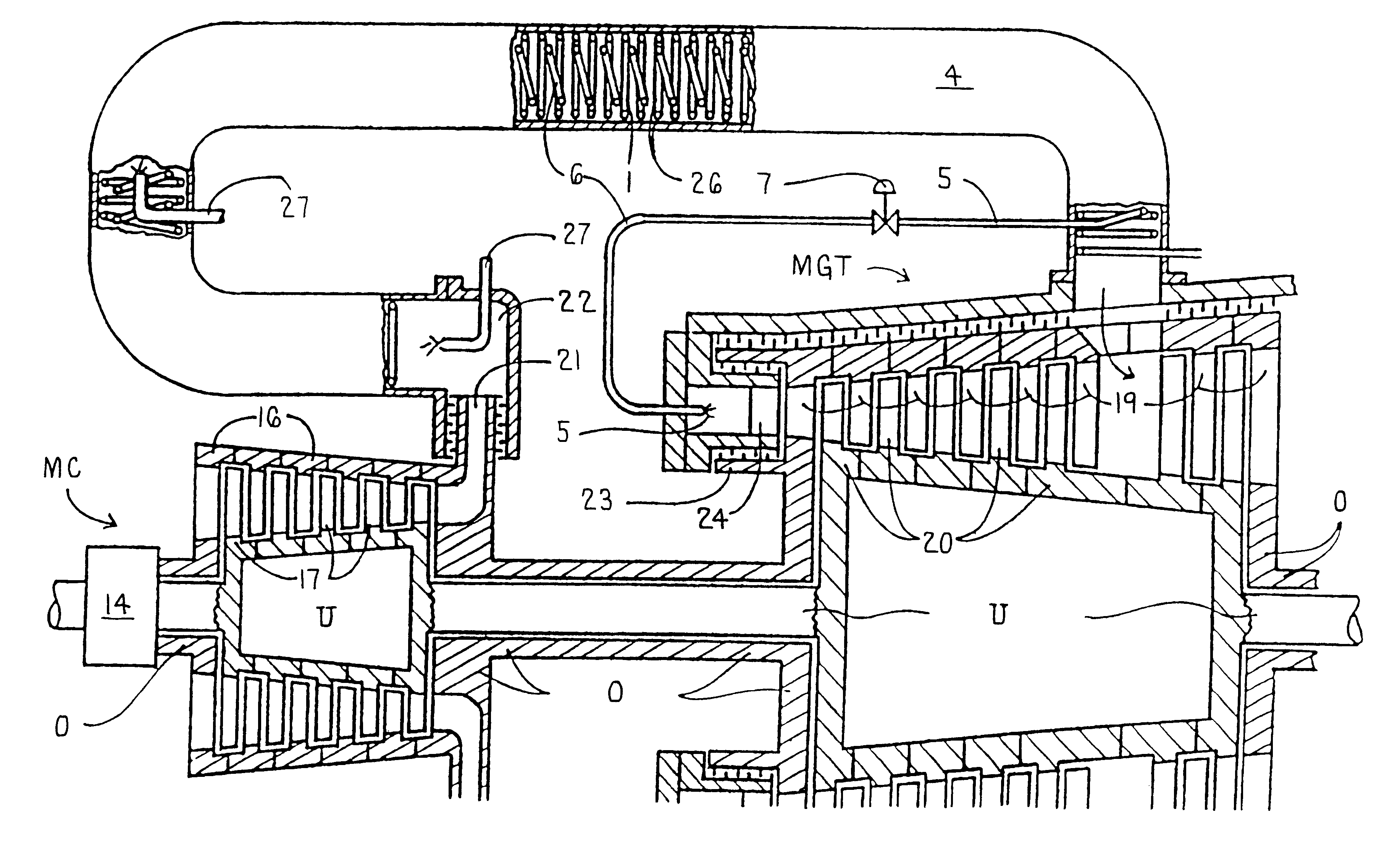
A water pipe 1 is helically welded around a combustion chamber B and the combustion chamber becomes a heat exchanger 4a that has a long dimension and high pressure combustion condition. Internal steam pipes 6,6 are also arranged helically in which the pressu...
third embodiment
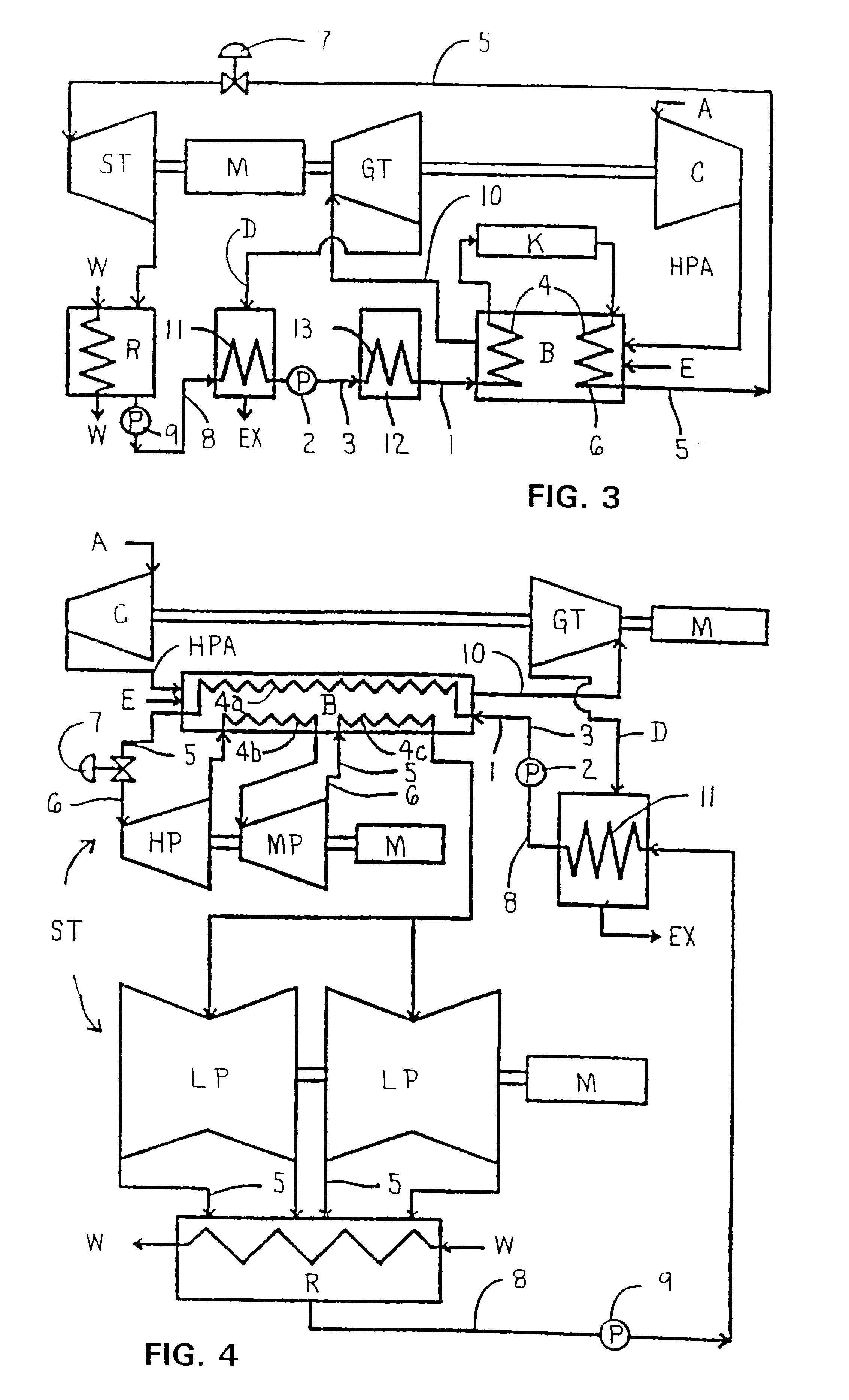
FIG. 3 shows this invention in which a mono-axle combined steam and gas turbine engine will be explained.
second embodiment
The difference between the second embodiment is that the steam turbine and the gas turbine are arranged independently and a waste combustion furnace 13 is disposed after the heat recovery heat exchanger 11.
Since the system is provided with a combustion chamber-heat exchanger 4, the combustion gas mass flow of the system is increased by four times as much as the conventional gas turbine system and the specific power of the gas turbine engine is increased. Further, the operation pressure ratio of the gas turbine engine is increased, but does not exceed the durability temperature of the system, and the thermal efficiency of the gas turbine cycle and the steam turbine cycle is considerably increased.
Since the specific power and the thermal efficiency are dependent on the operation pressure ratio, and the operation pressure ratio is increased by the use of the combustion chamber-heat exchanger 4, the thermal efficiency of both the gas turbine engine and the steam turbine engine increase....
PUM
 Login to View More
 Abstract
Description
Claims
Application Information
 Login to View More