Method of forming a via hole through a glass wafer

US7084073B2Active Publication Date: 2006-08-01SAMSUNG ELECTRONICS CO LTD
9 Cites 79 Cited by

Patent Information

Authority / Receiving Office
US · United States
Current Assignee / Owner
Publication Date
2006-08-01

Smart Images

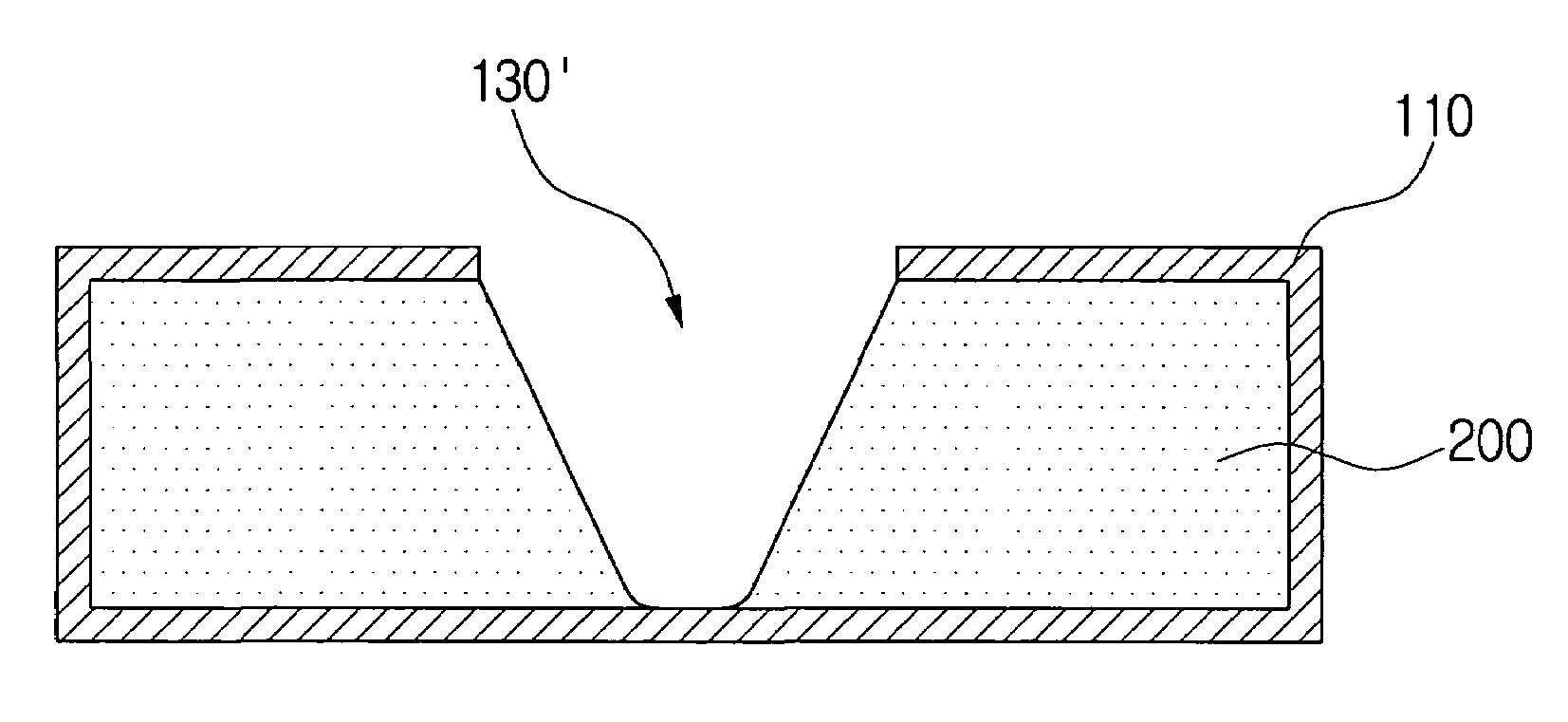
  • Figure 1
    Figure 1
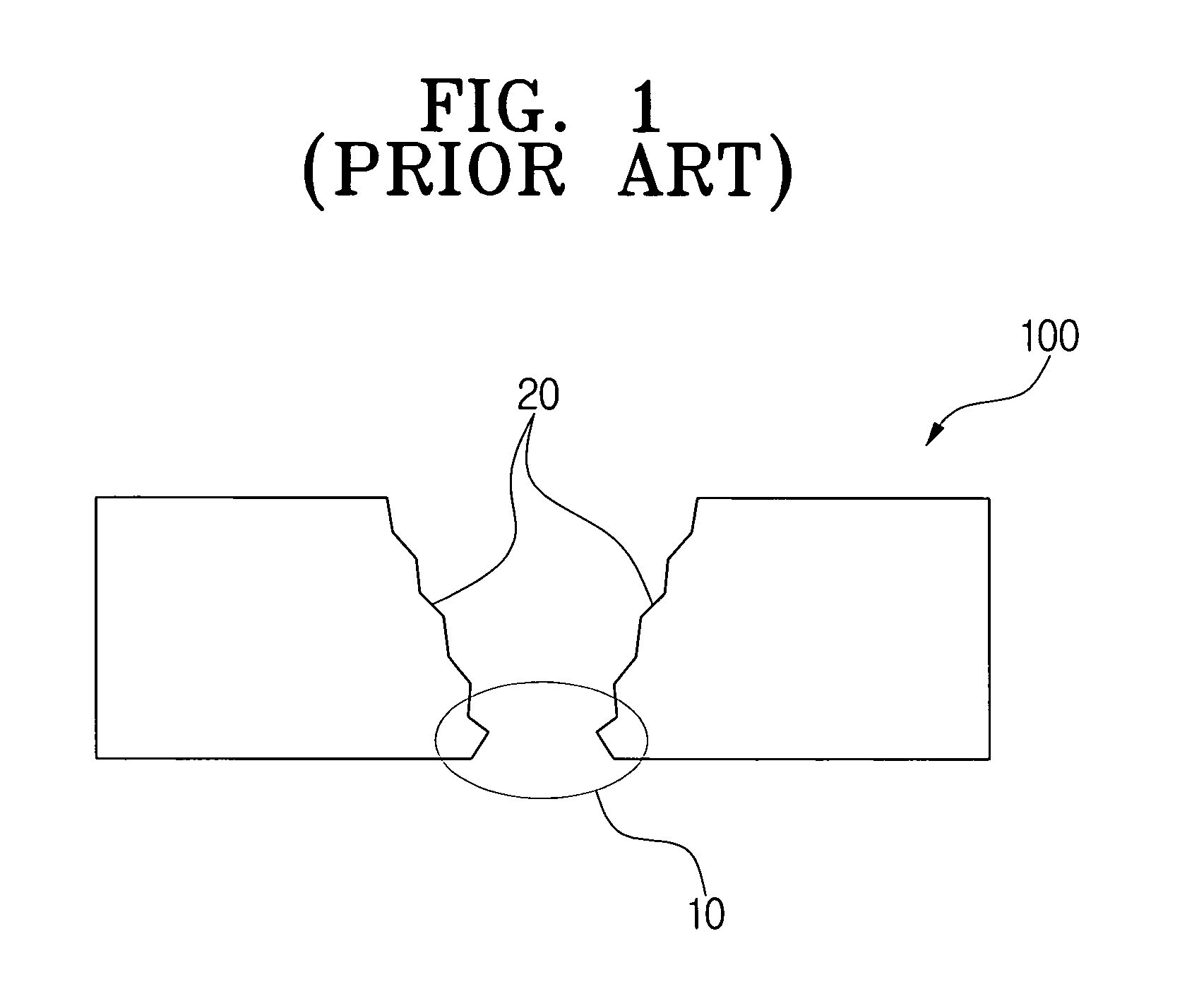
  • Figure 2
    Figure 2
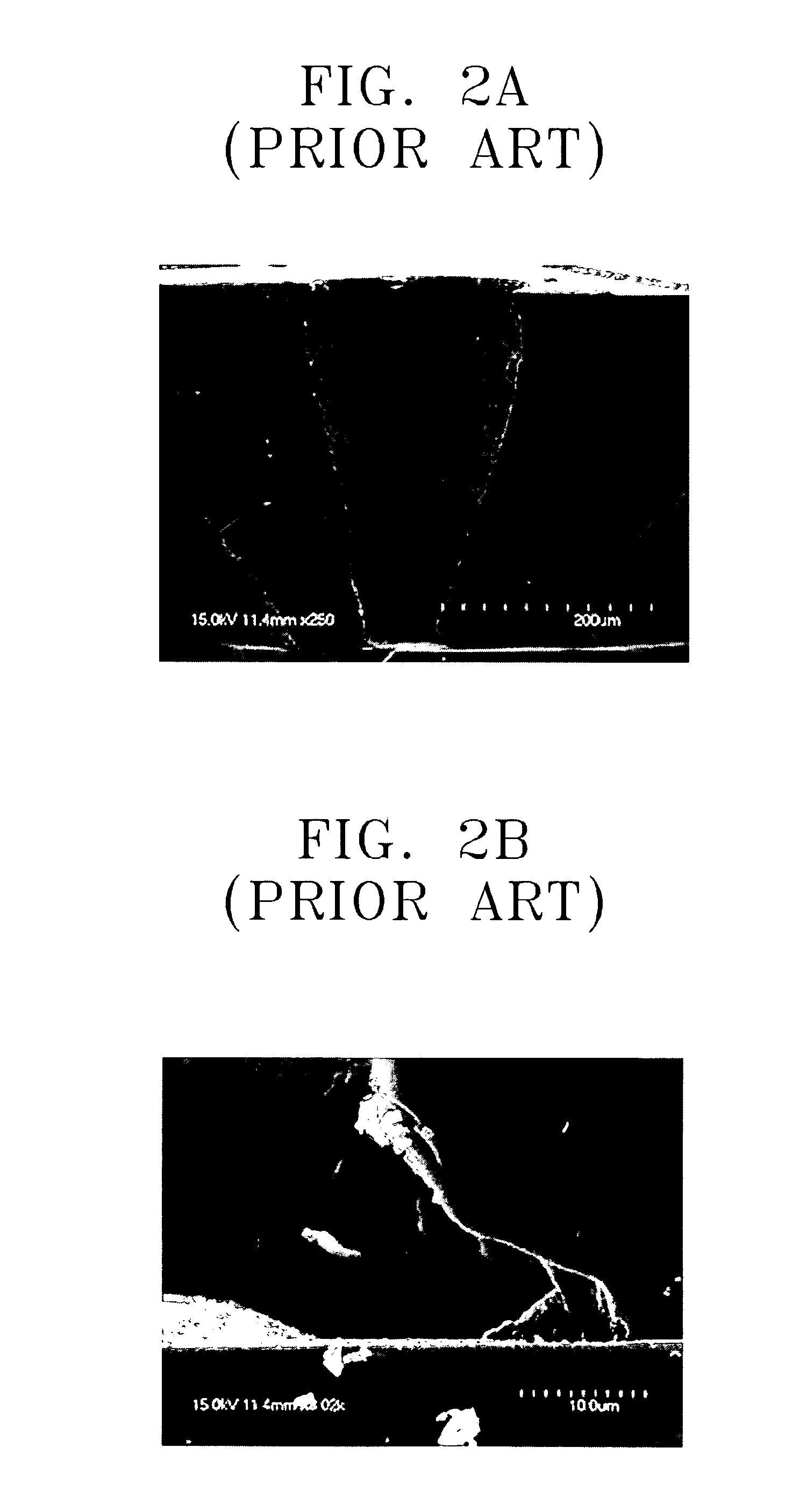
  • Figure 3
    Figure 3
Patent Text Reader

Abstract

A method of forming a via hole through a glass wafer includes depositing a material layer on an outer surface of the glass wafer, the material layer having a selection ratio higher than that of the glass wafer, forming a via-patterned portion on one side of the material layer, performing a first etching in which the via-patterned portion is etched to form a preliminary via hole, eliminating any remaining patterning material used in the formation of the via-patterned portion, performing a second etching in which the preliminary via hole is etched to form a via hole having a smooth surface and extending through the glass wafer, and eliminating the material layer. The method according to the present invention is able to form a via hole through a glass wafer without allowing formation of an undercut or minute cracks, thereby increasing the yield and reliability of MEMS elements.
Need to check novelty before this filing date? Find Prior Art

Description

BACKGROUND OF THE INVENTION

[0001] 1. Field of the Invention

[0002] The present invention relates to a method of forming a via hole through a glass wafer. More particularly, the present invention relates to a method of forming a via hole through a glass wafer without producing an undercut.

[0003] 2. Description of the Related Art

[0004] It is generally known in the art that a via hole (or simply a “via”) necessarily should be formed in a wafer level of a micro-electromechanical system (MEMS) packaging utilizing glass to permit the electrical processing of elements in the MEMS. In a conventional method of forming a via hole in a wafer level, however, since the via hole is formed by sandblasting after being patterned on a surface of the glass wafer, it is problematic in that the formed via hole may have an undercut portion and a rough surface. This undercut problem is especially pronounced in the formation of a via hole having a small diameter. In this case, not only is it difficult to etch t...

Examples

Embodiment Construction

[0020]Korean Patent Application No. 2002-70121, filed on Nov. 12, 2002, and entitled: “Method of Forming a Via Hole Through a Glass Wafer,” is incorporated by reference herein in its entirety.

[0021]The present invention will now be described more fully hereinafter with reference to the accompanying drawings, in which a preferred embodiment of the invention is shown. The invention may, however, be embodied in different forms and should not be construed as limited to the embodiments set forth herein. Rather, these embodiments are provided so that this disclosure will be thorough and complete, and will fully convey the scope of the invention to those skilled in the art. In the drawings, the thickness of layers and regions are exaggerated for clarity. It will also be understood that when a layer is referred to as being “on” another layer or substrate, it can be directly on the other layer or substrate, or intervening layers may also be present. Like numbers refer to like elements throug...