Vibration-based NVH control during idle operation of an automobile powertrain

US7174879B1Active Publication Date: 2007-02-13FORD GLOBAL TECH LLC
9 Cites 41 Cited by

Patent Information

Authority / Receiving Office
US · United States
Current Assignee / Owner
Publication Date
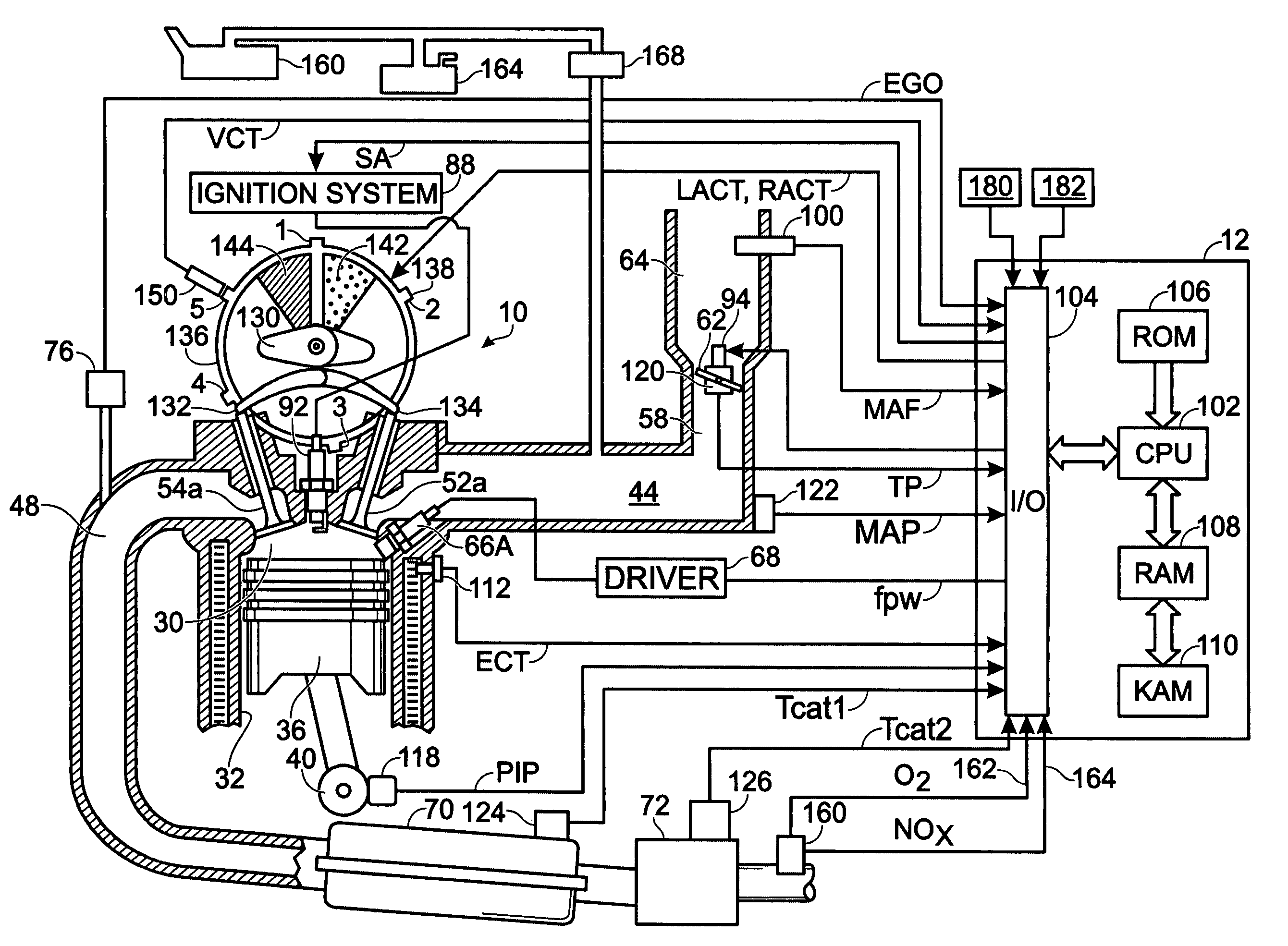
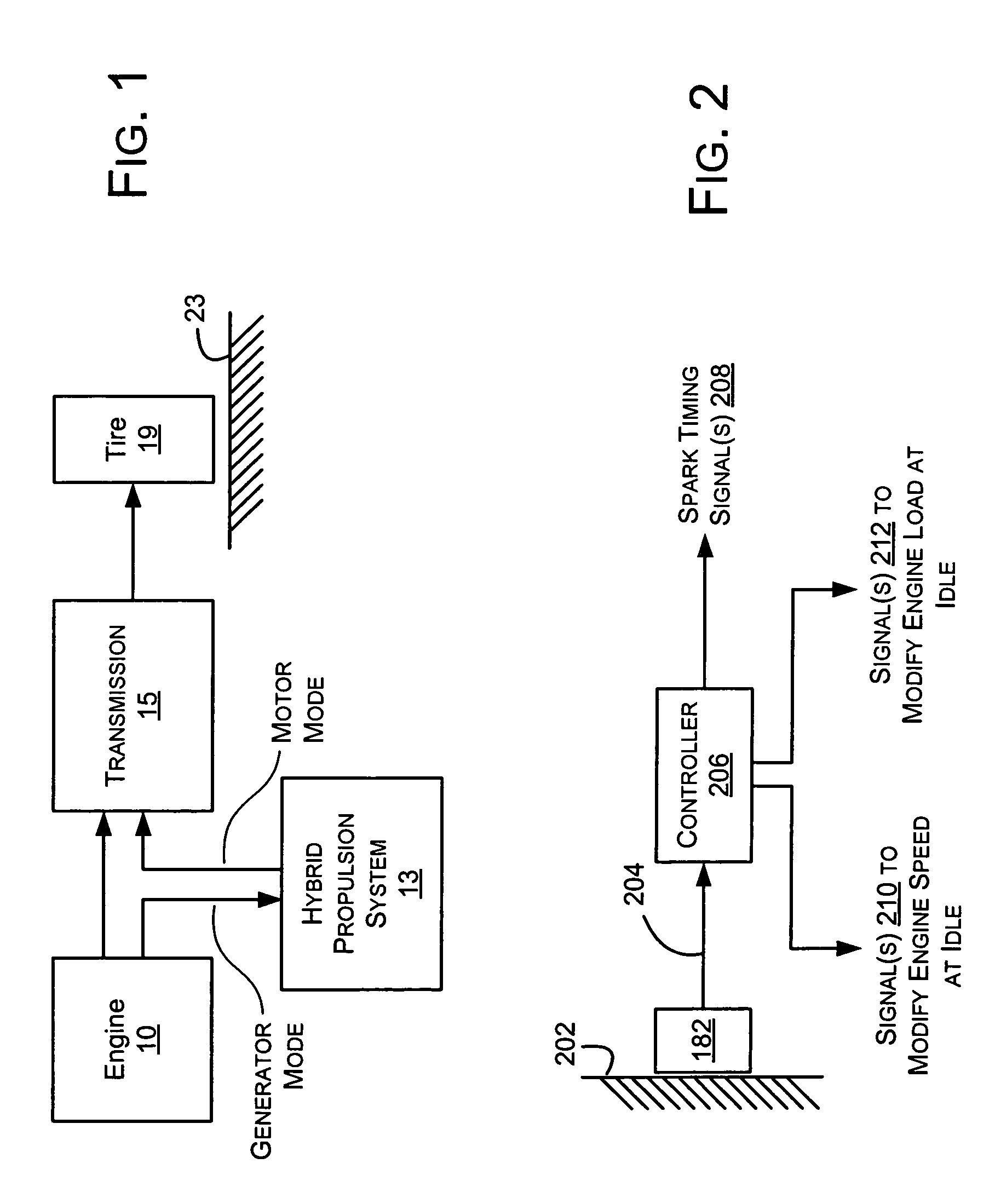
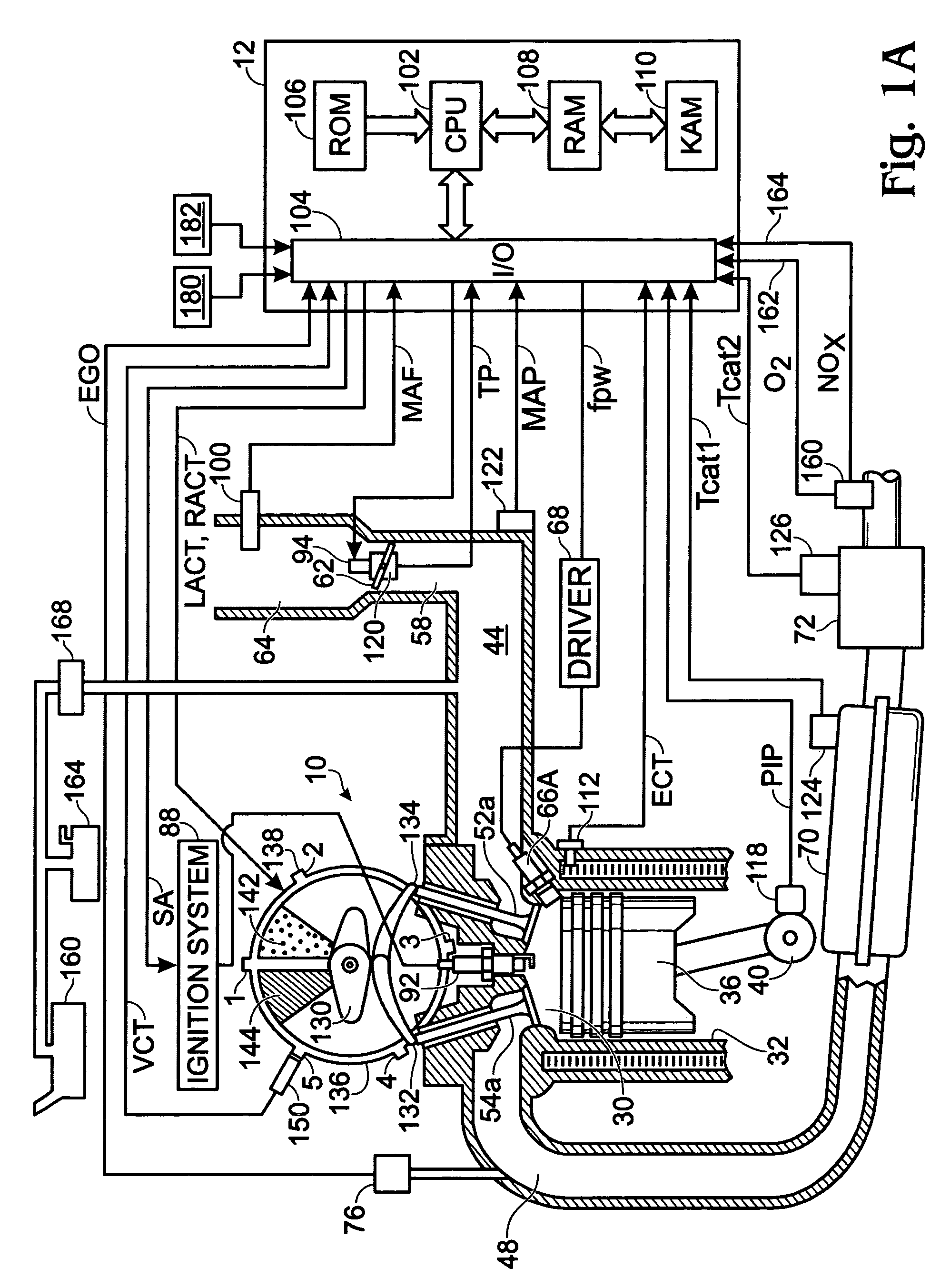
2007-02-13

Smart Images

  • Figure 1
    Figure 1
  • Figure 2
    Figure 2
  • Figure 3
    Figure 3
Patent Text Reader

Abstract

A system and method of operating a vehicle powertrain that employs active control to reduce NVH, particularly during idle. The method includes selectively operating the powertrain in at least a non-idle condition and an idle condition; receiving vibration signals from a sensor disposed on an internal combustion engine; controlling spark timing of the internal combustion engine based on vibration signals received from the sensor; and during the idle condition, modifying a speed and / or a load of the internal combustion engine based on vibration signals received from the sensor.
Need to check novelty before this filing date? Find Prior Art

Description

BACKGROUND AND SUMMARY

[0001] Noise, vibration and harshness (NVH) during operation of an automobile can greatly affect customer satisfaction with the vehicle. Accordingly, NVH considerations are now commonly taken into consideration during design and manufacture of automobiles. NVH results from vibration of various parts of the automobile, such as the engine (and engine mounts), body panels, chassis, exhaust piping, etc. The vibration can produce undesirable noise in the passenger compartment, and can be transmitted through components such as the seats, steering wheel, etc. to vehicle occupants. NVH can be particularly noticeable during idle.

[0002] One proposed solution to controlling NVH during idle involves consideration of certain natural frequencies of the vehicle. Through testing or other methods, natural frequencies are determined for various components of the vehicle. The control systems of the vehicle that govern idle engine speed are then designed taking the natural frequenci...

Examples

Embodiment Construction

[0008]Referring to FIG. 1, internal combustion engine 10, further described herein with particular reference to FIGS. 1A and 1B, is shown coupled to transmission 15. Typically, the engine is coupled to a torque converter via a crankshaft (not shown), and the torque converter in turn is coupled to transmission 15 via a turbine shaft (not shown) or other mechanical connection providing an input shaft to the transmission. The torque converter has a bypass, or lock-up clutch (not shown) which can be engaged, disengaged, or partially engaged. When the clutch is either disengaged or partially engaged, the torque converter is said to be in an unlocked state. The lock-up clutch can be actuated electrically, hydraulically, or electro-hydraulically, for example. The lock-up clutch receives a control signal from the controller, described in more detail below. The control signal may be a pulse width modulated signal to engage, partially engage, and disengage, the clutch based on engine, vehicle...