
Immuno-modulating effects of chemokines in DNA vaccination
a technology of immunomodulating effects and chemokines, which is applied in the direction of viruses/bacteriophages, antibody medical ingredients, peptide/protein ingredients, etc., can solve the problems of inability to induce active infection, protein immunization is not very effective in inducing cell-mediated immunity, and the efficacy of protein immunization is limited. , to achieve the effect of greater persisten
- Summary
- Abstract
- Description
- Claims
- Application Information
AI Technical Summary
Benefits of technology
Problems solved by technology
Method used
Image

Examples
examples
[0156]The following empirical work was performed in support of the application:
Plasmids (recombinant), Proteins and Immunization Regimen
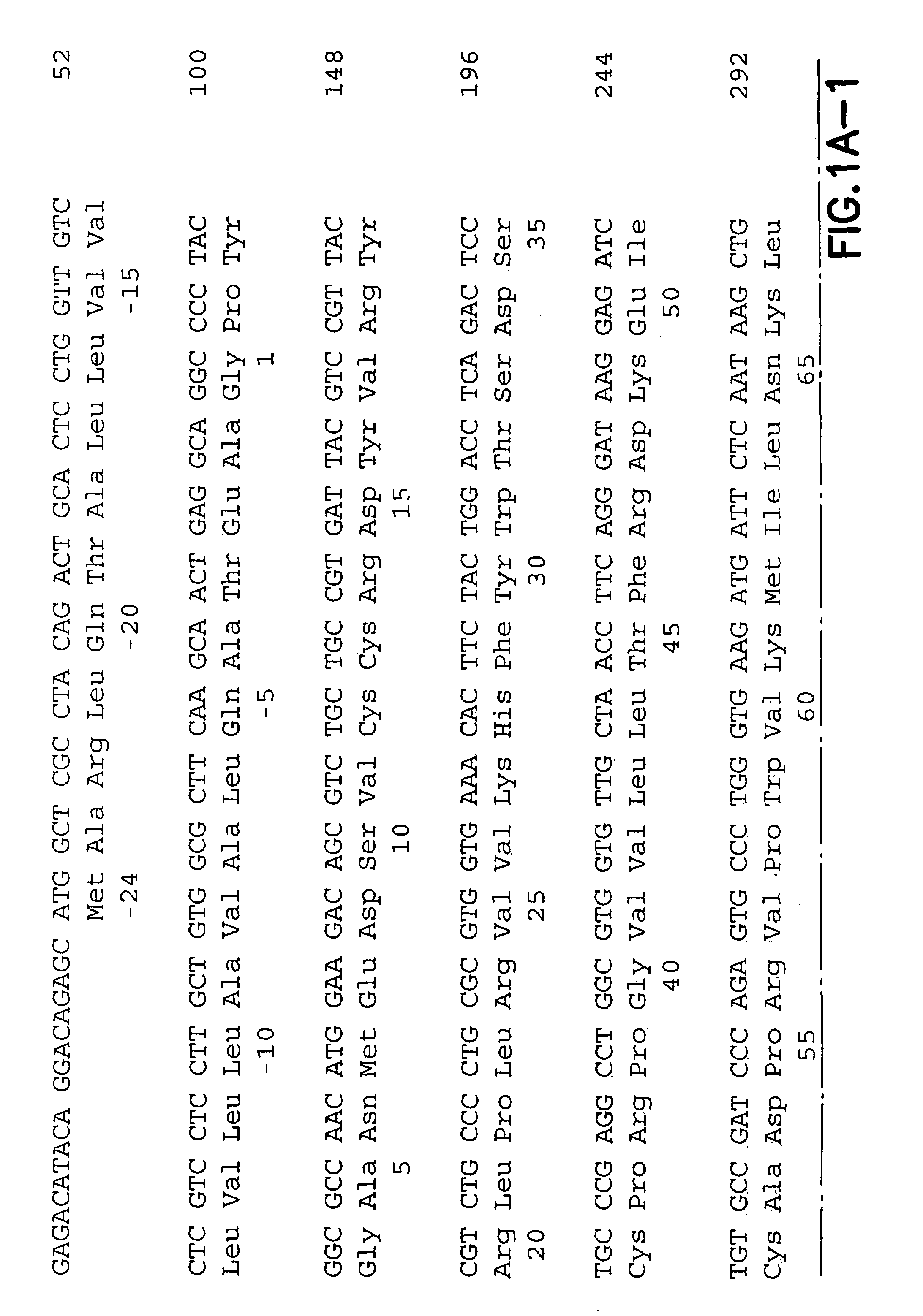
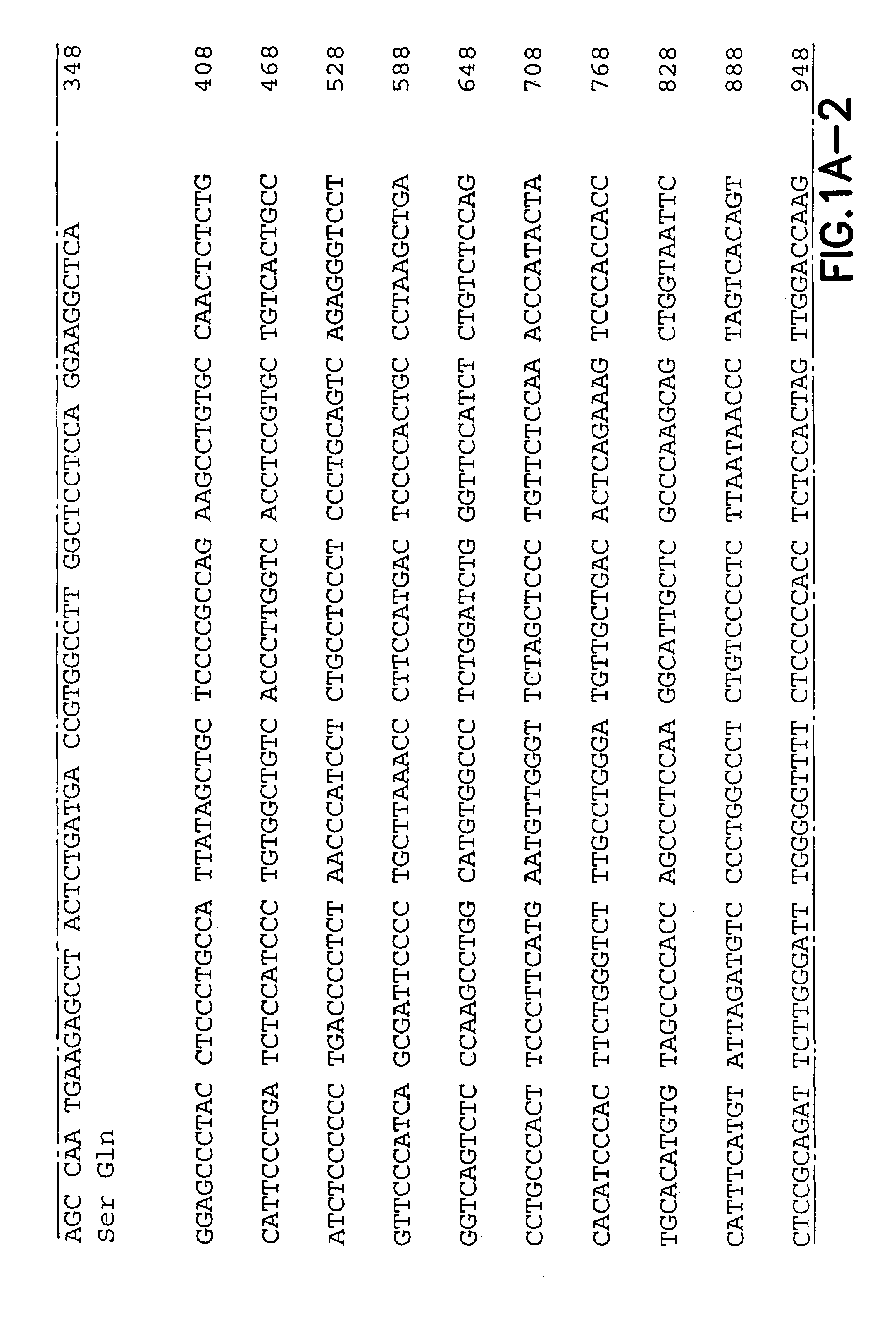
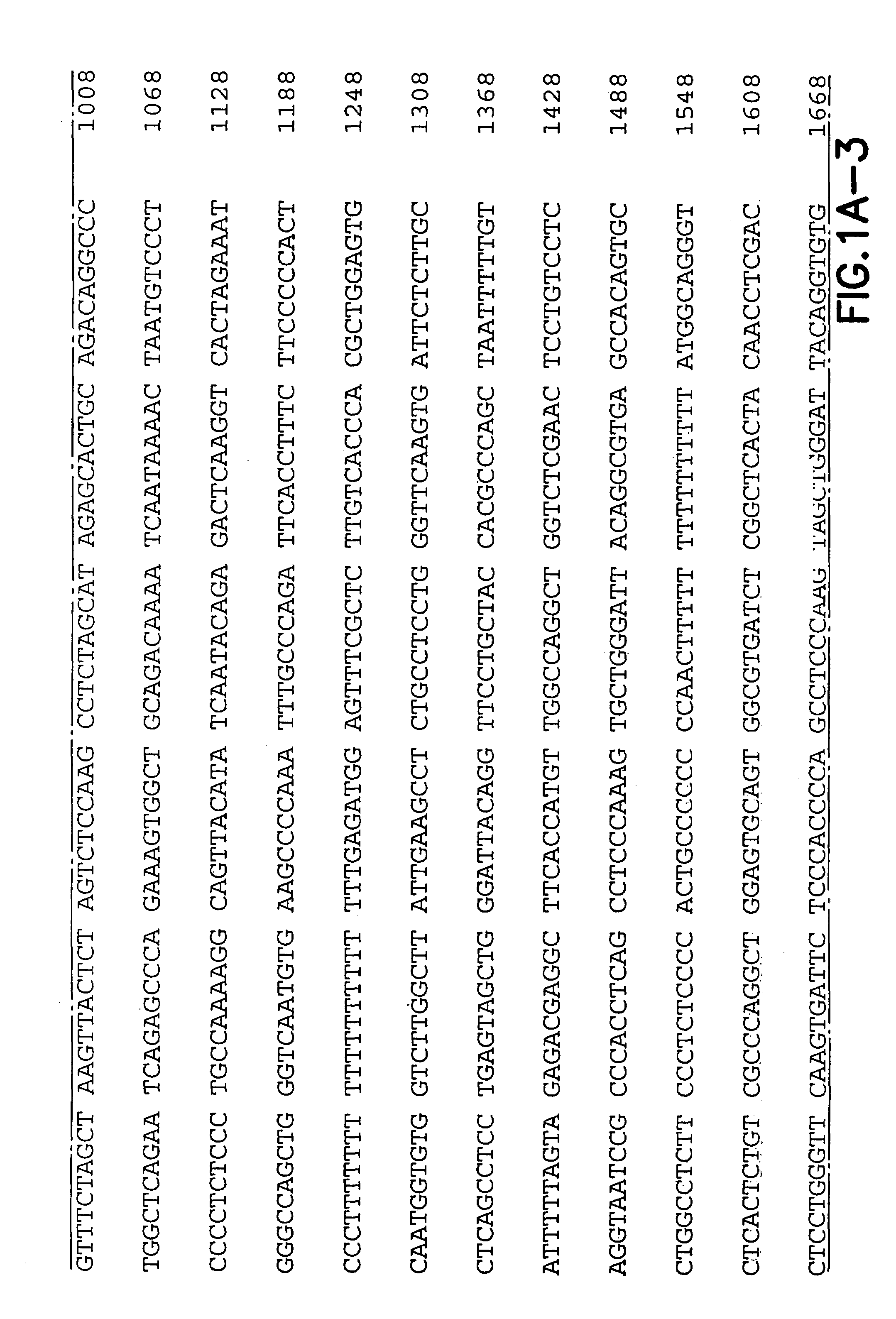
[0157]The murine chemokines RANTES, MCP-1, MDC and BLC were cloned into the pcDNA3 expression vector (Invitrogen, Inc., San Diego, Calif.) driven by a CMV promoter (see miscellaneous). Plasmids for injection were produced in E. coli strain DH5cc and prepared by EndoFree Giga kit (Qiagen, Santa Clara, Calif.). The preparation was followed by sodium acetate precipitation until an endotoxin level of 0.5 EU / ml, detected by limulus amoebocyte lysate assay (BioWhittaker, Walkersville, Md.).
[0158]For the DNA vaccinations, 6-8 weeks old female Balb / c mice (Charles River Laboratories, Wilmington, Mass.) were injected intramuscularly (i.m.) into each quadricep (tibialis anterior 30 muscle). Mice are anesthetized prior to each injection with 1 μl / g of a mix of 1:1 Ketamine and Xylazine to which is added 0.015 mg / ml of Butorphenol. Four mice per group were inje...
PUM
| Property | Measurement | Unit |
|---|---|---|
| volume | aaaaa | aaaaa |
| total volume | aaaaa | aaaaa |
| concentration | aaaaa | aaaaa |
Abstract
Description
Claims
Application Information
 Login to View More