
Derivative of highly active tetra cyclic anthroquinones antibiotics and preparation and application thereof
A technology of anti-cancer drugs and compounds, applied in the preparation of sugar derivatives, sugar derivatives, sugar derivatives, etc., can solve the problems of AN-201's high toxicity and no observed anti-tumor activity
- Summary
- Abstract
- Description
- Claims
- Application Information
AI Technical Summary
Problems solved by technology
Method used
Image

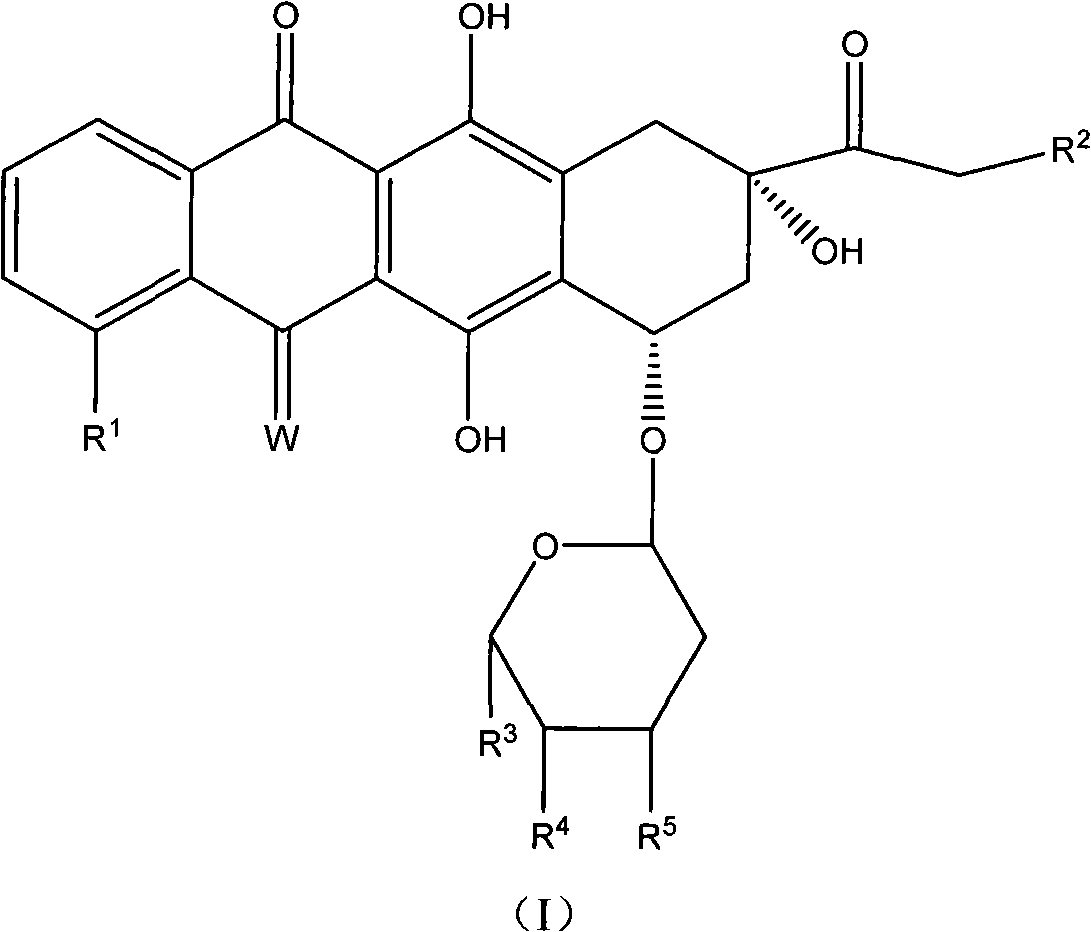
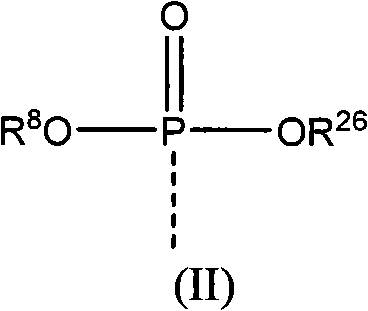
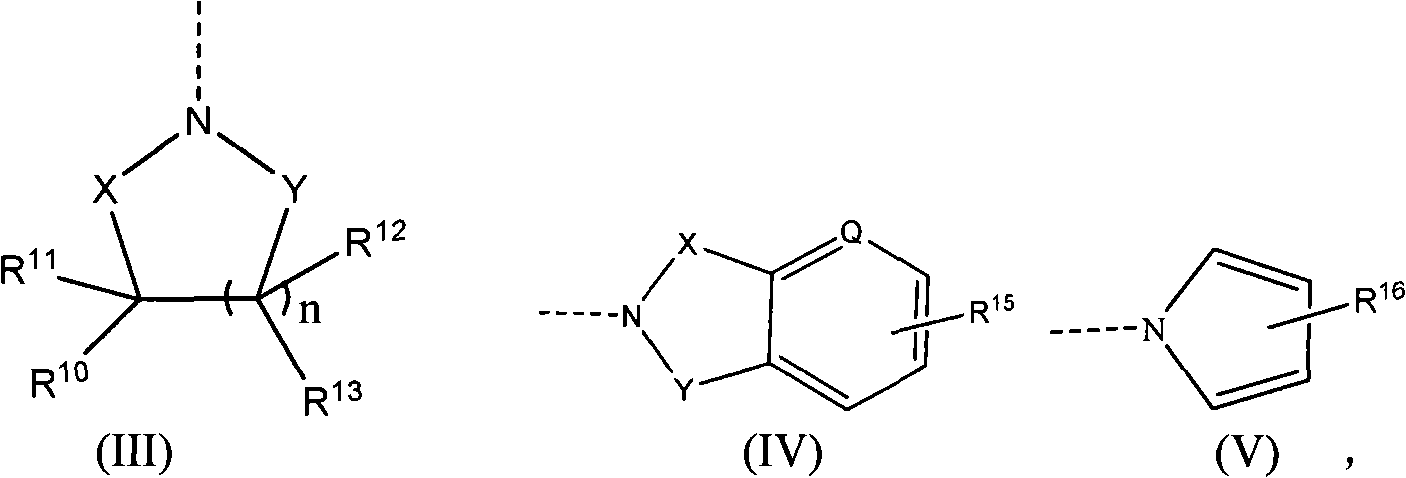
Examples
Embodiment 1、3
[0078] Embodiment 1,3'-pyrrolyl doxorubicin
[0079] Add 3.076g of doxorubicin (Doxorubicin) hydrochloride into a 1L three-necked flask, add 300ml of distilled water, 300ml of 1,2-dichloroethane, 30ml of 2,5-dimethoxytetrahydrofuran and 6ml of glacial acetic acid. Under the protection of argon, it was heated to reflux for 45 minutes, and the reaction was completed. The reaction solution was cooled to room temperature, poured into 200 ml of ice water, and allowed to stand for liquid separation. The organic phase was washed once with 200ml of saturated brine, dried over anhydrous magnesium sulfate, filtered and spin-dried; the aqueous phase was stirred in an ice bath by adding 100ml of 5% aqueous sodium bicarbonate solution, extracted with chloroform (50ml×3), combined the chloroform layers, and the chloroform layers Wash once with 100 ml of saturated brine, filter and spin off the solvent, combine the obtained crude product with the above obtained crude product, and purify by ...
Embodiment 2
[0081] Example 2, 3'-pyrrolyl-5-Iminodaunomycin, MS: 576 (M-1).
Embodiment 3
[0082] Example 3, 3'-pyrrolyl-Idarubicin, MS: 547 (M-1).
PUM
 Login to View More
 Abstract
Description
Claims
Application Information
 Login to View More