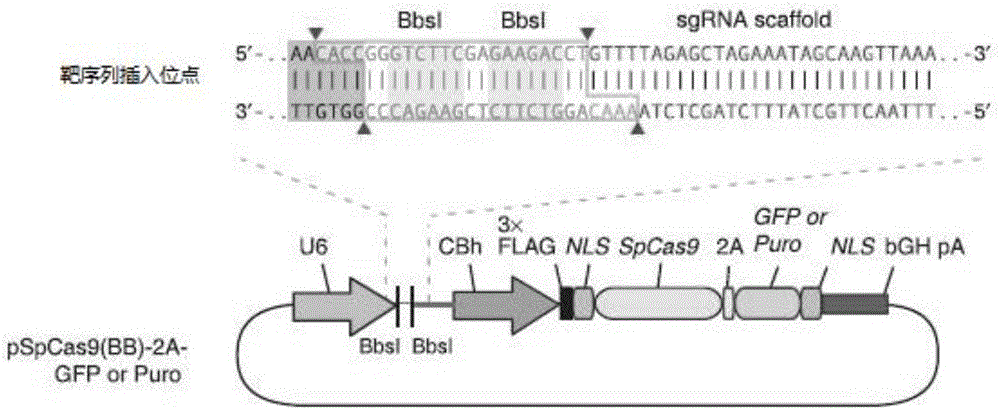
sgRNA sequence for knocking out human CYP2E1, construction method of deficiency cell strain of CYP2E1 and application thereof

A technology of gene deletion and construction method, applied in the field of genetic engineering, can solve problems such as inability to gene, incomplete gene expression silencing, and inability to construct CYP2E1 gene-deficient cell lines, etc., to achieve silencing, improve incomplete silencing or inability to silence The effect of gene expression

CN106191057AActive Publication Date: 2016-12-07SUN YAT SEN UNIV
4 Cites 33 Cited by

Patent Information

Authority / Receiving Office
CN · China
Current Assignee / Owner
Publication Date
2016-12-07

Smart Images

  • Figure 1
    Figure 1
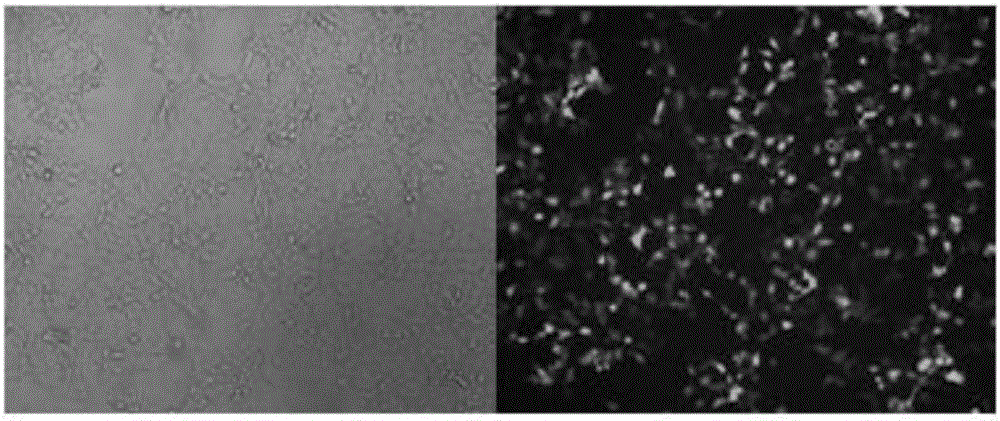
  • Figure 2
    Figure 2
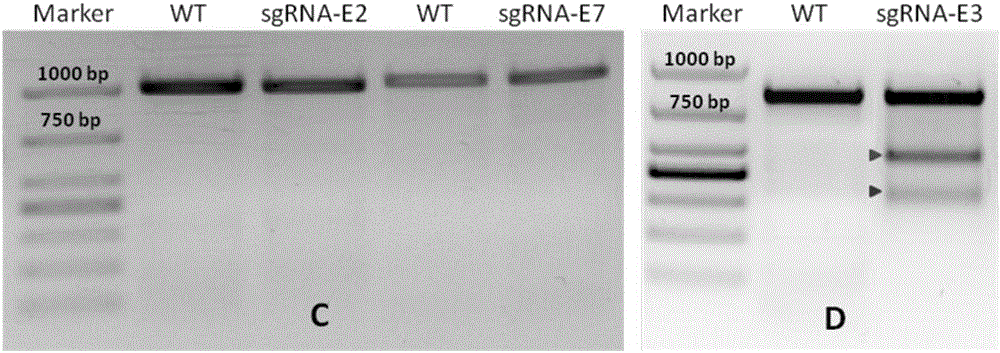
  • Figure 3
    Figure 3
Patent Text Reader

Abstract

The present invention provides an sgRNA sequence for knocking out the human CYP2E1 gene. The target DNA sequence of the sgRNA is at least one of the sequences shown in SEQ ID NO: 1 and SEQ ID NO: 2. The present invention also provides a method for knocking out CYP2E1 gene of human embryonic kidney cells, which is adapted to transform CYP2E1 gene in human embryonic kidney cells by using CRISPR / Cas system. The invention also provides a CYP2E1 knockout cell strain. CYP2E1 involves in the important metabolism function of a human body. The CYP2E1 gene knock-out cell strain provided by the invention provides an effective platform for studying the metabolism function of exogenous chemical or exogenous poison in the body, and a powerful tool for studying chronic diseases (such as alcoholic liver disease and diabetes) and tumor-related diseases.
Need to check novelty before this filing date? Find Prior Art

Description

technical field

[0001] The invention relates to the field of genetic engineering, in particular to a gRNA sequence for knocking out the human CYP2E1 gene, a method for constructing a CYP2E1 gene-deficient cell line and its application. Background technique

[0002] CYP2E1 is one of the very important members of the cytochrome P450 family. The CYP2E1 gene is located on chromosome 10, has 11413bp, contains 9 exons and 8 introns, and encodes a protein containing 493 amino acids. CYP2E1 mainly exists in the endoplasmic reticulum and mitochondria of liver and kidney cells, and is mainly involved in the in vivo metabolism and biotransformation of foreign chemicals, and also participates in the body's oxidative stress, lipid peroxidation, apoptosis and autophagy, and inflammation Reactions and other processes will cause damage and toxicity to the body. Therefore, there is an urgent need to construct a CYP2E1 gene-deficient human embryonic kidney cell line for CYP2E1-related drug a...

Examples

Embodiment Construction

[0029] The following description is a preferred embodiment of the present invention, it should be pointed out that for those skilled in the art, without departing from the principle of the present invention, some improvements and modifications can also be made, and these improvements and modifications are also considered Be the protection scope of the present invention.

[0030] Unless otherwise specified in the examples of the present invention, all reagents and consumables used are commercially available.

[0031] The technical solution of the present invention can be realized through the following embodiments:

[0032] (1) sgRNA design:

[0033] The sgRNA sequences were designed for the second, third and seventh exons (Exon2, Exon3, Exon7) of CYP2E1, respectively.

[0034] The specific grouping and naming of the three groups of designed and synthesized sgRNA sequences targeting the second, third and seventh exons of CYP2E1 are shown in Table 1:

[0035] Table 1 CYP2E1 sg...