Method for nondestructive testing of source rock water content based on magnetic resonance imaging

A nuclear magnetic resonance and source rock technology, which is applied in the analysis by nuclear magnetic resonance, material analysis through resonance, and measurement devices, etc., can solve problems such as large water content, volatilization of organic components, errors, etc. Accurate test results without damaging the sample

CN107655922AActive Publication Date: 2018-02-02PETROCHINA CO LTD
6 Cites 6 Cited by

Patent Information

Authority / Receiving Office
CN · China
Patent Type
Applications(China)
Current Assignee / Owner
Publication Date
2018-02-02

Smart Images

  • Figure 1
    Figure 1
  • Figure 2
    Figure 2
  • Figure 3
    Figure 3
Patent Text Reader

Abstract

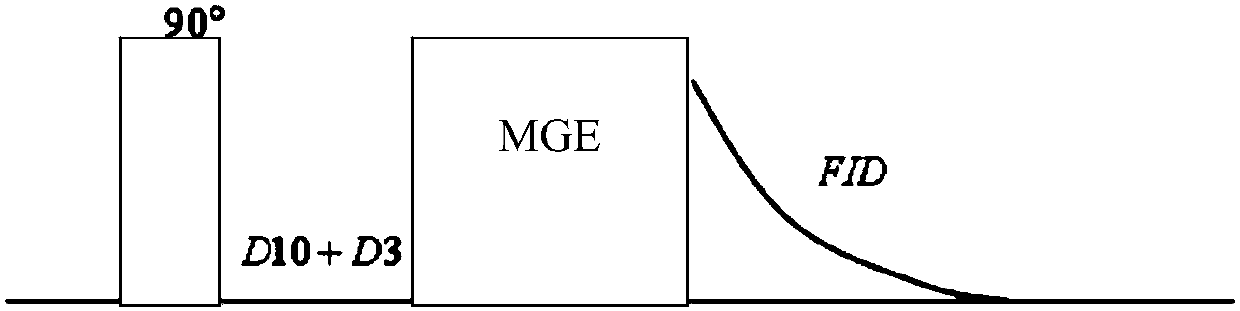
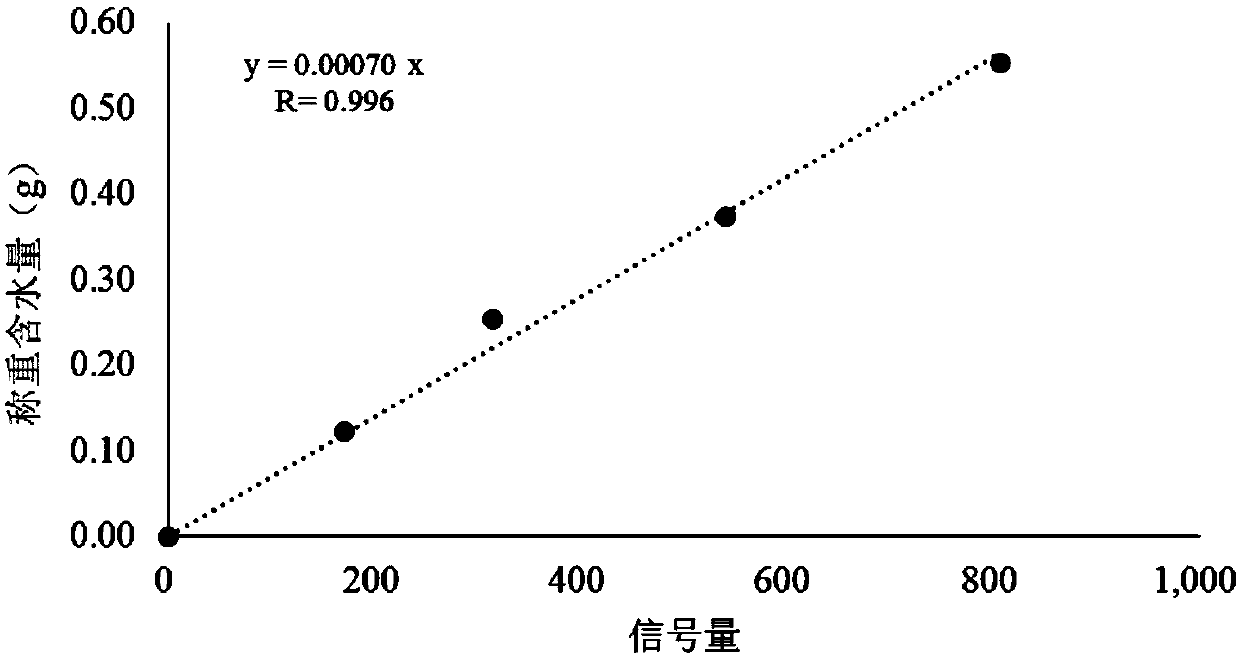
The invention provides a method for nondestructive testing of source rock water content based on magnetic resonance imaging, which includes steps of a, sequence selection: using a magnetic resonance imaging analyzer, and applying an S-MGE sequence to selectively collect a signal of proton in hydrone in a source rock sample, wherein the collecting process of the S-MGE sequence includes steps of applying multiple impulses at 90 degrees to magnetic resonance imaging signals of all hydrogen cores of a saturated source rock sample to form an exciting echo during the recovery process of the magneticresonance imaging signals of the hydrogen core, so as to acquire magnetic resonance imaging relaxing information of the hydrogen core in a water molecule in the source rock sample; finally, acquiringthe magnetic resonance imaging signal intensity of the hydrogen core in the water molecule in the source rock sample; b, building a standard curve; c, testing water content in the to-be-tested sampleof the source rock; d, calculating the water content of the to-be-tested sample of the source rock.
Need to check novelty before this filing date? Find Prior Art

Description

technical field

[0001] The invention relates to a method for non-destructive detection of water content of source rocks based on nuclear magnetic resonance, and belongs to the technical field of petroleum geological exploration. Background technique

[0002] The water content in source rocks is one of the important indicators for studying hydrocarbon generation of source rocks, but source rocks generally have a denser pore structure, less water content and higher organic matter content. At present, the methods commonly used to measure the water content of rocks mainly include NMR method and drying method. Among them, the traditional nuclear magnetic resonance method (CPMG) is obviously affected by organic matter (kerogen). Using combined pulses, through a suitable phase cycle, the hydrocarbon signal in shale can be directly tested, and the oil-water signal cannot be distinguished, and the water content of the test is biased. big. However, the drying method takes a long tim...

Examples

Embodiment Construction

[0029] In order to have a clearer understanding of the technical features, purposes and beneficial effects of the present invention, the technical solution of the present invention will be described in detail below in conjunction with the following specific embodiments, but it should not be construed as limiting the scope of the present invention.

[0030] 1. Experimental samples

[0031] The experimental samples include 1 original sample of mudstone and 5 residual samples after thermal simulated hydrocarbon generation experiments at 350-550°C (interval 50°C) using high-temperature and high-pressure hydrocarbon generation simulation equipment, respectively recorded as samples 1-5.

[0032] 2. Experimental equipment

[0033] A MacroMR12-150H-I nuclear magnetic resonance imaging analyzer (Shanghai Numai Electronic Technology Co., Ltd.) was selected for nuclear magnetic resonance testing.

[0034] 3. Experimental steps

[0035] (1) Select the test sequence: select the S-MGE seq...