
Chemically amplified positive resist composition and resist pattern forming process
一种正型抗蚀剂、组合物的技术,应用在有机化学、光学、图纹面的照相制版工艺等方向
- Summary
- Abstract
- Description
- Claims
- Application Information
AI Technical Summary
Problems solved by technology
Method used
Image

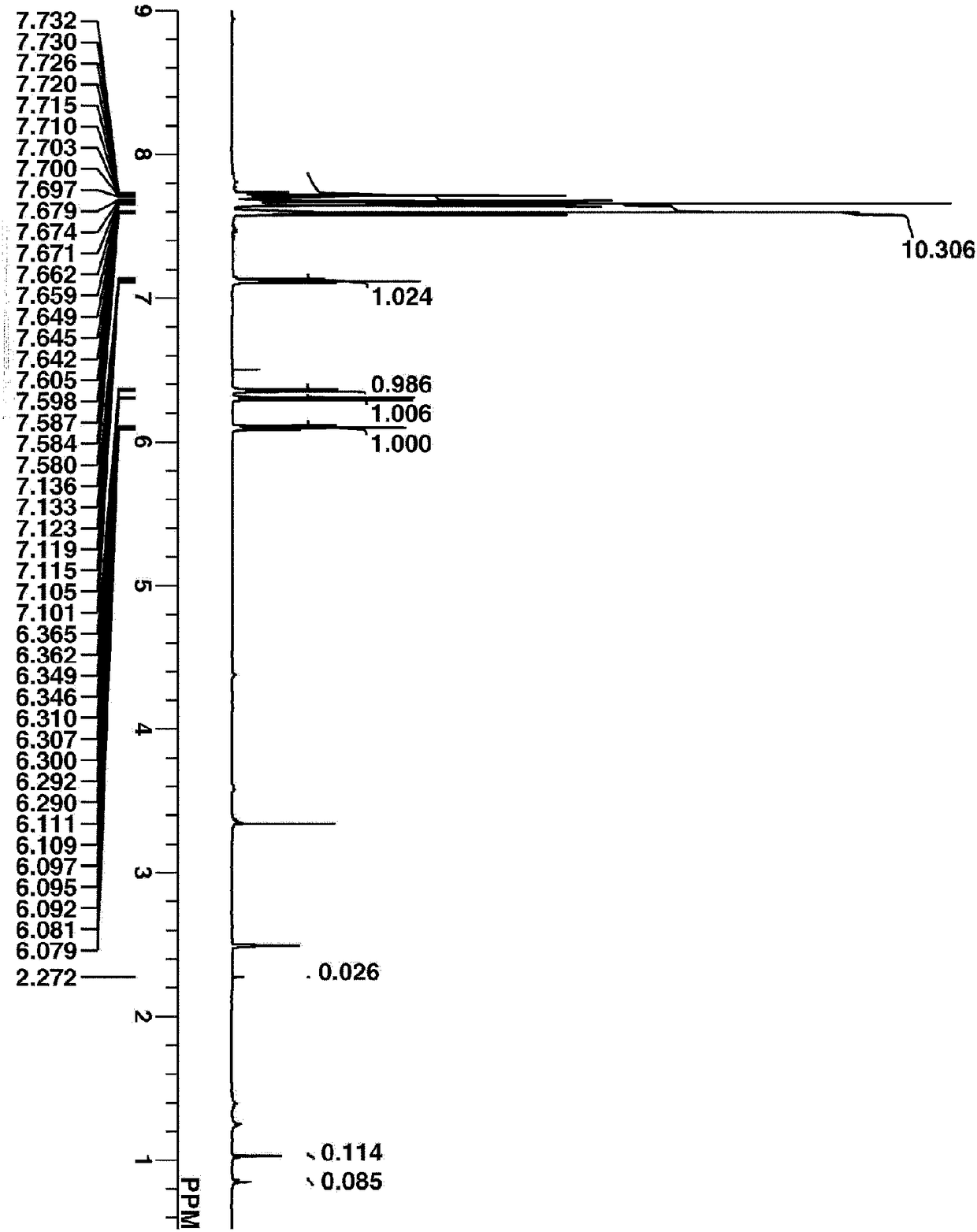
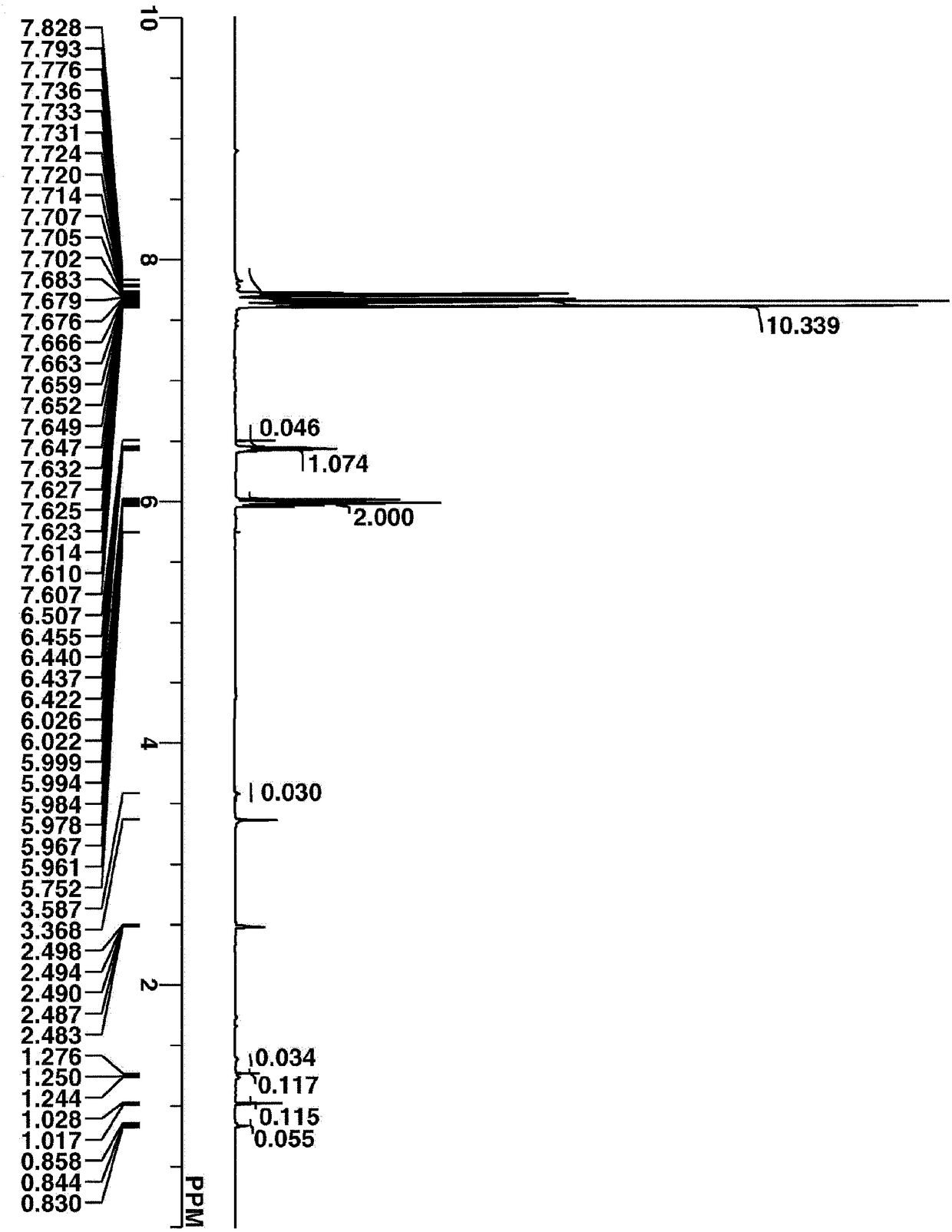
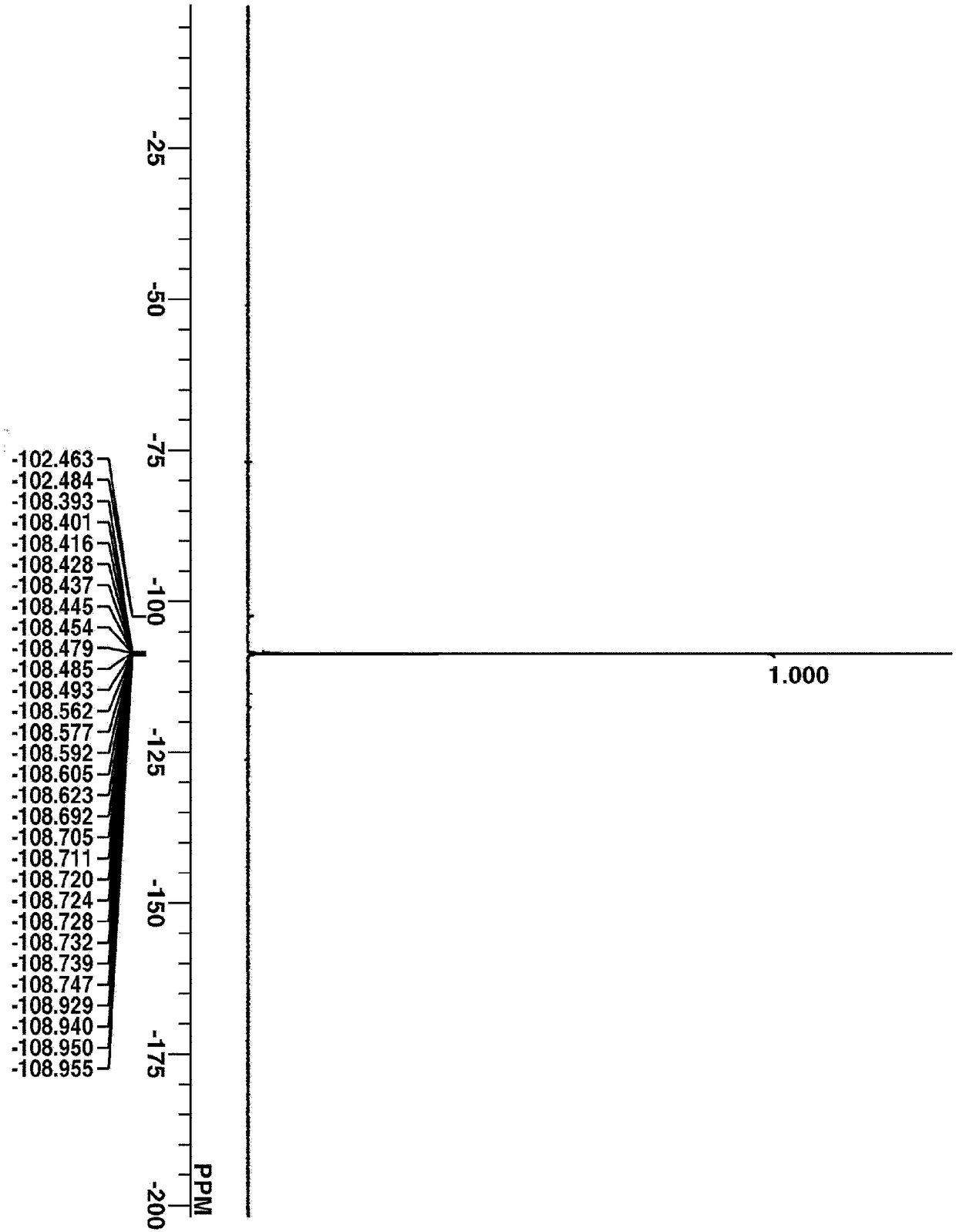
Examples
Embodiment
[0192] Examples of the invention are given below by way of illustration and not by way of limitation. The abbreviation "pbw" means parts by weight. THF is tetrahydrofuran. The copolymer composition is represented by molar ratio. Mw was determined by GPC against polystyrene standards. Analytical instruments are shown below.
[0193] IR: NICOLET 6700 manufactured by Thermo Fisher Scientific Inc.
[0194] 1 H-NMR: ECA-500 manufactured by JEOL Ltd.
[0195] 19 F-NMR: ECA-500 manufactured by JEOL Ltd.
[0196] LC-MS: ACQUITY UPLC H-Class System and ACQUITY QDa manufactured by Waters.
[0197] 1) Synthesis of sulfonium compounds
Synthetic example 1
[0199] Synthesis of 2-(diphenylsulfonium)phenoxide Q-1
Synthetic example 1-1
[0201] Synthesis of (2-tert-butoxyphenyl)diphenylsulfonium chloride (intermediate A)
[0202]
[0203] The Grignard reagent was prepared using standard methods in THF using 2.6 g of magnesium and 16 g of 2-tert-butoxychlorobenzene. 6.1 g of diphenylsulfoxide and 27 g of THF were added to the Grignard reagent. Then, 9.8 g of chlorotrimethylsilane was added dropwise to this solution at room temperature, and aged for 3 hours. After aging, a saturated aqueous ammonium chloride solution was added to quench the reaction, and 100 g of water was added to the reaction solution, washed with diisopropyl ether to obtain the target compound (2-tert-butoxyphenyl) di Aqueous solution of phenylsulfonium chloride (designated as Intermediate A). This compound was fed to the next step without isolation.
PUM
| Property | Measurement | Unit |
|---|---|---|
| aperture size | aaaaa | aaaaa |
| weight-average molecular weight | aaaaa | aaaaa |
Abstract
Description
Claims
Application Information
 Login to View More