Distributed or parallel execution of a computer program is particularly problematic for a number of reasons.
One of the main problems to be dealt with in implementing the execution of multiple components of a computer program is that, given the same user inputs, the execution of the same section of code by two different machines / processors, or at different times, will tend to produce different results.
Thus, parallel
programming systems are often said to be non-deterministic, meaning that the outcome of executing the program cannot be predicted.
Even systems that are based on well-written programs can encounter problems due to the issue of non-determinacy.
It is also very hard for even the most experienced computer programmers to write and implement distributed programs.
Inconsistencies between the execution, and thus the
simulation and / or presentation, of corresponding objects on different machines composing a distributed
system will quickly result in observably divergent behaviour.
The problem of non-determinacy is a particular issue for distributed systems where any
divergence between the outcome of execution of a particular program component on one
machine and the outcome of execution of that same program component on another
machine (given the same
user input(s)), will undermine the outcome of the program and, thereby, the value of the
system.
However, this method utilizes a significant amount of the bandwidth capacity available to the
system in communicating details about an execution result between a
server and a
client.
It also suffers from latency issues.
In particular, within the technical field of global MMOGs (Massively Multiplayer Online Games), which seek to support hundreds or thousands of players simultaneously over a network, the issues of bandwidth consumption and latency are magnified; indeed, the quantity of information to be transmitted between machines via the network may be prohibitive for some games.
This is difficult for programmers to do, prone to errors (e.g. Race conditions), limits parallelism and can lead to deadlocks, where the program stops working indefinitely.
Another problem frequently encountered arises because of the
communication bandwidth and latency of the network being used.
A network has relatively slow communication, so if two parts of the program run on different computers but require a lot of communication between them, then the network will be a
bottleneck.
If all parts of the program are accessing the same memory system, then the memory will be a
bottleneck.
Other problems include inconsistent and irregular access to data, and
exposure to failures that cannot occur in single threaded, non-distributed programs.
Because of the large number of possible error causes, it is difficult to write robust
software.
This can make it difficult for programmers to decide which method to use—something fast that only works on the local computer, or something slow and complex that works on any computer.
Another problem is due to the unpredictable nature of user interaction.
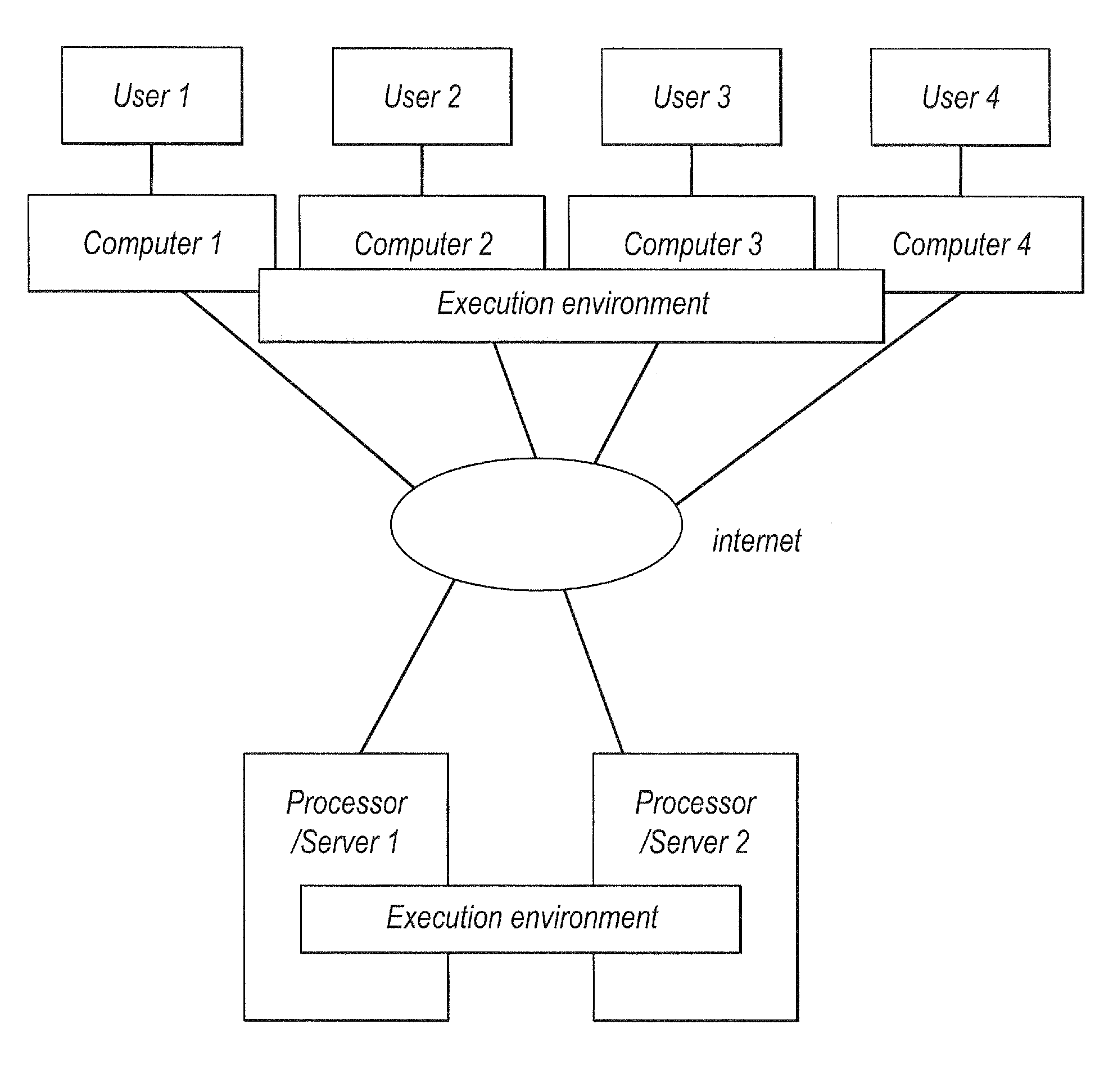
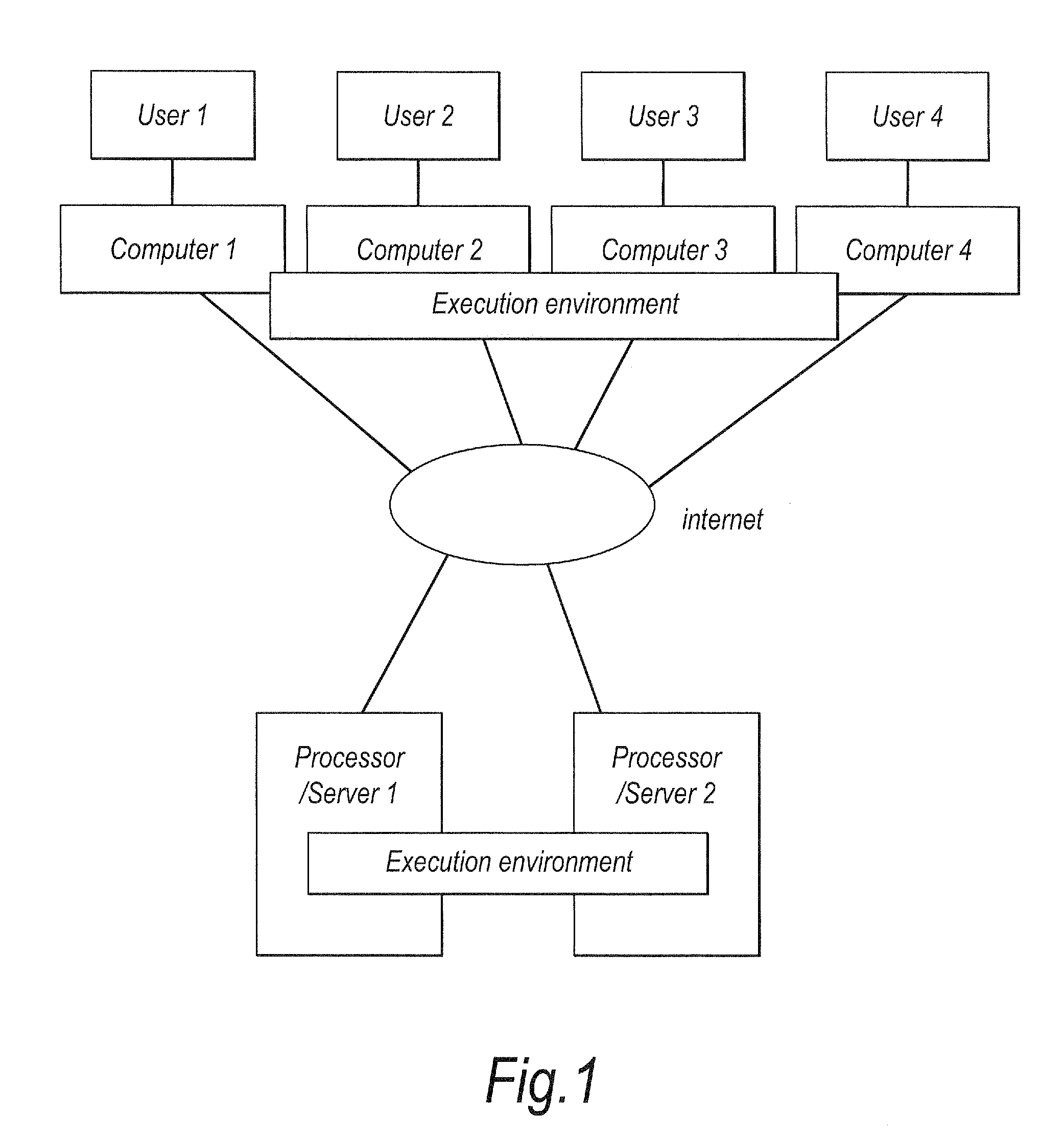
Because of the amount of time it takes for a message to get from the user's computer to the
server and then out to all other users, there is a
delay between a user making a change in the system and it being visible to all other users.
This makes such distributed systems very unresponsive to
user input.
When multiple users are using
the internet to interact with a program and each other, then network latency (the time taken for a message to get from one computer to another) causes problems keeping the system running interactively and maintaining consistent program state across the network.
A problem with this, however, is that it suffers from inconsistent
data access, locking, blocking, race conditions and deadlocking.
In addition, it is not deterministic and not designed for interactive use.
It suffers from locking, blocking and deadlocking and is not designed for interactive use.
However, it is not amenable to parallelisation and so is not very scalable.
A problem with this is that allowing full co-routines leads to programs that are difficult to understand due to the complexity resulting from the transfers of execution.
However, a problem is that actors are not guaranteed to be executed in any specific order and messages sent between actors are not guaranteed to arrive in any specific order.


 Login to View More
  Login to View More