
Polyamide compound
a technology of polyamide and compound, applied in the field of polyamide compound, can solve the problems of deterioration of the contents of the container, container failure to prevent not only the invasion of a small amount of oxygen from the outside of the container, storage of contents, etc., and achieves no offensive odor, sufficient oxygen absorption capability, and excellent oxygen absorption ability.
- Summary
- Abstract
- Description
- Claims
- Application Information
AI Technical Summary
Benefits of technology
Problems solved by technology
Method used
Image

Examples
examples
[0125]The present invention will be described in more detail with reference to examples below, but the present invention is not limited to the examples.
[0126]In the following examples,
[0127]poly-m-xylylene adipamide is referred to as “N-MXD6”,
[0128]poly-m-xylylene sebacamide is referred to as “N-MXD10”,
[0129]poly-m-xylylene dodecanamide is referred to as “N-MXD12”,
[0130]isophthalic acid-copolymerized poly-m-xylylene adipamide is referred to as “N-MXD6I”,
[0131]isophthalic acid-copolymerized poly-m-xylylene sebacamide is referred to as “N-MXD10I”,
[0132]isophthalic acid-copolymerized poly-m-xylylene dodecanamide is referred to as “N-MXD12I”,
[0133]terephthalic acid-copolymerized poly-m-xylylene adipamide is referred to as “N-MXD6T”,
[0134]2,6-naphthalenedicarboxylic acid-copolymerized poly-m-xylylene adipamide is referred to as “N-MXD6N”,
[0135]ε-caprolactam-copolymerized poly-m-xylylene adipamide is referred to as “N-MXD6,6”,
[0136]ε-caprolactam-copolymerized poly-m-xylylene sebacamide is...
example 101
Melt Polymerization of Polyamide Compound by Atmospheric Dropping Method
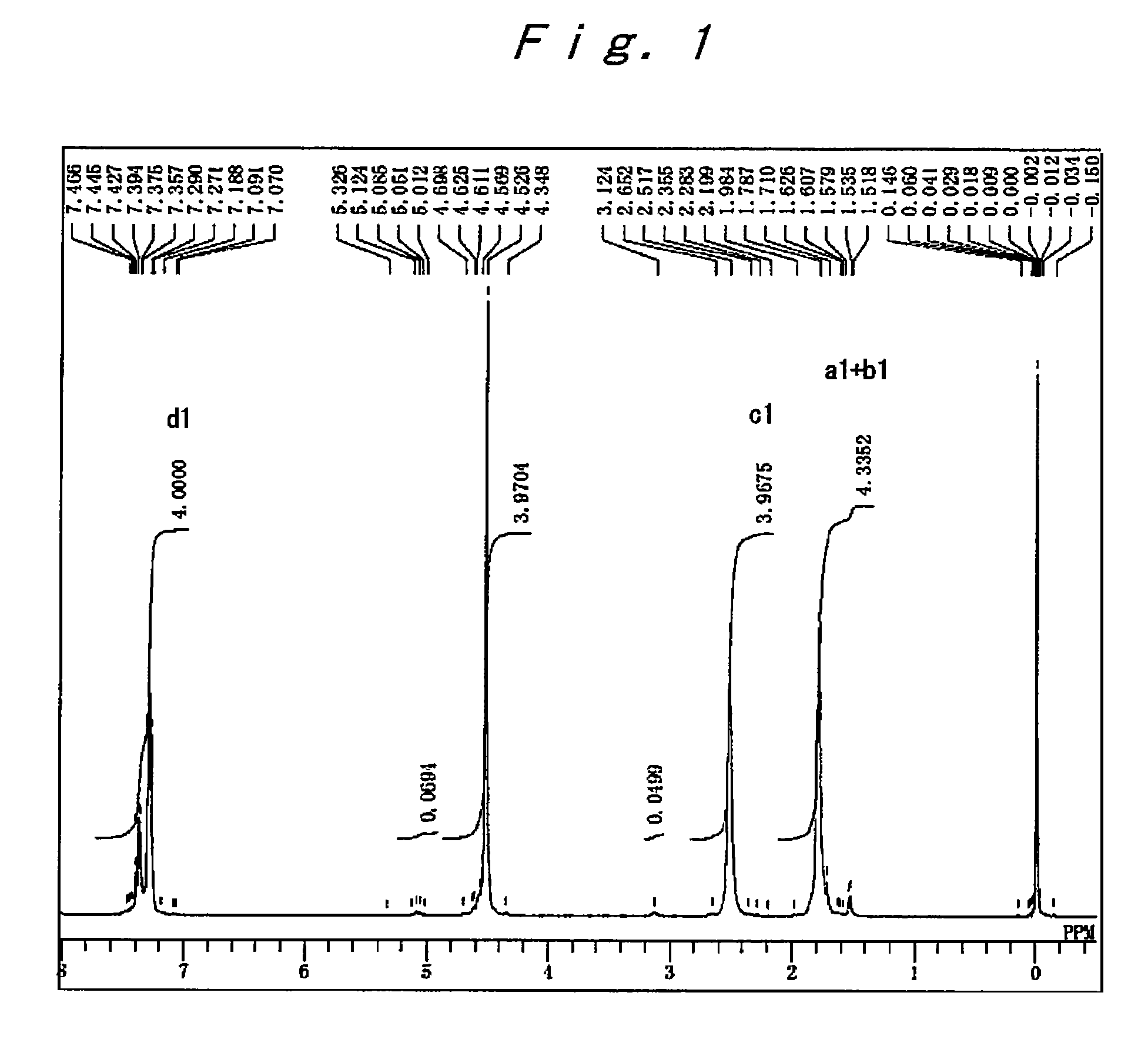
[0160]In a reaction vessel having an inner capacity of 50 L, equipped with a stirrer, a partial condenser, a total condenser, a thermometer, a dropping funnel, a nitrogen introducing tube and a strand die, 13,000 g (88.96 mol) of precisely weighed adipic acid (produced by Asahi Kasei Chemicals Corporation), 880.56 g (9.88 mol) of DL-alanine (produced by Musashino Chemical Laboratory, Ltd.), 11.7 g (0.11 mol) of sodium hypophosphite and 6.06 g (0.074 mol) of sodium acetate were placed, and after sufficiently replacing with nitrogen, the system was heated to 170° C. under a small amount of a nitrogen stream under stirring. 12,075.4 g (88.66 mol) of m-xylylenediamine (produced by Mitsubishi Gas Chemical Co., Inc.) was added dropwise thereto under stirring, and the system was continuously heated while removing condensation water formed. After completing the dropwise addition of m-xylylenediamine, the reaction was co...
example 102
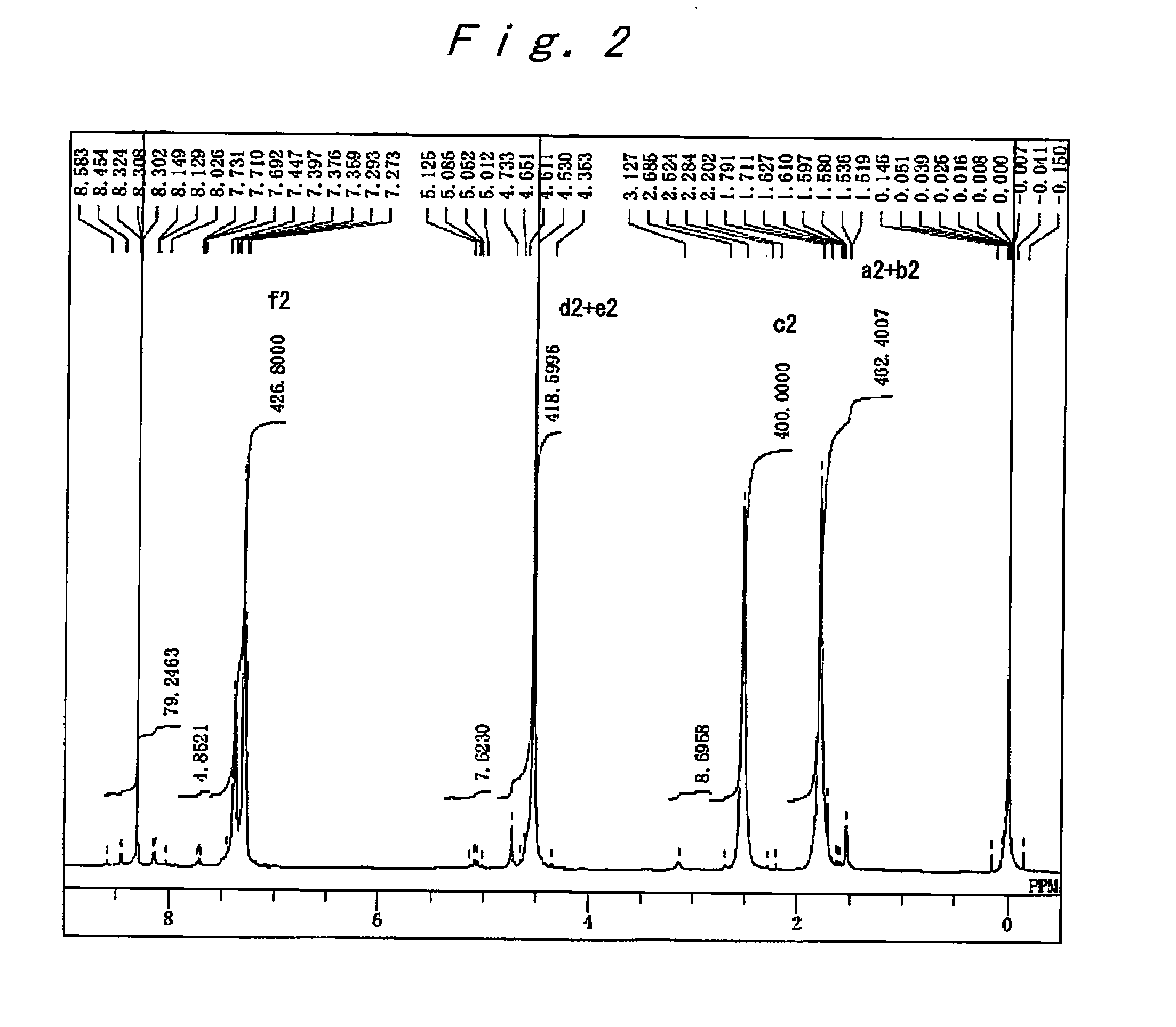
[0168]D-alanine-copolymerized N-MXD6 (polyamide compound 102) and a non-stretched film thereof were produced in the same manner as in Example 101 except that the α-amino acid was changed to D-alanine (produced by Musashino Chemical Laboratory, Ltd.).
PUM
| Property | Measurement | Unit |
|---|---|---|
| relative viscosity | aaaaa | aaaaa |
| melting point | aaaaa | aaaaa |
| transparency | aaaaa | aaaaa |
Abstract
Description
Claims
Application Information
 Login to View More