
Preparation method of crizotinib intermediate (1S)-1-(2, 6-dichloro-3-fluorophenyl)ethanol
A technology of fluorophenyl and ethanol, which is applied in the field of preparation of crizotinib intermediate-1-ethanol, can solve the problems of unfavorable large-scale production, many steps, low yield, etc., and achieve high industrial application value, solvent The effect of less consumption and cost saving
Patent Information
- Authority / Receiving Office
- CN · China
- Patent Type
- Applications(China)
- Current Assignee / Owner
- Publication Date
- 2013-09-25
Smart Images
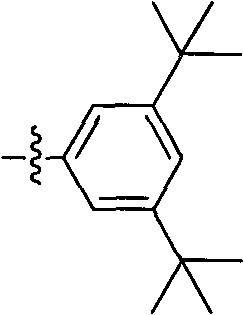
Figure 1 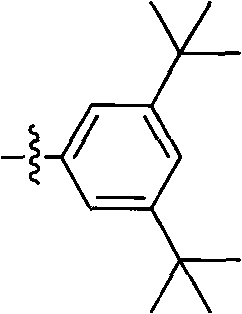
Figure 2 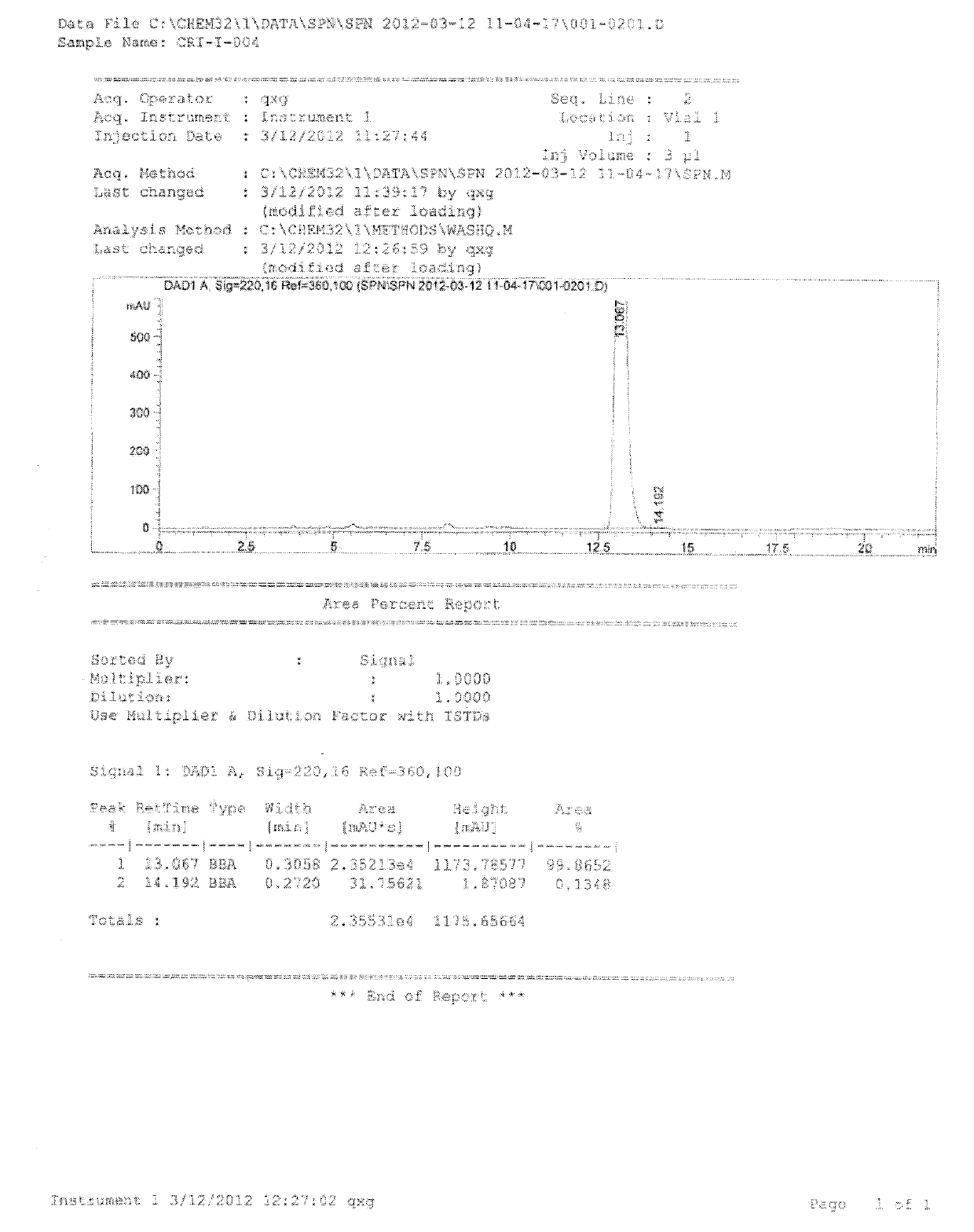
Figure 3
Abstract
Description
technical field
[0001] The invention relates to the field of pharmaceutical synthesis, in particular to a preparation method of crizotinib intermediate (1S)-1-(2,6-dichloro-3-fluorophenyl)ethanol. Background technique
[0002] Crizotinib is an oral tyrosine kinase receptor inhibitor developed by Pfizer. The drug is used to treat patients with advanced non-small cell lung cancer (NSCLC) who express an abnormal anaplastic lymphoma kinase (ALK) gene. Its structural formula is as follows:
[0003]
[0004] In the synthetic steps of crizotinib, the asymmetric synthesis of the intermediate (1S)-1-(2,6-dichloro-3-fluorophenyl)ethanol is the key to the synthesis of the target compound. At present, there are patent application documents (WO2006021881, WO2007066187, WO200903604) disclosing crizotinib and the key intermediate (1S)-1-(2,6-dichloro-3-fluorophenyl)ethanol, the above-mentioned disclosed The patent application documents mainly synthesize the key intermediate (1S)-1-(2...
Examples
Embodiment 1
[0037] Example 1: Preparation of (1S)-1-(2,6-dichloro-3-fluorophenyl)ethanol
[0038]Under the protection of nitrogen, weigh 1.0mg (0.001mmol) chiral catalyst I (X is hydrogen) and 48mg (0.5mmol) sodium tert-butoxide to the reaction inner tube, add 3mL ethanol and 1035mg (5mmol) sodium tert-butoxide to the reaction inner tube ) 1-(2,6-dichloro-3-fluorophenyl)ethanone, put the reaction inner tube into the autoclave, replace the gas in the autoclave with hydrogen, keep the hydrogen pressure at 1.0~1.2MPa, and put the reaction The kettle was moved into an oil bath at 30°C to stir the reaction. After reacting for 6 hours, the hydrogen pressure stopped dropping, so the heating and reaction were stopped. The reaction solution was concentrated. Add 10 mL of water and 10 mL of ethyl acetate to the system, and separate the layers. The aqueous phase was extracted twice with ethyl acetate (10 mL×2), the organic phases were combined, washed once with saturated brine, and dried over anh...
Embodiment 2
[0039] Embodiment 2: Preparation of (1S)-1-(2,6-dichloro-3-fluorophenyl)ethanol
[0040] Under nitrogen protection, weigh 1.0mg (0.001mmol) chiral catalyst I (X is hydrogen) and 34mg (0.5mmol) sodium ethoxide to the reaction inner tube, add 3mL ethanol and 1035mg (5mmol) 1 -(2,6-dichloro-3-fluorophenyl)ethanone, put the reaction inner tube into the high-pressure reactor, replace the gas in the reactor with hydrogen, keep the hydrogen pressure at 1.0-1.2MPa, and move the reactor into The reaction was stirred in an oil bath at 30°C. After reacting for 6 hours, the hydrogen pressure stopped dropping, so the heating and reaction were stopped. The reaction solution was concentrated. Add 10 mL of water and 10 mL of ethyl acetate to the system, and separate the layers. The aqueous phase was extracted twice with ethyl acetate (10 mL×2), the organic phases were combined, washed once with saturated brine, and dried over anhydrous sodium sulfate. Suction filtration and spin-drying of...
Embodiment 3
[0041] Embodiment 3: Preparation of (1S)-1-(2,6-dichloro-3-fluorophenyl)ethanol
[0042] Under nitrogen protection, weigh 1.0mg (0.001mmol) of chiral catalyst I (X is 2-methoxy) and 483mg (3.5mmol) of potassium carbonate into the inner tube of the reaction, add 10ml of DMF and 1035mg of (5mmol) 1-(2,6-dichloro-3-fluorophenyl)ethanone, put the reaction inner tube into the autoclave, replace the gas in the autoclave with hydrogen, keep the hydrogen pressure at 1.0~1.2MPa, The reaction kettle was moved into a 30°C oil bath to stir the reaction. After reacting for 6 hours, the hydrogen pressure stopped dropping, so the heating and reaction were stopped. The reaction solution was concentrated. Add 10 mL of water and 10 mL of ethyl acetate to the system, and separate the layers. The aqueous phase was extracted twice with ethyl acetate (10 mL×2), the organic phases were combined, washed once with saturated brine, and dried over anhydrous sodium sulfate. Suction filtration and spi...