
A tuned two-degree-of-freedom passive damper
A technology of passive damping and degree of freedom, applied in non-rotating vibration suppression, metal processing machinery parts, maintenance and safety accessories, etc., can solve the problem of narrow vibration suppression frequency band, achieve vibration suppression frequency bandwidth, reduce vibration, and realize convenient Effect
Patent Information
- Authority / Receiving Office
- CN · China
- Patent Type
- Patents(China)
- Current Assignee / Owner
- Publication Date
- 2015-11-11
- Estimated Expiration
- Not applicable · inactive patent
Smart Images
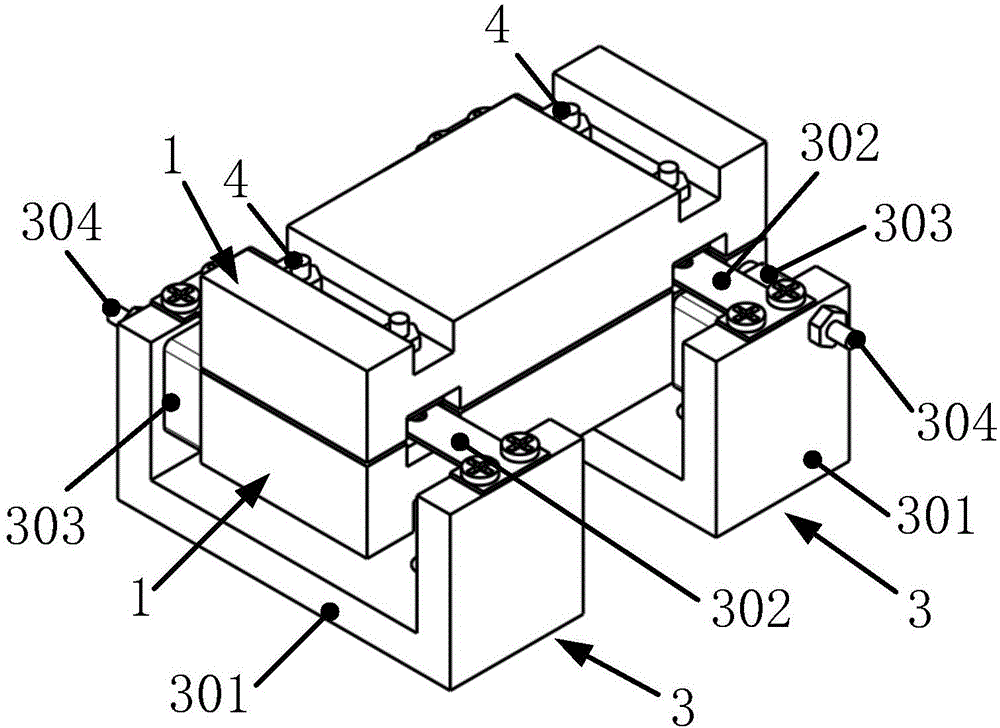
Figure 1 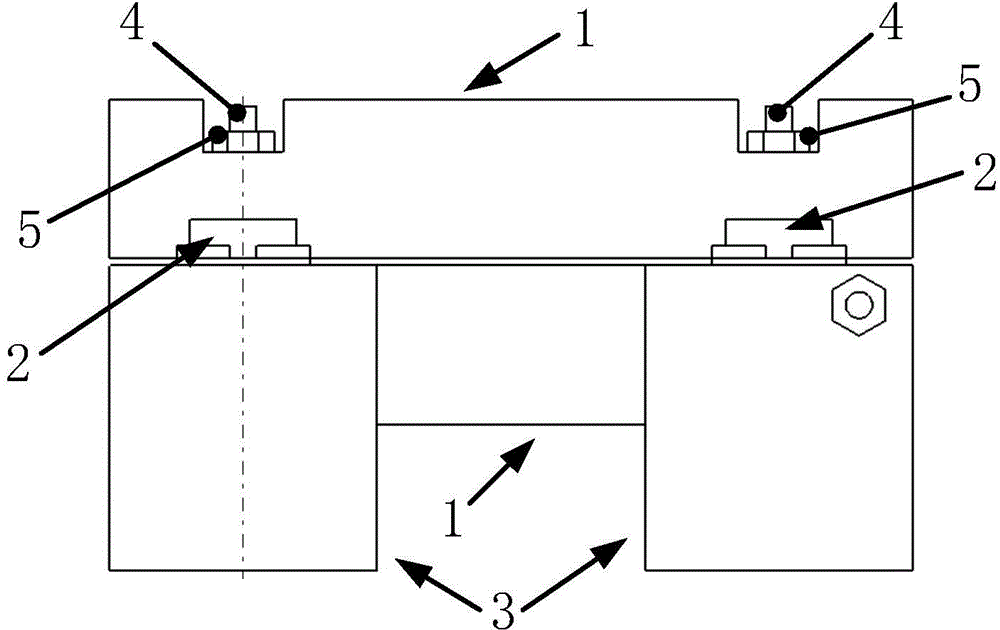
Figure 2 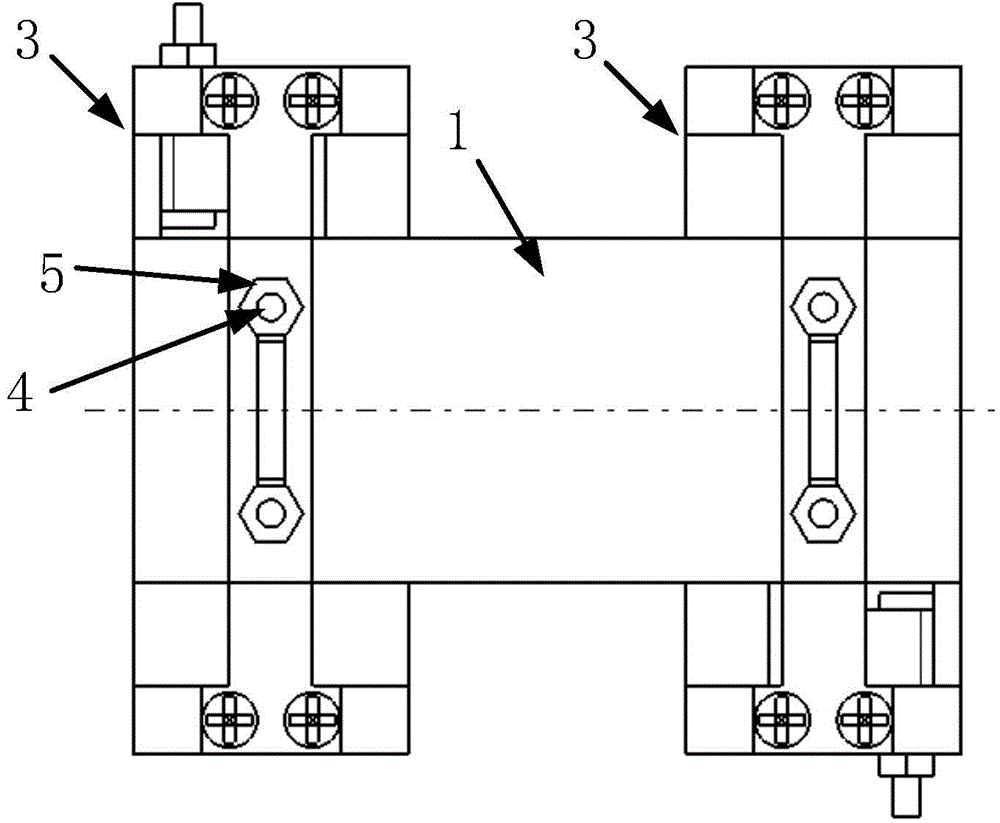
Figure 3
Abstract
Description
technical field
[0001] The invention belongs to the field of mechanical processing, and relates to a machine tool structure and a workpiece vibration reduction device in the metal cutting process. Specifically, it is a two-degree-of-freedom passive damper with adjustable stiffness and damping, so as to realize the high efficiency of metal parts. and high-quality processing. Background technique
[0002] In metal cutting, there will be cutting chatter between the tool and the workpiece, which will lead to the deterioration of the machined surface quality of the workpiece and affect the service life of the tool and even the machine tool. At the same time, chatter during processing will also be accompanied by noise, which will affect the health of operators. By setting the damper to improve the dynamic characteristics of the machine tool and compensate the weak rigid mode, the damage caused by cutting chatter can be fundamentally avoided.
[0003] There are two types of dampe...
Examples
Embodiment Construction
[0030] The present invention will be further described in detail below in conjunction with the accompanying drawings.
[0031] The present invention is a tuned two-degree-of-freedom passive damper, such as figure 1 , figure 2 , image 3 As shown, it includes a mass block 1, a slider 2, an elastic-damping unit 3, a stiffness adjusting bolt 4, and a stiffness adjusting nut 5.
[0032] Such as Figure 4 , Figure 5 As shown, the mass 1 consists of two pieces, namely an upper mass and a lower mass, which have the same structure and both have a rectangular cross-section. The upper mass block and the lower mass block are located at upper and lower positions respectively and are symmetrical to each other. Such as Figure 4 As shown, the lower surface of the upper mass block and the upper surface of the lower mass block are symmetrically located at the left and right ends, and grooves 101 that penetrate front and rear are designed; and the bottom surface of each groove 101 is d...