
Phase synchronization method and system for satellite-bone double-base SAR system based on two-way synchronization
A phase synchronization and two-way synchronization technology, which is applied in the radio wave measurement system, radio wave reflection/re-radiation, utilization of re-radiation, etc., can solve the problems of less research on phase synchronization and joint discussion of other synchronization issues, and achieve system reliability sex high effect
Patent Information
- Authority / Receiving Office
- CN · China
- Patent Type
- Applications(China)
- Current Assignee / Owner
- Publication Date
- 2019-05-07
- Estimated Expiration
- Not applicable · inactive patent
Smart Images
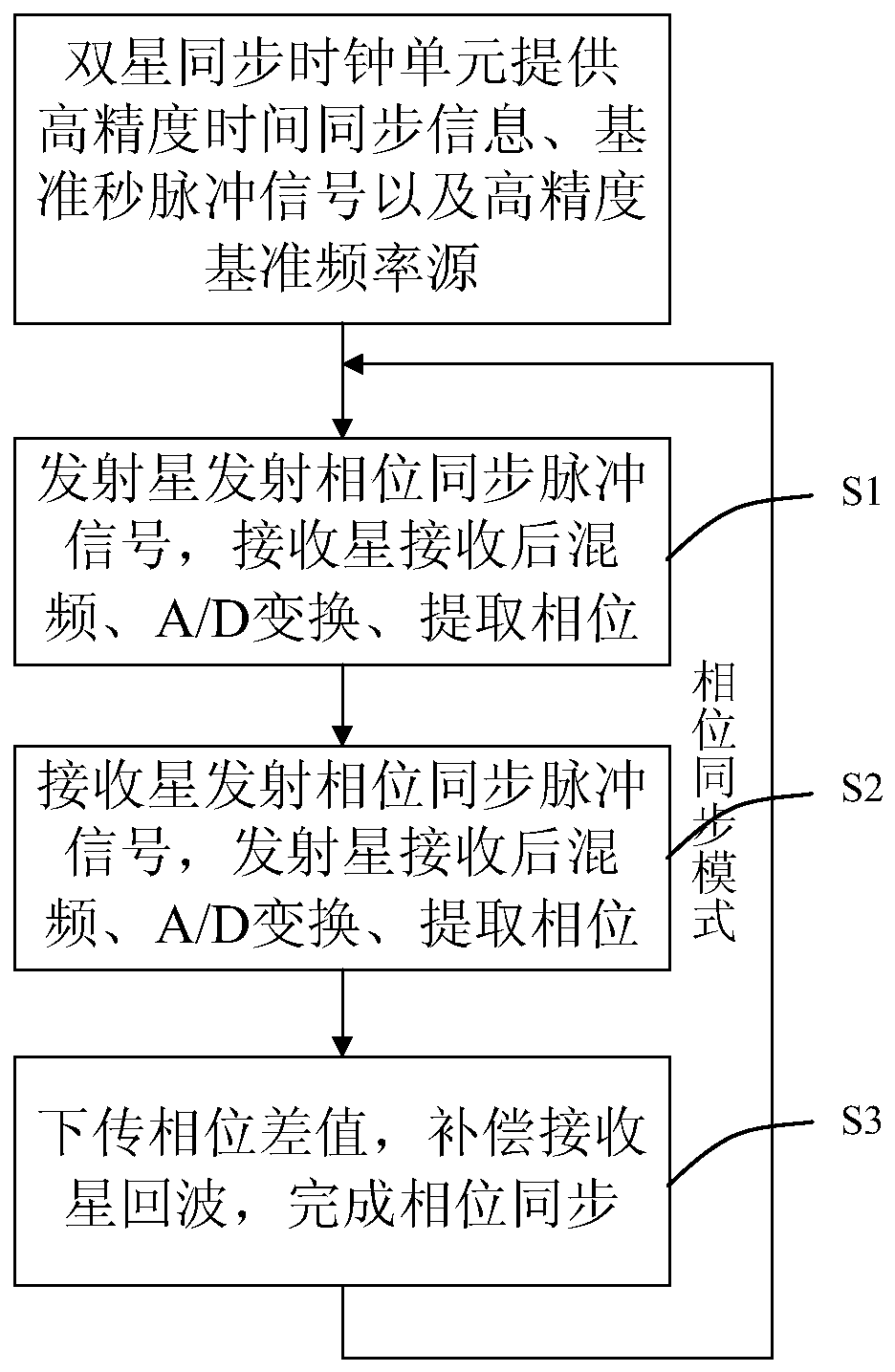
Figure 1 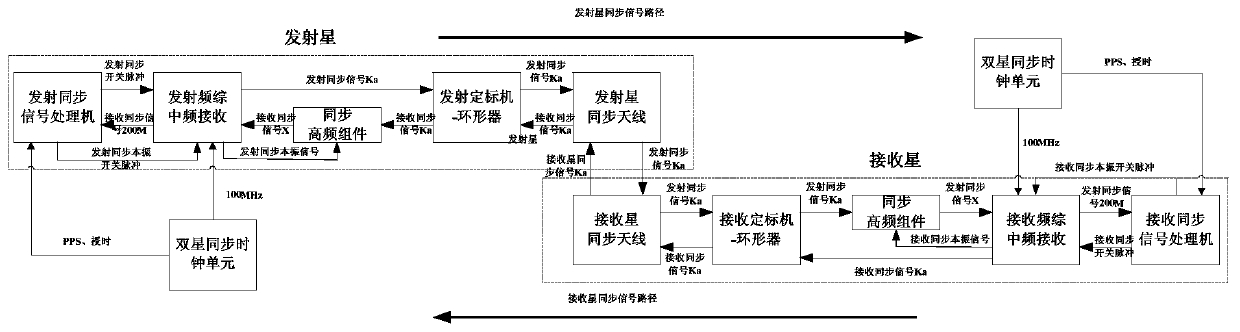
Figure 2 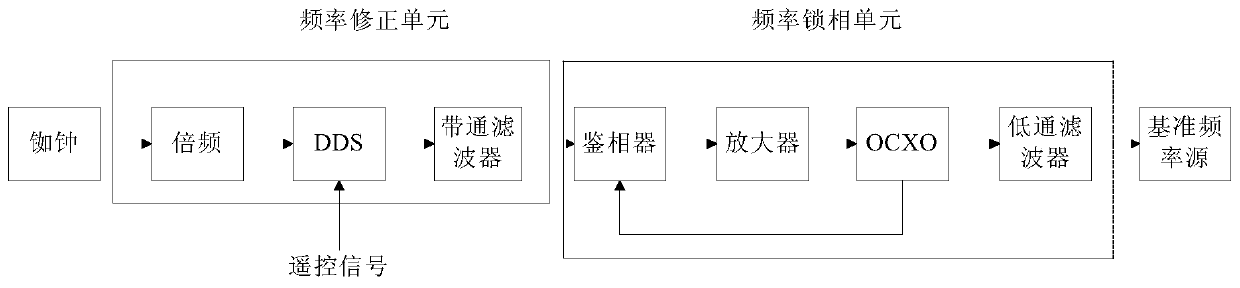
Figure 3
Abstract
Description
technical field
[0001] The invention relates to the technical field of bistatic SAR systems, in particular to a phase synchronization method and system for a spaceborne bistatic SAR system based on two-way synchronization. Background technique
[0002] The spaceborne bistatic synthetic aperture radar (SAR) system (abbreviated as bistatic SAR system) is a new radar system in which the transmitter and receiver are placed on two satellites respectively. Compared with the single-base SAR system, the dual-base SAR system can achieve high-resolution and large-scale imaging; it can obtain the front-view or rear-view imaging of the target or scene; it can be used for interferometric imaging to obtain the target or scene. Three-dimensional images; with good "four anti-" capabilities, namely anti-radiation missiles, anti-electronic jamming, anti-low-altitude invasion, and anti-invisibility, it plays an important role in modern electronic warfare and future information warfare. The se...
Examples
Embodiment 1
[0103] Build bibasic SAR central electronics with bidirectional synchronization links, such as figure 2 As shown, the transmitting central electronic equipment is composed of transmitting synchronous signal processor, frequency synthesizer and intermediate frequency receiver, synchronous high-frequency components, and transmitting calibration machine. The design of the receiving central electronic equipment is the same. The double-star synchronous clock unit includes GPS antenna, GPS receiver, rubidium clock and frequency calibration unit, which provides PPS second pulse, timing information and 100MHz clock signal for the system. First test the accuracy of the frequency calibration system based on the rubidium clock. After the 10MHz signal output by the rubidium clock enters the frequency correction unit and the frequency phase-locking unit, it is locked at 100MHz. Use a frequency meter to measure the frequency value of the output signal. Each measurement takes half an hour. ...