

Molecular markers for identifying five alpinia plants and application thereof
A molecular marker, the technology of almond, applied in the determination/inspection of microorganisms, biochemical equipment and methods, resistance to vector-borne diseases, etc., can solve problems such as confusion, affecting drug efficacy and safety, etc.
Active Publication Date: 2021-07-20
INST OF MEDICINAL PLANT DEV CHINESE ACADEMY OF MEDICAL SCI
View PDF4 Cites 2 Cited by
- Summary
- Abstract
- Description
- Claims
- Application Information
AI Technical Summary
Problems solved by technology
Method used
the structure of the environmentally friendly knitted fabric provided by the present invention; figure 2 Flow chart of the yarn wrapping machine for environmentally friendly knitted fabrics and storage devices; image 3 Is the parameter map of the yarn covering machine
View moreImage
Smart Image Click on the blue labels to locate them in the text.
Smart ImageViewing Examples

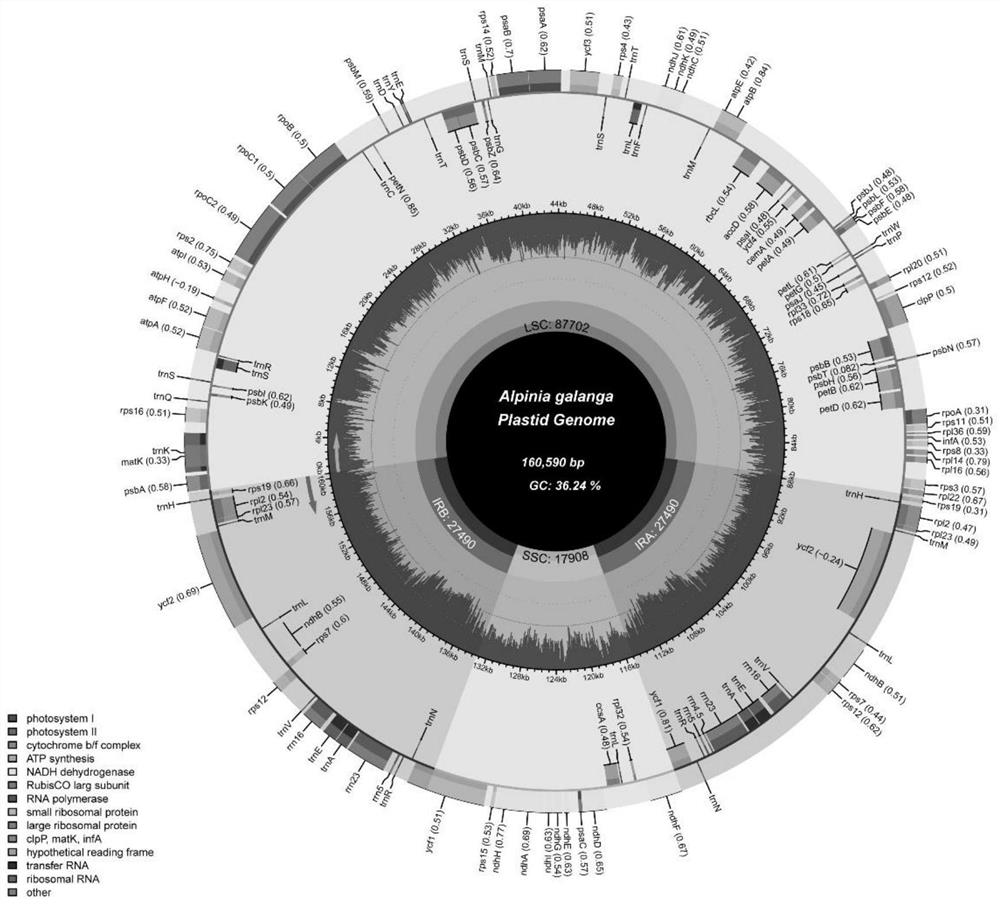
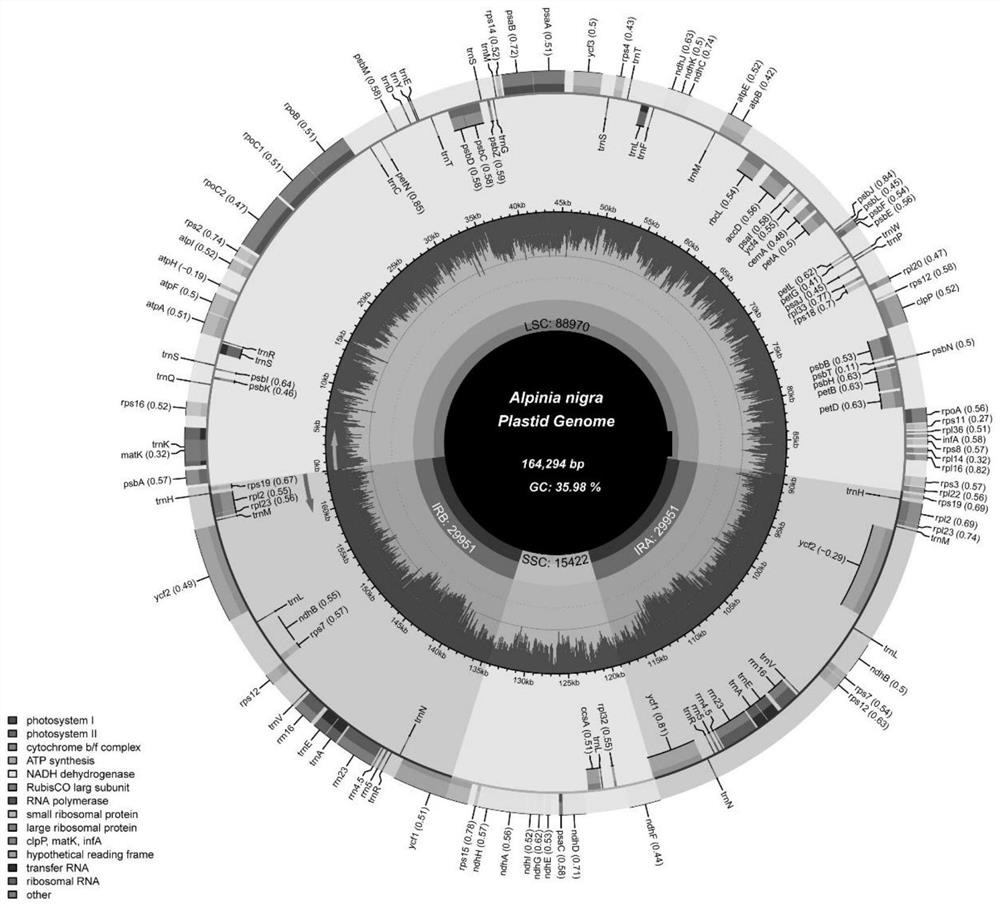
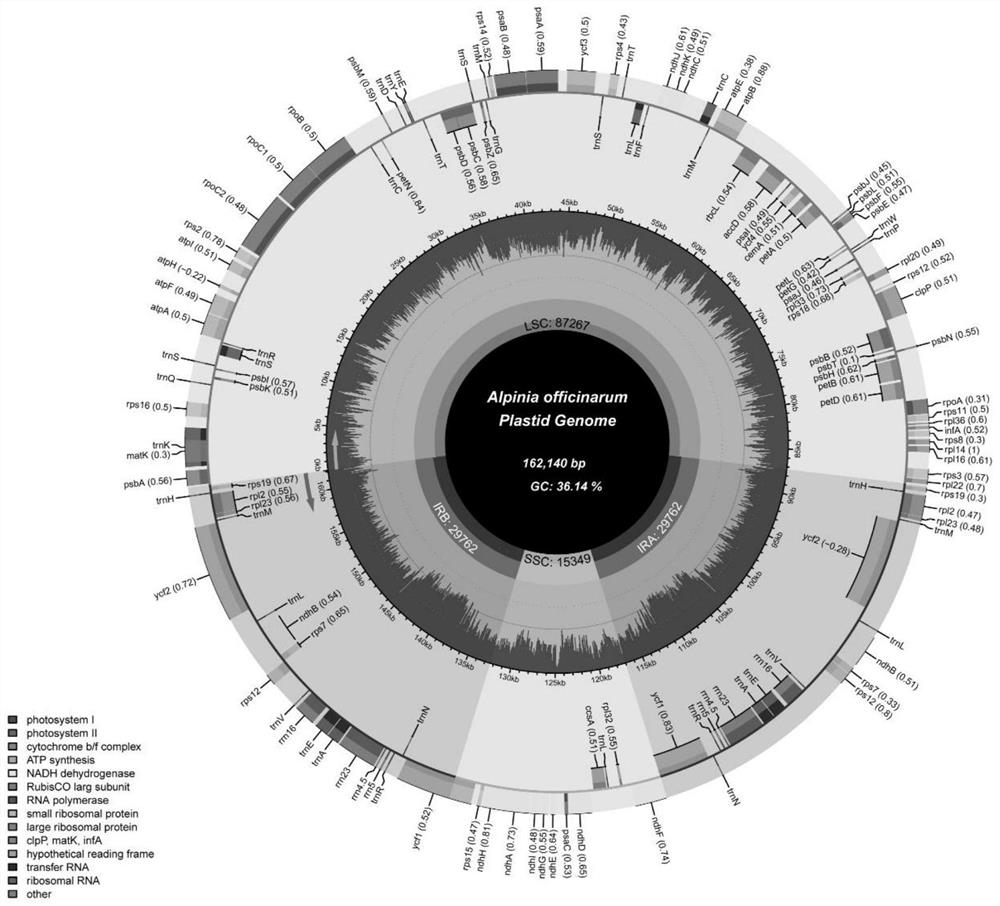
Examples
Experimental program
Comparison scheme
Effect test
Embodiment
[0058] 1. Plant Material and Total DNA Preparation
[0059] Young leaves were collected from plants of cardamom, alpinia galanga, galangal, and azalea growing in Guangxi Medicinal Plant Garden, China (108°19'E, 22°51'N, 530023); five collections of each species Individuals of different genotypes, samples were dried with silica and stored in a herbarium, which was deposited at the Institute of Medicinal Plants, Chinese Academy of Medical Sciences (sample numbers: Implad 201910413, Implad 201910414, Implad 20180327, and Implad 20180362).
the structure of the environmentally friendly knitted fabric provided by the present invention; figure 2 Flow chart of the yarn wrapping machine for environmentally friendly knitted fabrics and storage devices; image 3 Is the parameter map of the yarn covering machine
Login to View More PUM
 Login to View More
 Abstract
The invention discloses molecular markers for identifying five alpinia plants and application of the molecular markers, and belongs to the technical field of plant molecular identification. The molecular markers and primers designed based on the molecular markers can effectively identify and distinguish fructus galangae, alpinia hainanensis, alpinia black fruit, galangal and alpinia oxyphylla, and are beneficial to alpinia species classification, plastid genome evolution research and medicinal product discrimination derived from alpinia species.
Description
technical field [0001] The invention belongs to the technical field of plant molecular identification, and specifically relates to molecular markers for identifying five kinds of Alpinia plants and applications thereof. Background technique [0002] Zingiberaceae is the largest family of Zingiberaceae, containing about 1587 species and 52 genera. Alpinia is the largest, most widespread, and taxonomically most complex genus in the Zingiberaceae family; it includes 230 species throughout the tropics and subtropics. Many Alpinia species are used medicinally; among them, Red Cardamom is used for indigestion, fever, urinary incontinence, bad breath and hoarse voice; Hainan Ginger is antiemetic and stomachic; Treatment of bronchitis, gastric ulcer, parasitic intestinal infection; galangal is used to relieve stomach pain, treat colds, activate the circulatory system, and reduce swelling; nootropic is widely used to treat indigestion, diarrhea, abdominal pain, spermatorrhea, kidney...
Claims
the structure of the environmentally friendly knitted fabric provided by the present invention; figure 2 Flow chart of the yarn wrapping machine for environmentally friendly knitted fabrics and storage devices; image 3 Is the parameter map of the yarn covering machine
Login to View More Application Information
Patent Timeline
 Login to View More
 IPC IPC(8): C12Q1/6895C12Q1/686C12N15/11
CPCC12Q1/6895C12Q1/686C12Q2535/122Y02A50/30
Inventor刘昶王立强杨合宇陈海梅
OwnerINST OF MEDICINAL PLANT DEV CHINESE ACADEMY OF MEDICAL SCI