Microfluidic channel embryo and/or oocyte handling, analysis and biological evaluation

A microfluidic, fluid channel technology, used in the determination/inspection of microorganisms, enzymology/microbiology devices, biological testing, etc., can solve problems such as the probability of inaccurate embryo damage
CN1441652AInactive Publication Date: 2003-09-10THE BOARD OF TRUSTEES OF THE UNIV OF ILLINOIS

Patent Information

Authority / Receiving Office
CN · China
Current Assignee / Owner
THE BOARD OF TRUSTEES OF THE UNIV OF ILLINOIS
Publication Date
2003-09-10
Estimated Expiration
Not applicable · inactive patent

Smart Images

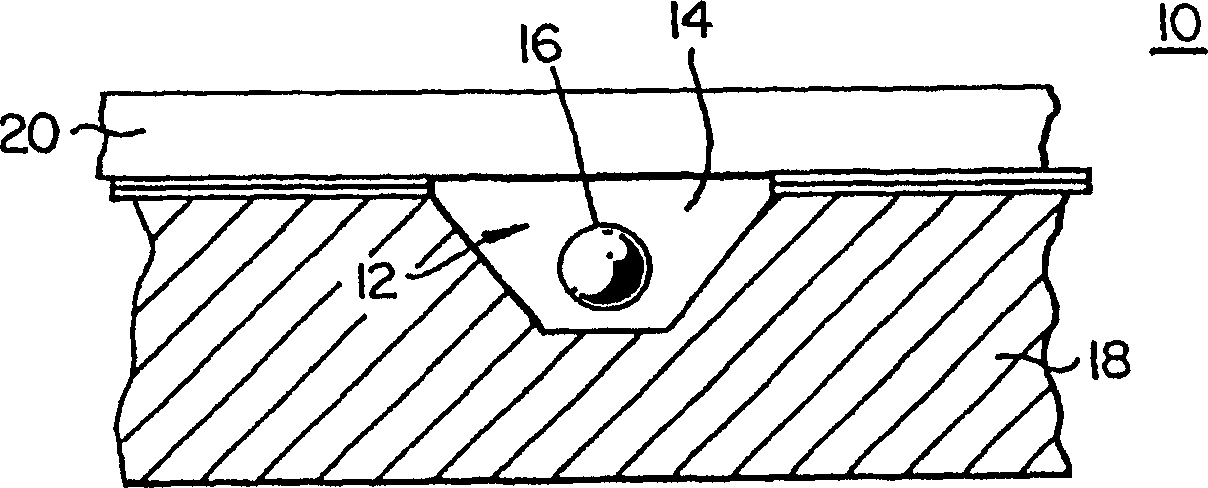
  • Figure 1
    Figure 1
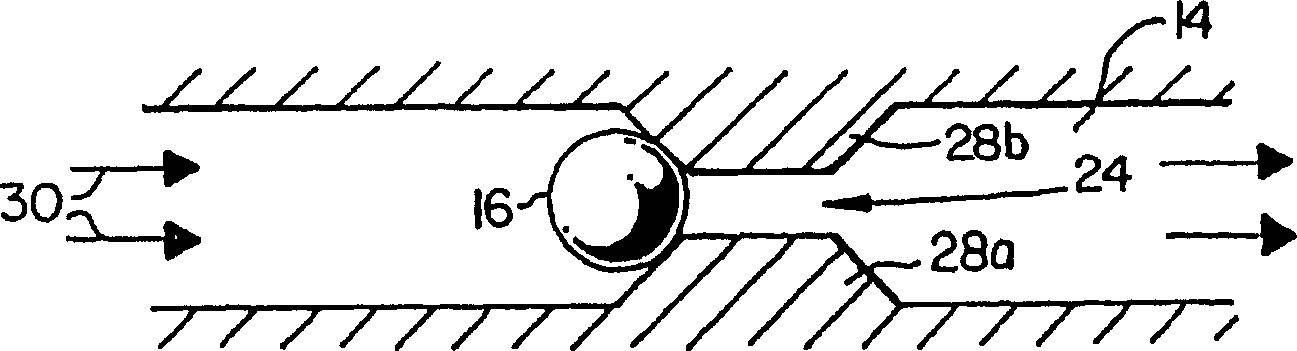
  • Figure 2
    Figure 2
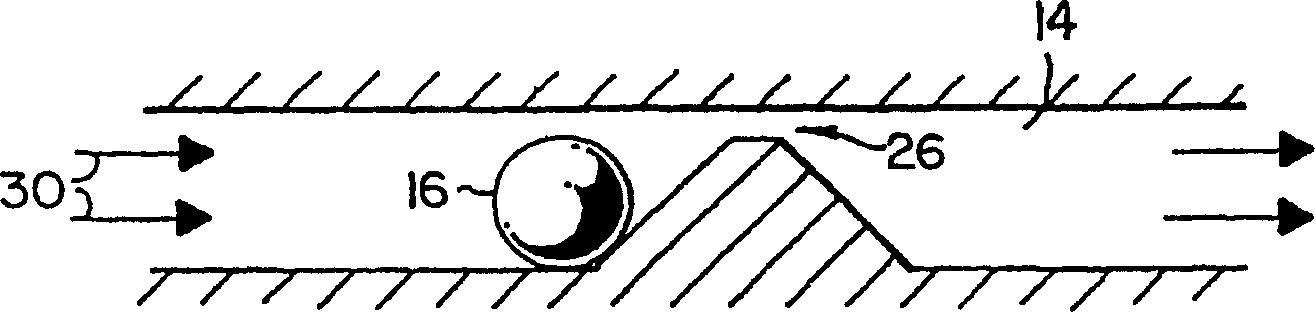
  • Figure 3
    Figure 3
Patent Text Reader

Abstract

Microfluidic embryo scaled channels (14) for handling and positioning embryos provide the opportunity to evaluate and treat embryos in improved manners. Fluid flow is used to move and position embryos within microfluidic channels and channel geometrics may be used to place embryos at specific locations. Surface properties and compliance (deformation) properties of embryos are evaluated as a predictor of viability. The microfluidic channels provide the opportunity for fine controls of pressure to conduct various evalutions at forces slightly below which damage to embryos is known to occur. Measurement of the distance and / or which embryos roll in a same pressure gradient microfluidic channel provides information, with healthy embryos traveling slower or a shorter distance as they demonstrate more stiction to channel walls. Positioned at a constriction (14a, 14b, 24, 26), health embryos also appear to deform less than unhealthy embryos that are more readily pulled into a constriction. In addition, healthy embryos appear to resume their shape better. Fluid from microfluidic channels is easily collected downstream without altering the embryo environment, providing a better opportunity for chemical analysis of fluid chemical analysis than convention manual handling and sampling techniques. Zona pellucida removal of mammalian embryos is achieved as embryos are moved through flow to a precise location where lysing agent can be washed over the embryo to achieve zona removal. Cumulus removal is realized with a series of constrictions to cut cumulus followed by fluid flows to remove cut cumulus from the embryo.
Need to check novelty before this filing date? Find Prior Art

Description

technical field

[0001] The present invention relates generally to the treatment of embryos. The invention also relates to the treatment of oocytes (unfertilized embryos), and eggs. Embryos as used herein include oocytes, eggs and fertilized embryos. In particular, the invention relates to the microfluidic treatment of embryos for cultivation, manipulation and analysis. Background technique

[0002] The importance and frequency of use of the process of assisted reproductive technology, in which biological sources from mammals are individually processed, is increasing. These techniques have the most immediate benefit for those who cannot have children through independent sexual reproduction. Agriculture is also increasingly reliant on such assisted reproductive techniques. Embryo manipulation is used in livestock reproduction in order to control such things that cattle evolve genetically more quickly and to allow the genetic characteristics of one individual superior cow o...

Claims

the structure of the environmentally friendly knitted fabric provided by the present invention; figure 2 Flow chart of the yarn wrapping machine for environmentally friendly knitted fabrics and storage devices; image 3 Is the parameter map of the yarn covering machine
Login to View More