[0010] The present invention describes a
system and a method for enabling
information management across the supply chain from
raw material to final product for regulated process industries. The
system and method enables a company to manage extensive record keeping for heavily regulated products where the key components are often dynamically changing and are very complex to manage. The embodiments facilitate regulatory and tax
database with automated compliance and tax reporting. For example, regulatory management and automated compliance are achieved by the
system enabling a company to automatically demonstrate compliance with federal
regulatory agency submission requirements(e.g., Pharmaceutical Development History,,
Quality by Design (QbD),
Chemistry Manufacturing and Controls (CMC) and Pharmaceutical Development (
Drug Product) submission requirements for
license to manufacture drugs in the U.S.);
traceability of any dimension of
drug development, and retrieval of key information necessary to meet audits, inspections, and product integrity inquisitions. Because the system and method is integrated with smart inventory and e-warehouse management solutions, the essential product history information from “candidate selection to commercial manufacturing” is automatically captured for comparisons, correlations, and verifications enabling the company to demonstrate compliance to the federal agency. For example, the full lifecycle management of raw materials, expendables and intermediates can be demonstrated. This information associated with raw materials and intermediates at each stage is cleverly and smartly leveraged into the record keeping needs of the company to demonstrate full product history of the lifecycle. The embodiments are applicable to heavily regulated industries such as, for example, beverages, food, oil, pharmaceutical drugs, and chemicals.
[0013] The system enables users to manage regulatory filings (such as the IND, NDA, BLA and ANDA), comparability protocols, post approval change processes,
design space justification and rationale for process understanding (PAT), tax compliance, and inventory (
raw material, excipients, additives, intermediates, final products both quarantined and released). This aspect reduces supply chain inefficiencies with a real-time, web-based, enterprise-wide supply chain infrastructure. A substantial reduction of the current cumbersome paper trail is achieved by the system and affords users a more accurate and timely compliance, thus avoiding violations and substantial fines / penalties.
[0014] The system may provide supply chain solutions to increase
visibility throughout a regulated industry's operations. This aspect enables greater
information management through secure access to real
time information; and advanced planning. This aspect provides users worry-free management while reducing costs, inventory levels, and decreasing working capital needs. The system can be
wireless ready, enabling the user to more efficiently and effectively manage critical data.
[0015] The system may provide clear comprehensive product history information, enabling the company to demonstrate product integrity and to show
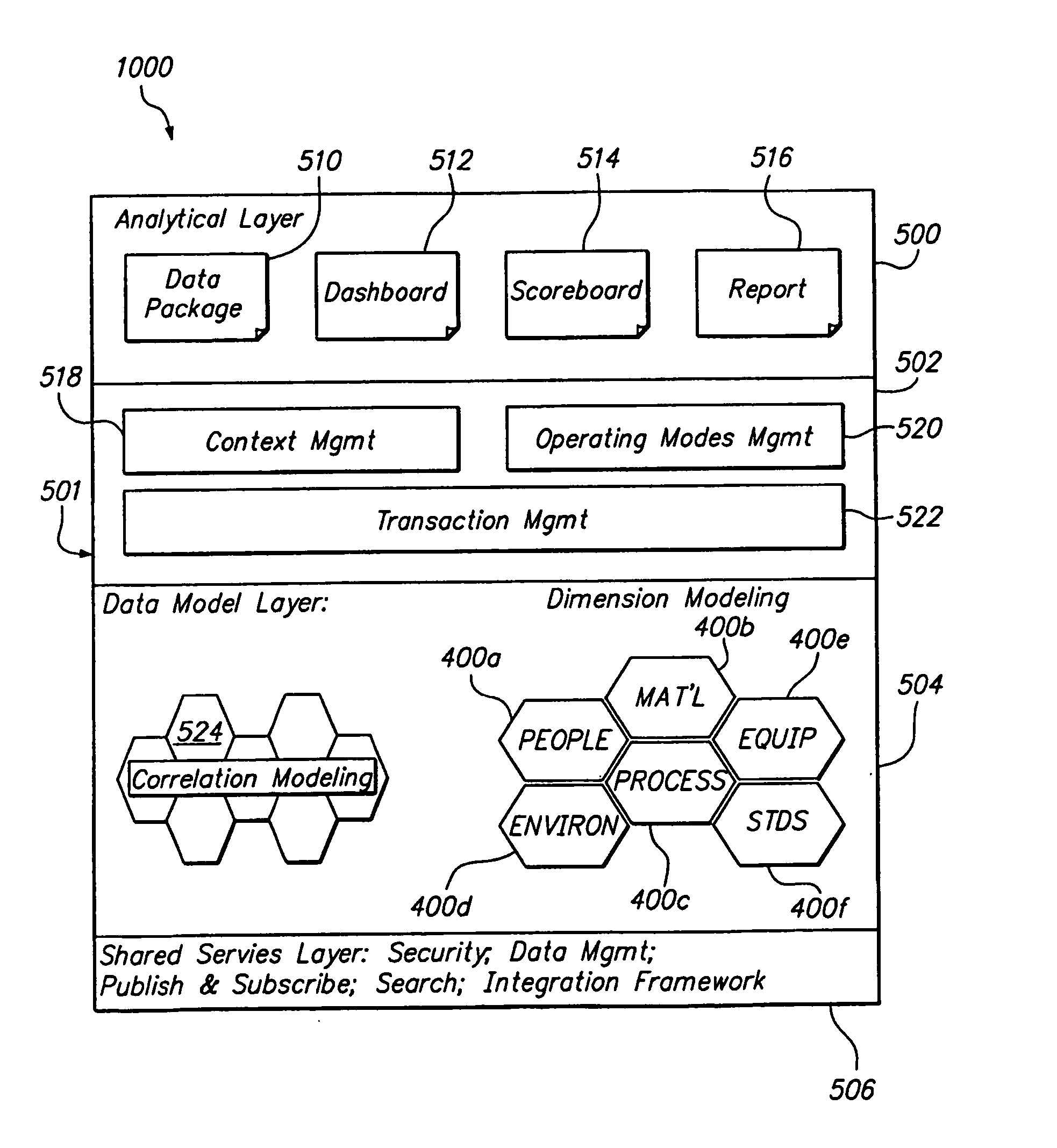
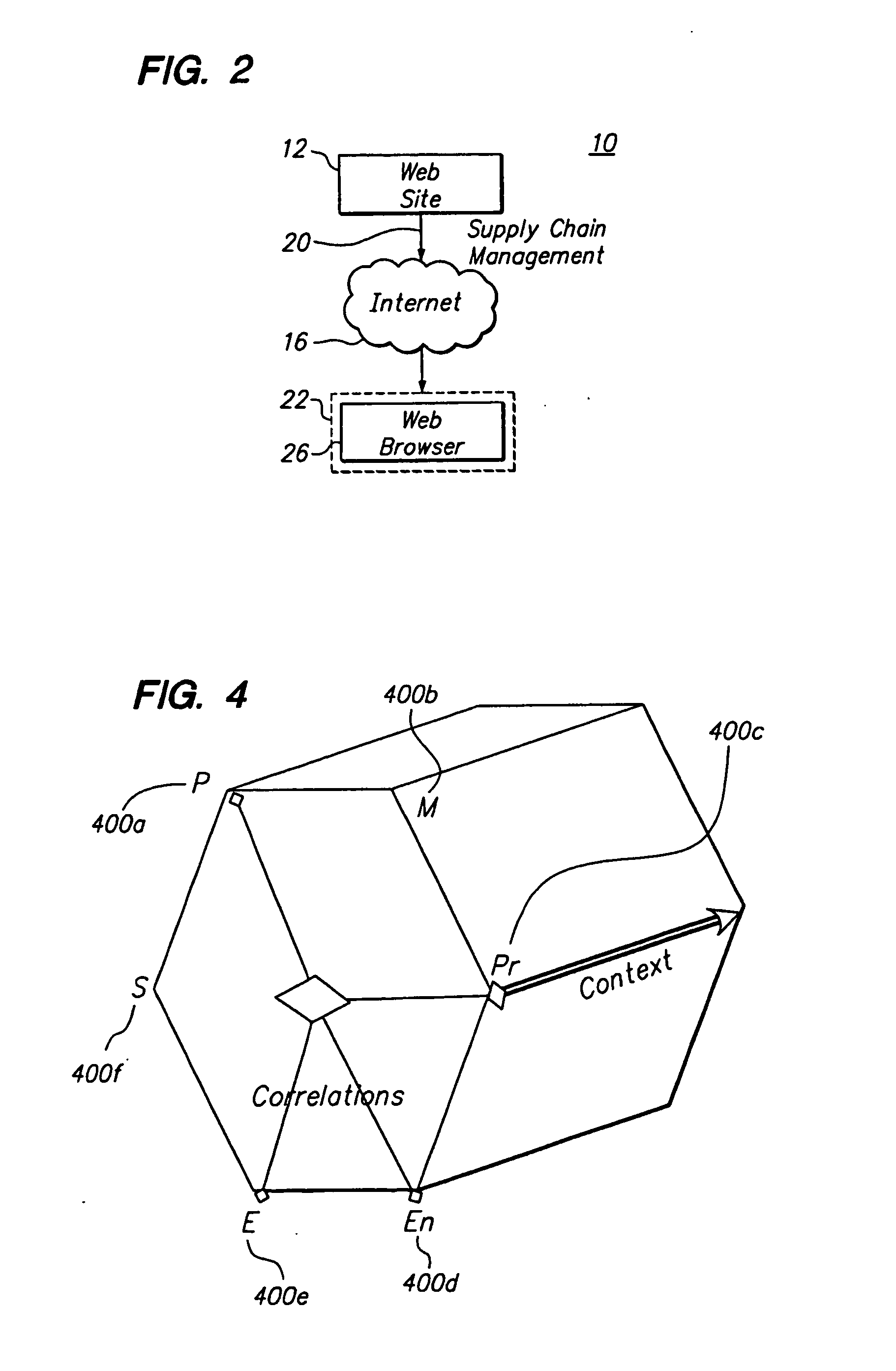
product traceability from one point in time to another along multiple dimensions of: people, process, materials, equipment, standards and environment / facility.
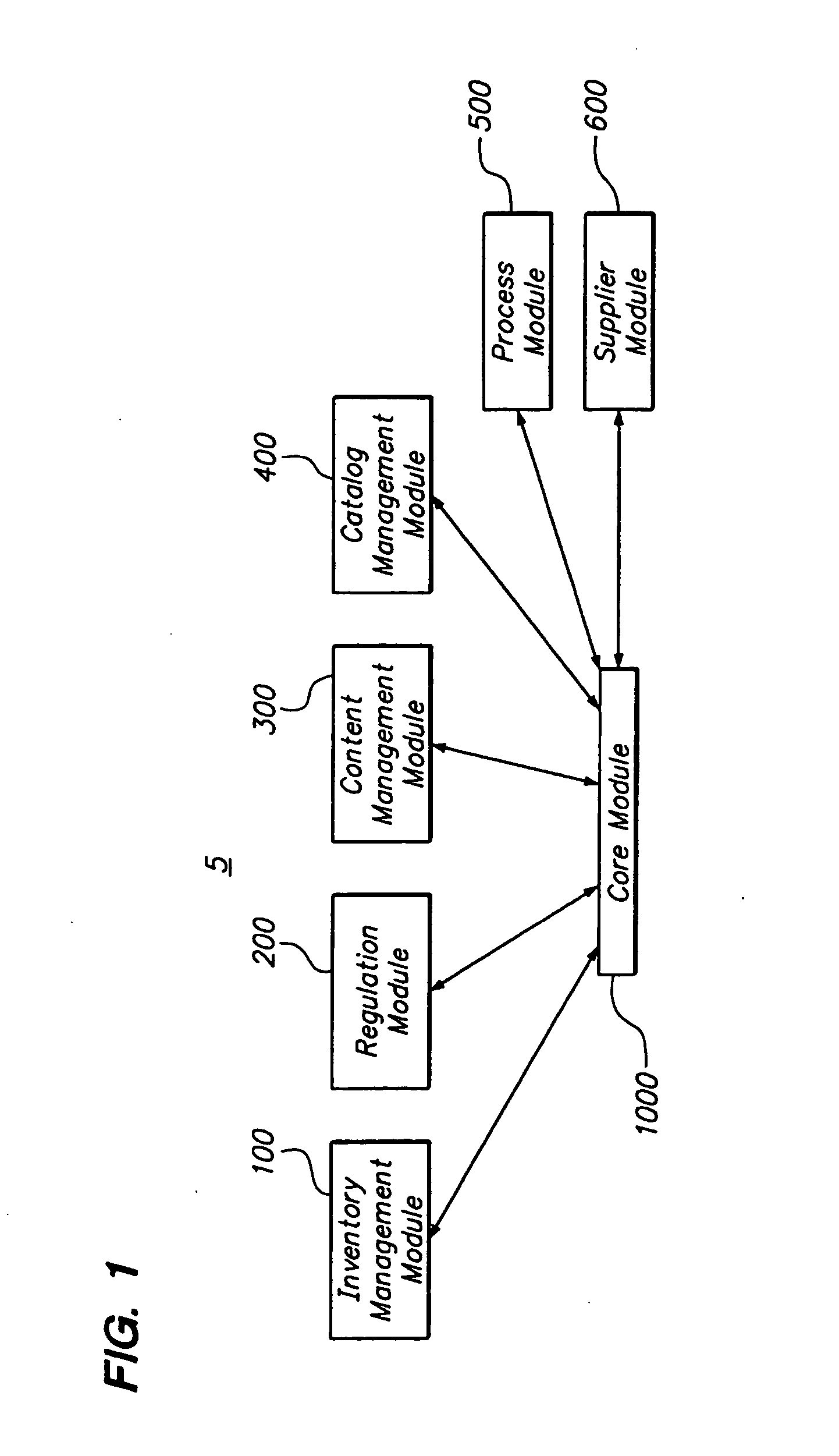
[0018] The system of the present invention through the use of a core platform and modules can provide extensive management of record keeping across multiple dimensions over time. For instance, material management functionality for the
pharmaceutical manufacturing industry is provided by the system and method. Specifically, the
chain of custody for
drug substances can be recorded such as the starting materials, reagents, solvents, intermediates, bulk and final API. The system manages all related information for each
material type (COA's, Specs, etc.). Material
traceability from loading dock to “tablet” is provided by knowing with certainty the who, what, where, when and how of all materials. Furthermore, it is possible to create and locate materials. Requests, orders, inventory, dispense, dispose and transfer of materials are known. The chain of
documentation is also recorded through the use of status, signoff, alerts,
authentication, e-signatures, and
hazard profiles. Similar functionality exists for all dimensions of pharmaceutical development over time (as mentioned above and further explained below).


 Login to View More
  Login to View More