Process for preparing methyllithium
a technology of methyllithium and methyl ether, which is applied in the direction of physical/chemical process catalysts, organic compounds/hydrides/coordination complex catalysts, other chemical processes, etc., can solve the problems of diethyl ether, serious fire and explosion potential, and is not a desirable solvent for industrial-scale reactions,
- Summary
- Abstract
- Description
- Claims
- Application Information
AI Technical Summary
Benefits of technology
Problems solved by technology
Method used
Image

Examples
example 1 (
a-d)
The lithium or lithium sodium dispersions can be used to make perferred embodiments of the methyllithium dispersions of the present invention. They may also be used to make other alkyllithium products, for example, dispersions used for the production of n-butyllithium in hexane (NBH) are prepared as follows:
The following amounts of ingredients are charged to a disperser:
Lithium66lbsSodium55lbsHeptane used in Disperser70gallonsor 385lbsLinseed Oil1,500ml or3.04lbs
The disperser is heated to a temperature sufficient to melt the metals. Agitation is commenced at a speed of approximately 1425 rpm, and increased to 3450 rpm to produce a dispersion having lithium and sodium droplets averaging from 10-60 microns in size as determined by a Coulter LS230 laser diffraction unit with kerosene. The quantity of linseed oil reflects the amount which would be used if the entire 70 gallons of heptane was virgin heptane.
Most of the heptane used to prepare the dispersion is supplied from a previou...
example 2 (
a-d)
Dispersion used for the production of n-butyllithium in cyclohexane (NBC) are prepared as follows:
The following amounts of ingredients are charged to a disperser:
Lithium72lbsSodium40lbsHeptane used in Disperser70gallonsor 385lbs.Linseed Oil1,500mlor 3.04lbs
The quantity of linseed oil, the screening / filtration and reuse of the heptane, and the temperature and speeds of agitation used in the disperser, are the same as in Example 1.
The dispersion is then transferred to the exchange tank where the heptane / linseed oil are removed from the metal spheres and spheroids, and the metals are washed with cyclohexane, and then resuspended in approximately 50 gallons of cyclohexane. The cyclohexane / lithium dispersion is then used to make alkyllithium products.
example 3 (
a-d)
Dispersions used for the production of sec-butyllithium in cyclohexane (SEC) are prepared as follows:
The following amounts of ingredients are charged to a disperser:
Lithium36lbsSodium5lbsHeptane used in Disperser70gallonsor 385lbs.Linseed Oil1,500mlor 3.04lbs.
The quantity of linseed oil, and screening / filtration and reuse of the heptane, and the temperature and speeds of agitation used in the disperser, are the same as in Example 1.
The dispersion is then transferred to the exchange tank where the heptane / linseed oil are removed from the metal spheres and spheroids, and the metals are washed with cyclohexane, and then resuspended in approximately 50 gallons of cyclohexane. The cyclohexane / lithium dispersion is then used to make alkylithium products.
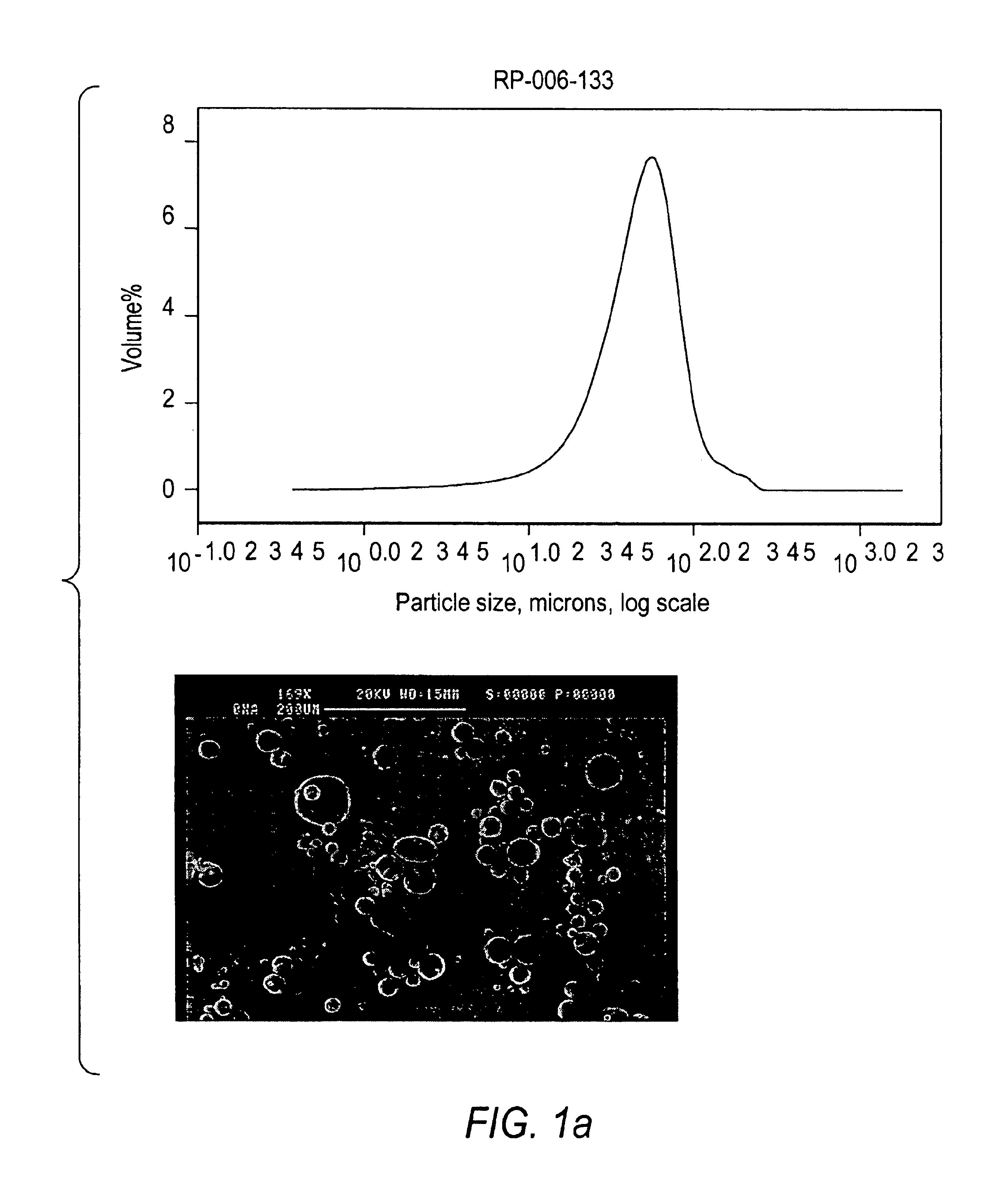
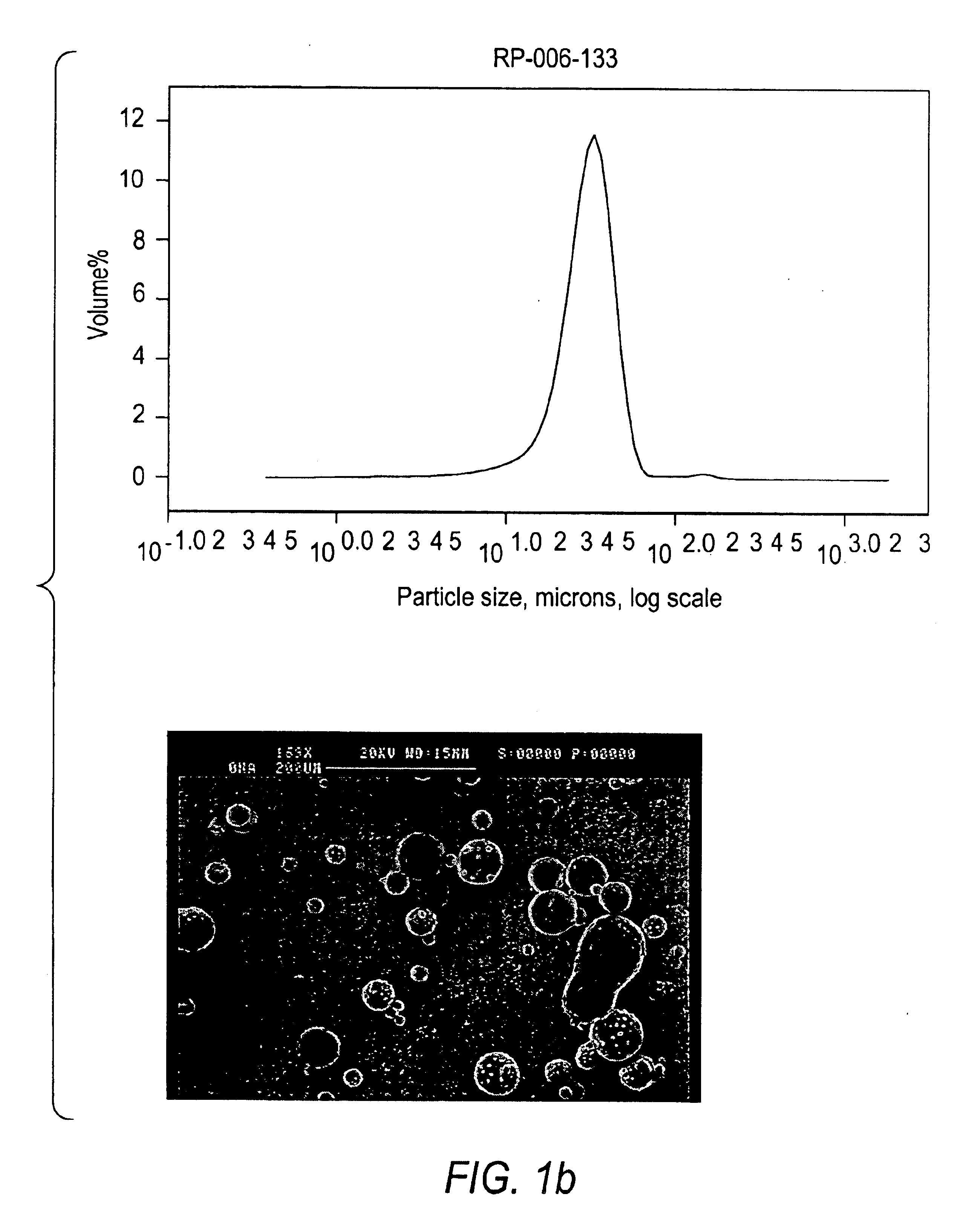
Lithium dispersions prepared according to Examples 1, 2 and 3 were prepared using either cyclohexane or hexane as the second organic liquid. The mean particle size of the lithium particles was determined using a Coulter LS230 laser dif...
PUM
| Property | Measurement | Unit |
|---|---|---|
| temperature | aaaaa | aaaaa |
| particle size | aaaaa | aaaaa |
| particle size | aaaaa | aaaaa |
Abstract
Description
Claims
Application Information
 Login to View More
 - R&D
- Intellectual Property
- Life Sciences
- Materials
- Tech Scout
- Unparalleled Data Quality
- Higher Quality Content
- 60% Fewer Hallucinations
Browse by: Latest US Patents, China's latest patents, Technical Efficacy Thesaurus, Application Domain, Technology Topic, Popular Technical Reports.
© 2025 PatSnap. All rights reserved.Legal|Privacy policy|Modern Slavery Act Transparency Statement|Sitemap|About US| Contact US: help@patsnap.com