Preparation method of titanium modified layer on surface of magnesium and lithium alloy

A technology of magnesium-lithium alloy and modified layer, which is applied in the field of preparation of alloy-titanium modified layer, can solve the problems of poor corrosion resistance of magnesium-lithium alloy

CN102345103AInactive Publication Date: 2012-02-08JIAMUSI UNIVERSITY
1 Cites 9 Cited by

Patent Information

Authority / Receiving Office
CN · China
Patent Type
Applications(China)
Current Assignee / Owner
Publication Date
2012-02-08
Estimated Expiration
Not applicable · inactive patent

Smart Images

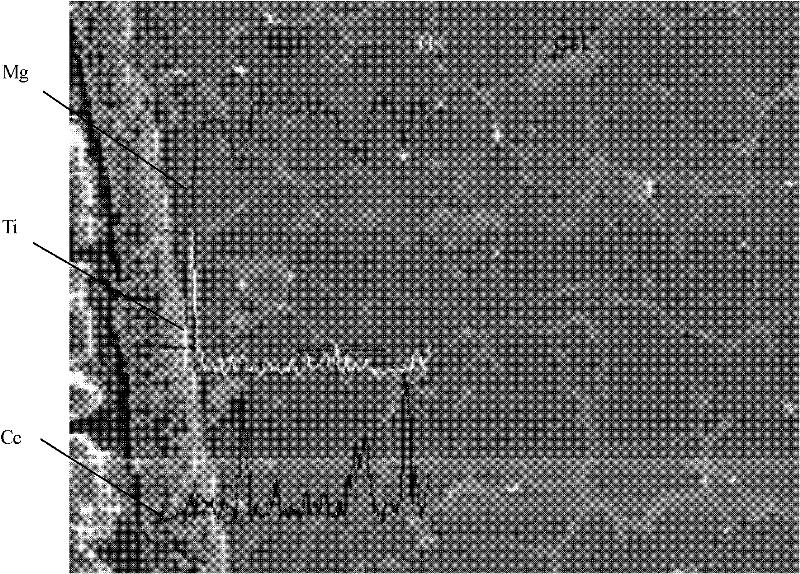
  • Figure 1
    Figure 1
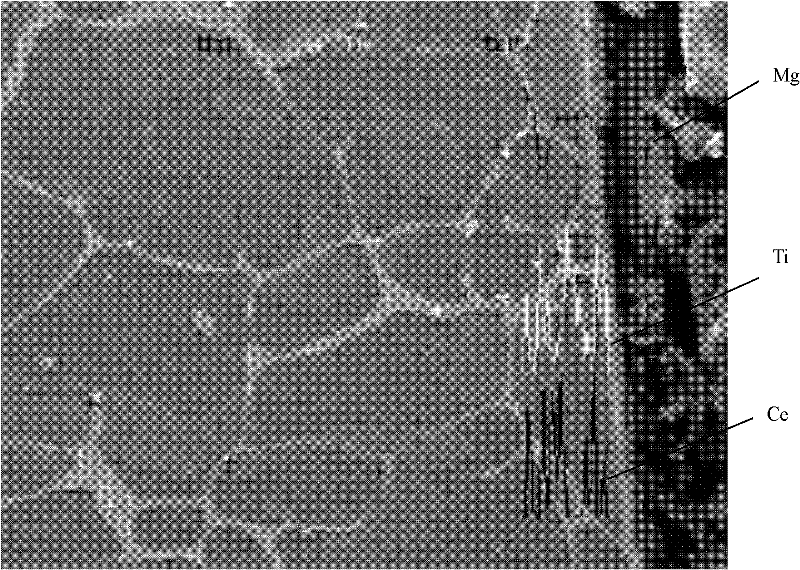
  • Figure 2
    Figure 2
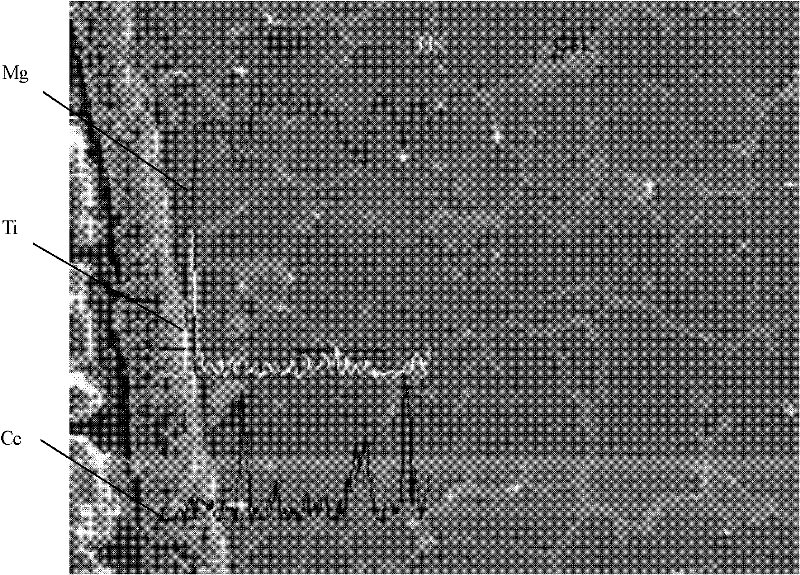
  • Figure 3
    Figure 3
Patent Text Reader

Abstract

The invention discloses a preparation method of a titanium modified layer on the surface of a magnesium and lithium alloy, and relates to a preparation method of an alloy titanium modified layer. The invention aims to solve the technical problem of poor corrosion resistance of the traditional magnesium and lithium alloy. The preparation method comprises the steps of: firstly, grinding the surface of the magnesium and lithium alloy by waterproof abrasive paper, then polishing, ultrasonically cleaning in acetone (analytically pure), ultrasonically cleaning in absolute ethyl alcohol, and drying; and secondly, placing a sample table in a vacuum chamber and connecting to the high-voltage pulse output end of a high-voltage pulse power supply, using a commercially pure titanium target as a magnetic control sputtering target material and connecting to the high-power pulse output end of a magnetic control sputtering power supply, then vacuumizing in the vacuum chamber, introducing high-purity argon when the vacuum degree is 4.0*10<-3>Pa, starting the high-voltage pulse power supply, then starting the magnetic control sputtering power supply, building in luminance and pre-ionizing through direct current, regulating working parameters, and carrying out ion injection and deposition, thereby obtaining the titanium modified layer on the surface of the magnesium and lithium alloy. According to the method disclosed by the invention, the titanium layer is formed on the surface of the magnesium alloy, and the surface hardness of the magnesium alloy is improved by about 40%.
Need to check novelty before this filing date? Find Prior Art

Description

technical field

[0001] The invention relates to a preparation method of an alloy titanium modified layer; in particular, it relates to a preparation method of a magnesium-lithium alloy surface titanium modified layer. Background technique

[0002] Magnesium-lithium alloy is the lightest metal structure material, not only has high specific stiffness and good machinability, but also has good magnetic shielding, shockproof and other properties. It has been widely used in the communication electronics industry, military industry and aerospace fields. Poor corrosion resistance is a major factor restricting the application of magnesium-lithium alloys. The chemical properties of magnesium-lithium alloys are more active than other magnesium alloys, because Li itself is very active, and because Li increases the chemical activity of Mg in Mg. Magnesium-lithium alloys are highly sensitive to stress corrosion in humid atmospheres, and severe corrosion will also occur when placed in th...

Examples

specific Embodiment approach 1

[0010] Specific embodiment one: the preparation method of magnesium-lithium alloy surface titanium modified layer in the present embodiment is carried out according to the following steps: one, successively use 240 # 、600 # 、1000 # , 1500 # and 1000 # Grind the surface of the magnesium-lithium alloy with water sandpaper, then polish it, put it in acetone analytically pure medium for ultrasonic cleaning, then put it in absolute ethanol for ultrasonic cleaning, and dry it; The sample stage is connected to the high-voltage pulse output end of the high-voltage pulse power supply, and the industrial pure titanium target with a purity of 99.9% (quality) is used as the magnetron sputtering target and connected to the high-power pulse output end of the magnetron sputtering power supply. Then the vacuum chamber is evacuated until the vacuum degree is 4.0×10 -3 Inject high-purity argon gas at Pa, turn on the high-voltage pulse power supply, then turn on the magnetron sputtering powe...

specific Embodiment approach 2

[0012] Embodiment 2: This embodiment differs from Embodiment 1 in that: the time for ultrasonic cleaning in step 1 is 10-30 minutes, the frequency of ultrasonic waves is 20 kHz, and the power of ultrasonic waves is 200 W. Other steps and parameters are the same as in the first embodiment.

specific Embodiment approach 3

[0013] Embodiment 3: This embodiment differs from Embodiment 2 in that: the ultrasonic cleaning time in Step 1 is 20 minutes. Other steps and parameters are the same as those in Embodiment 1 or Embodiment 2.