

Electronic mediator type enzymatic electrochemical immunodetection method of p53 protein
A detection method and electrochemical technology, applied in the direction of material electrochemical variables, measuring devices, scientific instruments, etc., to achieve the effects of wide linear range, low detection limit, and high sensitivity
- Summary
- Abstract
- Description
- Claims
- Application Information
AI Technical Summary
Problems solved by technology
Method used
Image

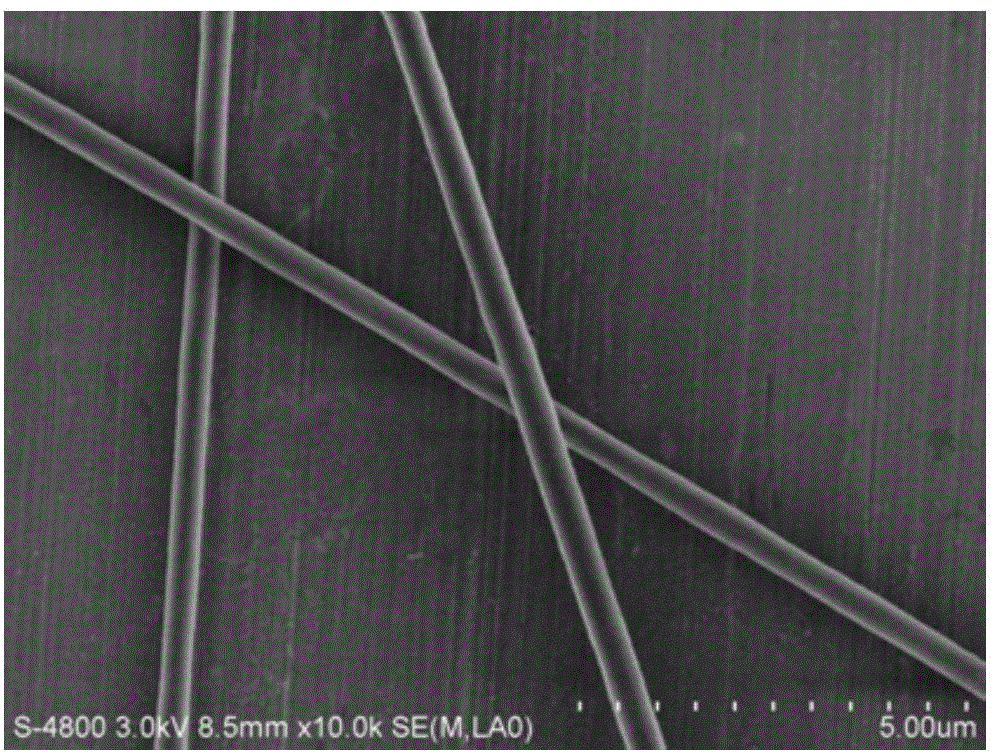
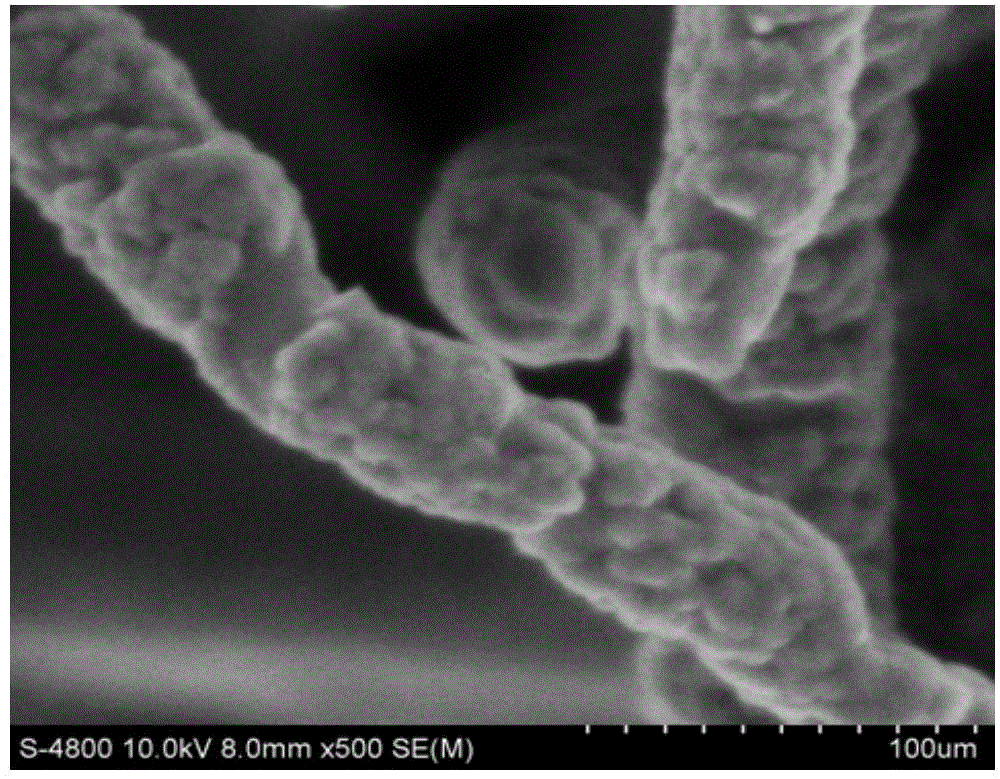
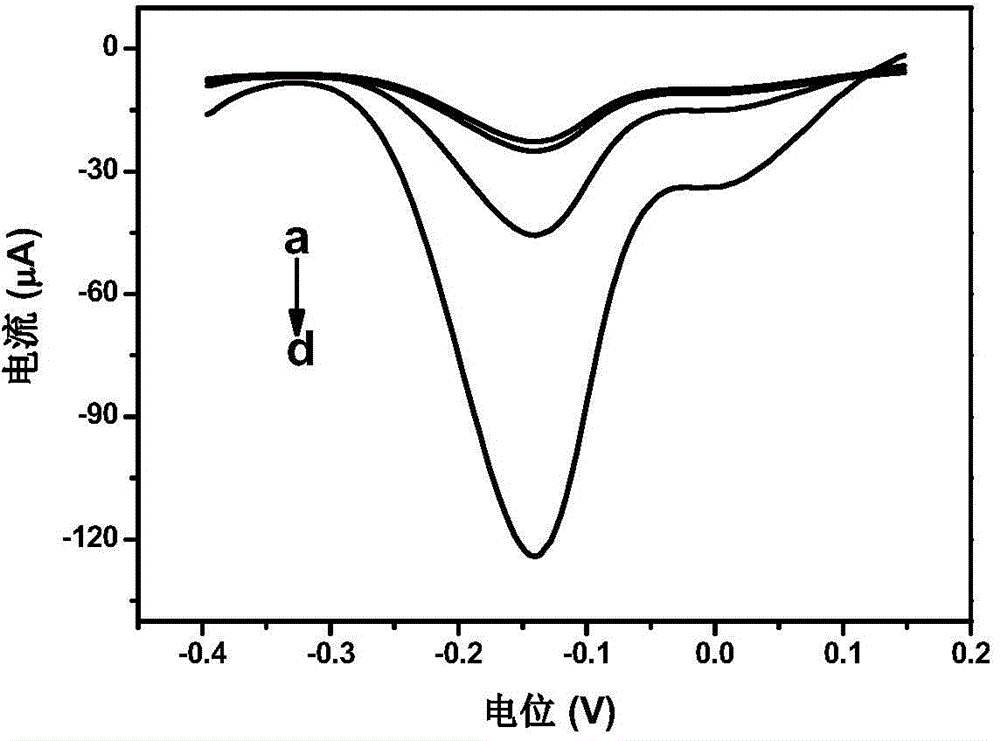
Examples
Embodiment
[0057] (1) Preparation of immune molecule immobilized active interface:
[0058] 3.2 g of nylon 6 (PA6, viscosity 2.2) and 5 mg of carboxylated multi-walled carbon nanotubes (MWCNTs) were dissolved in 10 mL of mixed solvent (m-cresol:formic acid=6:4, v / v), and the mixture Stirring was continued at room temperature for 12 hours to obtain a homogeneous and transparent precursor electrospinning solution.
[0059] During electrospinning, the uniform and transparent precursor electrospinning solution prepared above is placed in a syringe, the positive electrode of the high-voltage electrostatic generator is connected to the needle of the syringe, the negative electrode is connected to a clean bare electrode, and a micro-syringe pump is used to supply the liquid. The high-voltage static electricity generated by the high-voltage electrostatic generator is directly applied to the needle of the syringe, and the composite nanofibers (PA6-MWNTs) are collected on the bare electrode;
[0...
PUM
 Login to View More
 Abstract
Description
Claims
Application Information
 Login to View More