

Graphene conductive paste for textile-based sensor and preparation method of graphene conductive paste
A conductive paste, graphene technology, applied in conductive materials dispersed in non-conductive inorganic materials, cable/conductor manufacturing, circuits, etc. Discounts and other issues to achieve the effect of improving electrical conductivity, good adhesion, and improved water washability
- Summary
- Abstract
- Description
- Claims
- Application Information
AI Technical Summary
Problems solved by technology
Method used
Image

Examples
Embodiment 1
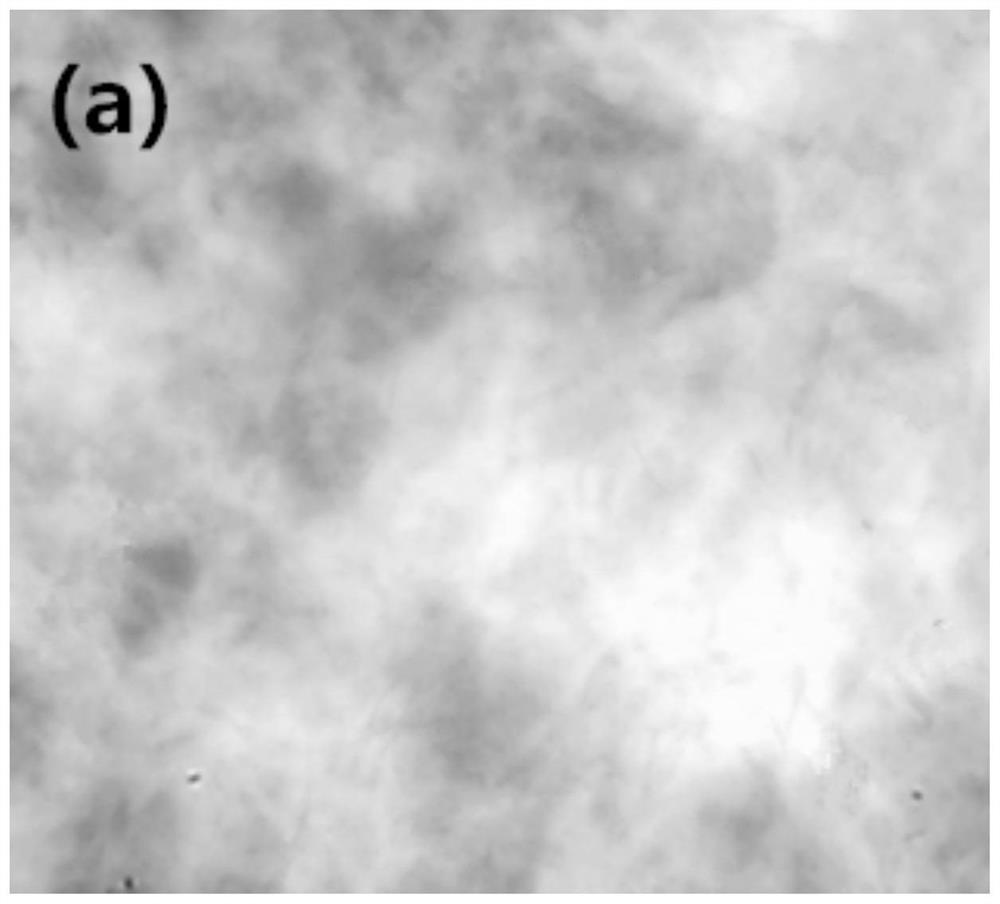
[0027] like figure 1 Shown, a kind of graphene conductive paste for textile-based sensor, graphene conductive paste is prepared by blending graphene solution and water-soluble polyurethane solution in a certain proportion, graphene conductive paste is graphene / The effective content ratio of polyurethane is 1% solution. The graphene solution is prepared by adding a reducing agent to the graphene oxide solution and adding a dispersant during the reduction process, and the concentration of the graphene solution is 1% by mass.
[0028] In this embodiment, the mass percent concentration of the reducing agent is 1%, the mass percent concentration of the dispersant is 0.25%, and the solvent of the graphene conductive paste is ionized water. Wherein, the reducing agent is hydrazine, and the dispersing agent is polyethylpyrrolidone K90 (PVP).
[0029] A method for preparing a graphene conductive paste for textile-based sensors, comprising the steps of:
[0030] (1) adopt improved H...
Embodiment 2
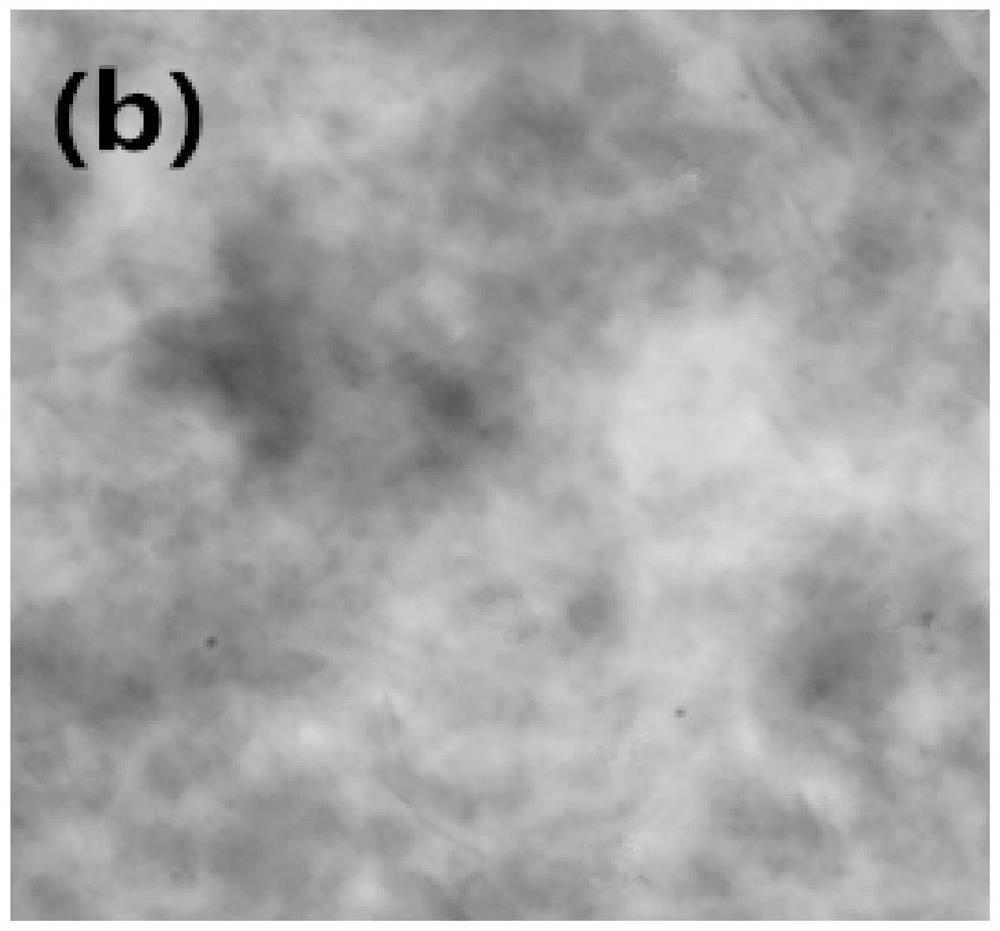
[0035] like figure 2 Shown, a kind of graphene conductive paste for textile-based sensor, graphene conductive paste is prepared by blending graphene solution and water-soluble polyurethane solution in a certain proportion, graphene conductive paste is graphene / The effective content ratio of polyurethane is 2% solution. The graphene solution is prepared by adding a reducing agent to the graphene oxide solution and adding a dispersant during the reduction process, and the concentration of the graphene solution is 2% by mass.
[0036] In this embodiment, the mass percent concentration of the reducing agent is 1%, the mass percent concentration of the dispersant is 0.25%, and the solvent of the graphene conductive paste is ionized water. Wherein, the reducing agent is methylhydrazine, and the dispersing agent is polyethylpyrrolidone K90 (PVP).
[0037] A method for preparing a graphene conductive paste for textile-based sensors, comprising the steps of:
[0038] (1) adopt imp...
Embodiment 3
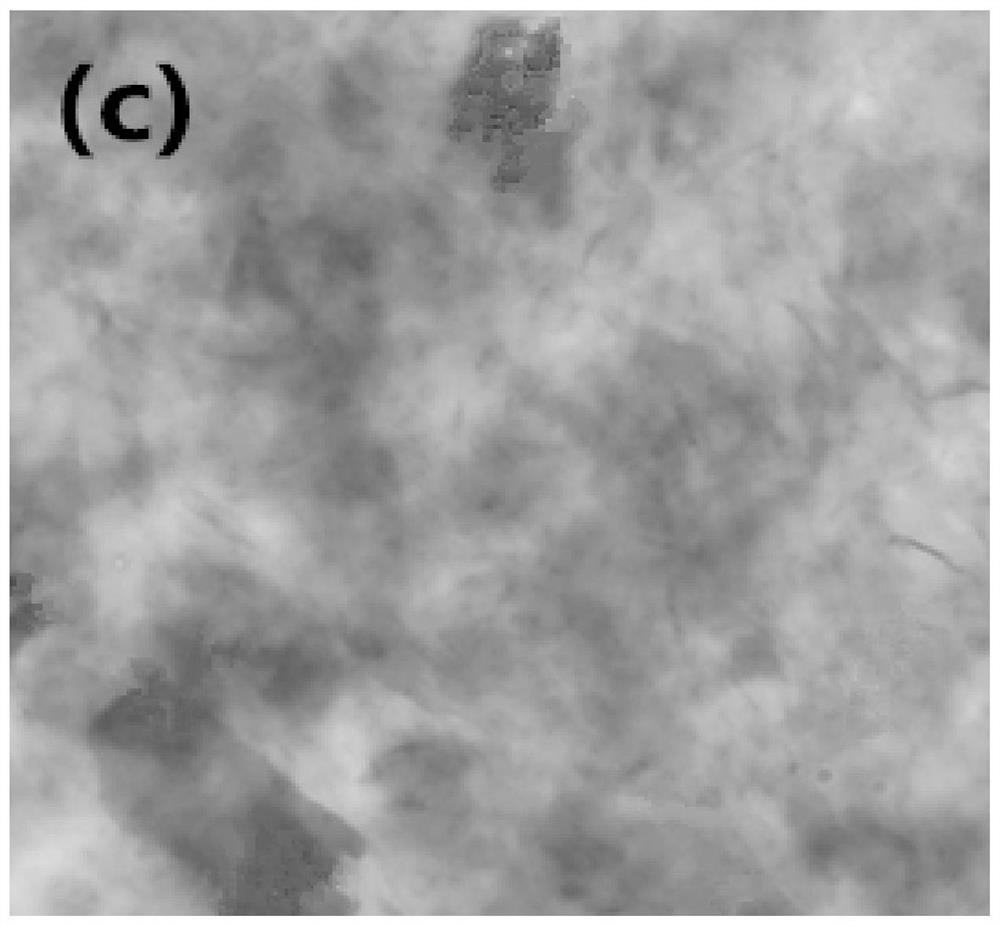
[0043] like image 3 Shown, a kind of graphene conductive paste for textile-based sensor, graphene conductive paste is prepared by blending graphene solution and water-soluble polyurethane solution in a certain proportion, graphene conductive paste is graphene / The effective content ratio of polyurethane is 4% solution. The graphene solution is prepared by adding a reducing agent to the graphene oxide solution and adding a dispersant during the reduction process, and the concentration of the graphene solution is 5% by mass.
[0044] In this embodiment, the mass percent concentration of the reducing agent is 1%, the mass percent concentration of the dispersant is 0.25%, and the solvent of the graphene conductive paste is ionized water. Wherein, the reducing agent is NaOH, and the dispersing agent is polyvinylpyrrolidone K90 (PVP).
[0045] A method for preparing a graphene conductive paste for textile-based sensors, comprising the steps of:
[0046] (1) adopt improved Hummer...
PUM
 Login to View More
 Abstract
Description
Claims
Application Information
 Login to View More