Inflammation is believed to be the underlying problem of compromised health conditions in an aging
population, and is an important health care problem around the world.
Inflammation of particular organ systems may lead to more serious symptoms, such as shortness of breath,
asthma, high
blood pressure,
kidney failure, or cramping.
Hyperinflammed states in the elderly result in a compromised immune
cascade and response that in turn may result in co-morbidities and a reduction in the ability of the individual to remain healthy.
Inflammation may also contribute to the early stages of
cognitive decline and, as observed in an elderly hospitalized
patient group in the acute care state, leads to greater infectious complications and compromises patient outcomes.
The increased presence of inflammatory mediators during the aging process puts the aged body in a state of constant, low-grade
inflammation, compromising health and threatening life.
Chronic inflammation causes numerous adverse side effects.
Chronic inflammation is also believed to accelerate
muscle breakdown when the supply of
protein and energy from the diet is insufficient to meet the body's demand.
Consequently, the
peripheral muscles shrink and the elderly person experiences unintentional loss of weight and
muscle strength.
Observation of hospitalized elderly patients has revealed these patients are also in a hyperinflammed state which in turn puts them at greater
risk of infection, infectious complications, and prolonged
recovery and delayed release from the hospital.
The nutritional practices and habits of the elderly often fail the recommended dietary guidelines, such that
nutrient deficiencies and
malnutrition often contribute to physiological changes and a compromised immune
response system.
More specifically, the amount of
protein and fat consumed may decrease by up to about 40% such that minimum energy requirements of the elderly can not be met.
Under conditions of inadequate
nutrient availability, the body will catabolize
peripheral muscle as a source of
protein to provide the body with amino acids and energy, resulting in muscle
wasting.
Muscle protein synthesis is believed to be 30% lower in older adults, making the ability to regenerate
skeletal muscle following injury or overload difficult with age.
Thus, it is more difficult for elderly persons to reverse the effects of protein-energy
malnutrition and regain muscle lost due to the stress of acute or chronic conditions.
With protein undernutrition, availability of the essential amino acids is limited and adequate protein synthesis rates to maintain
body weight is not possible.
Recent studies have suggested that that when macronutrient deficiencies in protein and fat occur, protein synthetic rates are compromised.
Another common problem in the elderly, infection, also causes inflammation.
However,
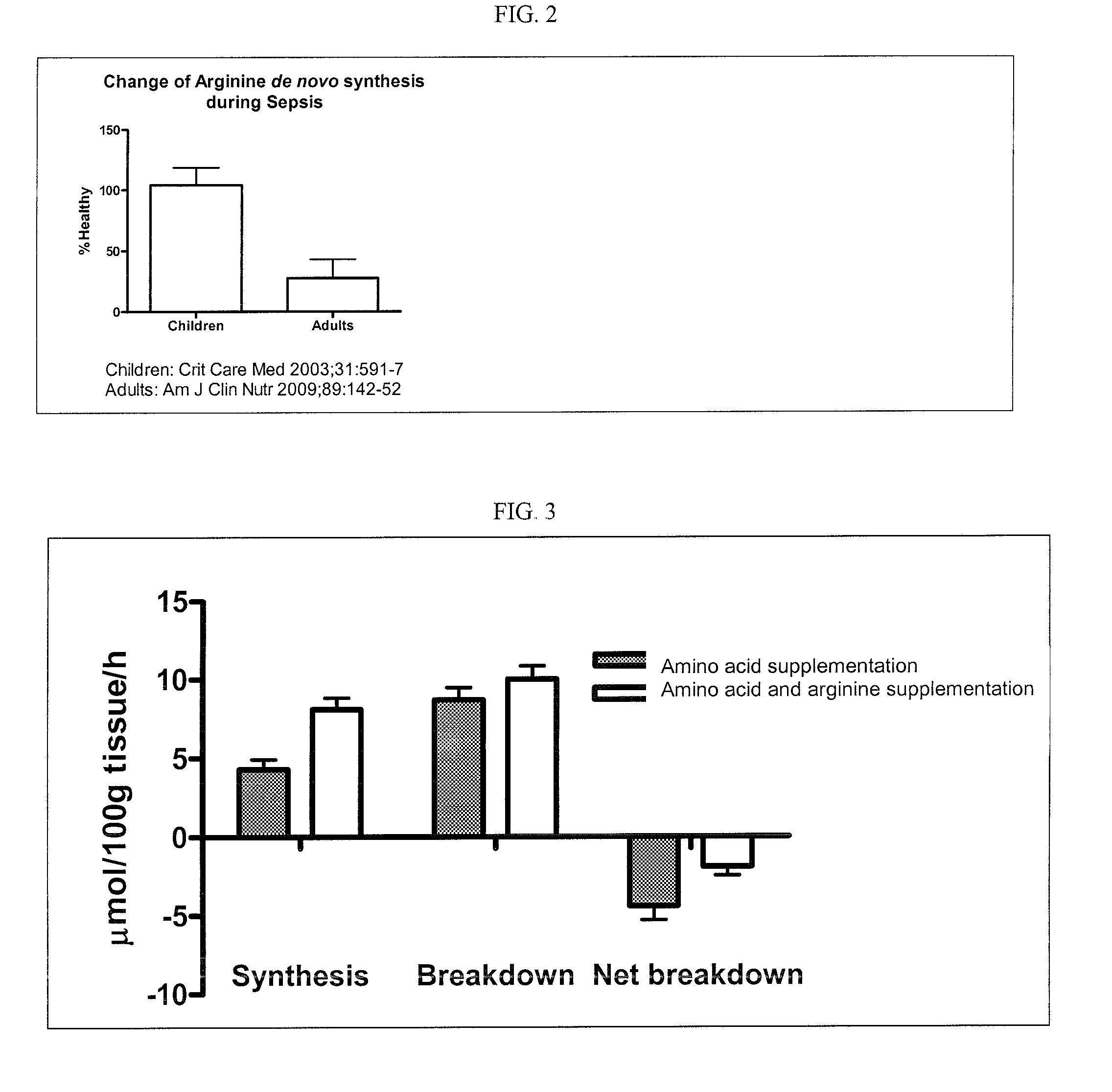
arginine deficiency is very prevalent in the elderly, due to reduced
food intake and other causes.
In addition, the elderly have a reduced capability to produce arginine endogenously.
In certain conditions where the intake of arginine is insufficient to meet requirements, supplementation with arginine may lead to
anabolism, or muscle synthesis.
Another common problem in the elderly, particularly those fighting infection, is
malnutrition or
anorexia.
In response to infection, serum levels of inflammatory mediators may further be elevated and have a negative effect on the
appetite, often causing
anorexia.
When inadequate
nutrient intakes continue for an extended period, a state of undernutrition develops.
Undernutrition is a widespread problem among elderly persons receiving formal
medical care.
It is believed that an approximate 30% reduction in
protein intake by the elderly and corresponding decrease in essential amino acids generates a combined detrimental effect.
These observations on the dietary habits and practices of the elderly suggest that diet alone is not adequate to manage the risk of hyper-inflammation.
Thus, increasing levels of inflammation are believed to increase the risk of
chronic disease and complicate the management of co-morbidities.
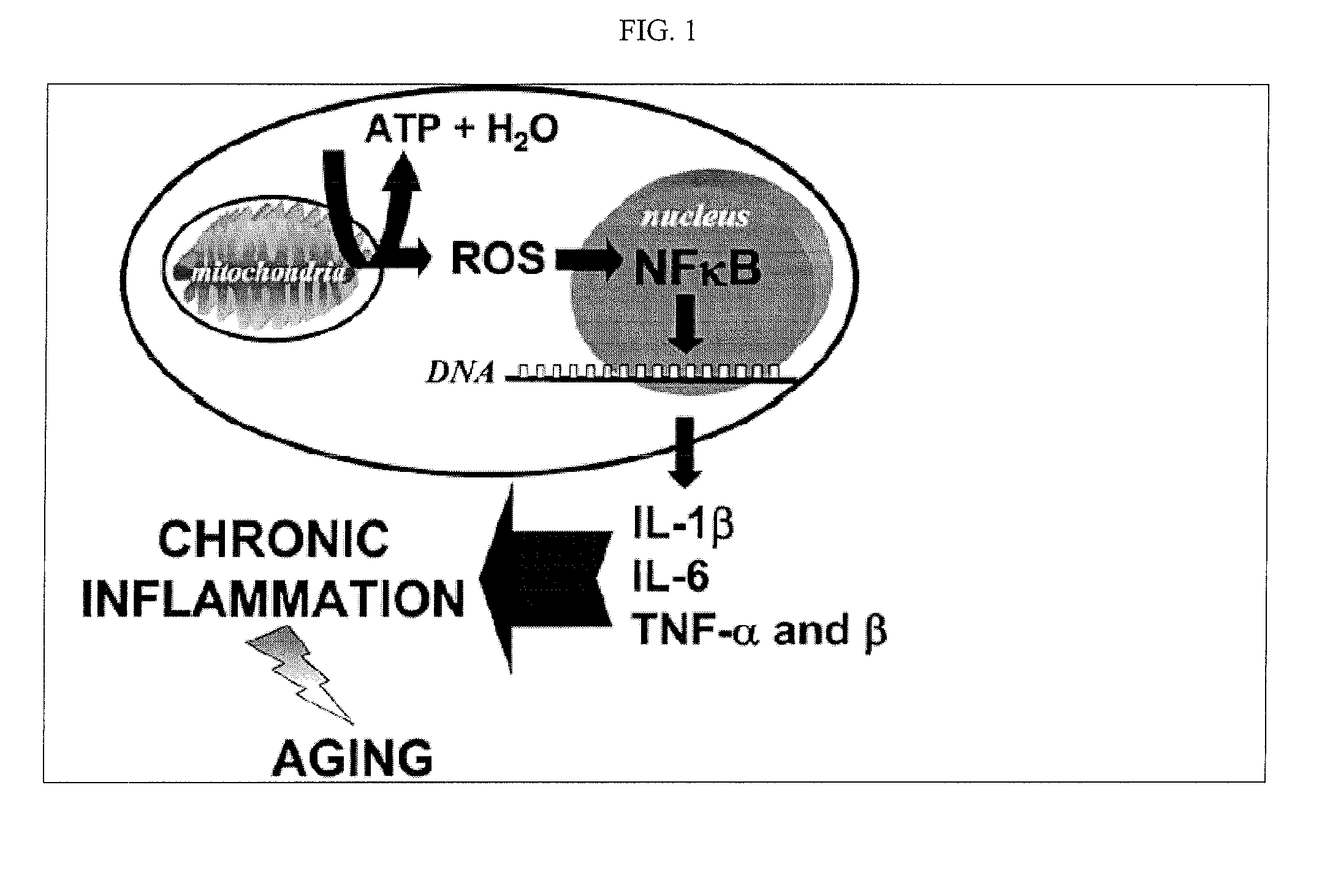
This risk increases with age, as the ability to burn / oxidize fat is impaired, putatively in response to mitochondrial dysfunction.



 Login to View More