
Treatment of non-alcoholic steatohepatitis
a non-alcoholic steatohepatitis and treatment method technology, applied in the direction of peptide/protein ingredients, instruments, metabolic disorders, etc., can solve the problems that the therapeutic drugs against nash are not yet available, and achieve the effect of reducing fibrosis area and lowering nas
- Summary
- Abstract
- Description
- Claims
- Application Information
AI Technical Summary
Benefits of technology
Problems solved by technology
Method used
Image

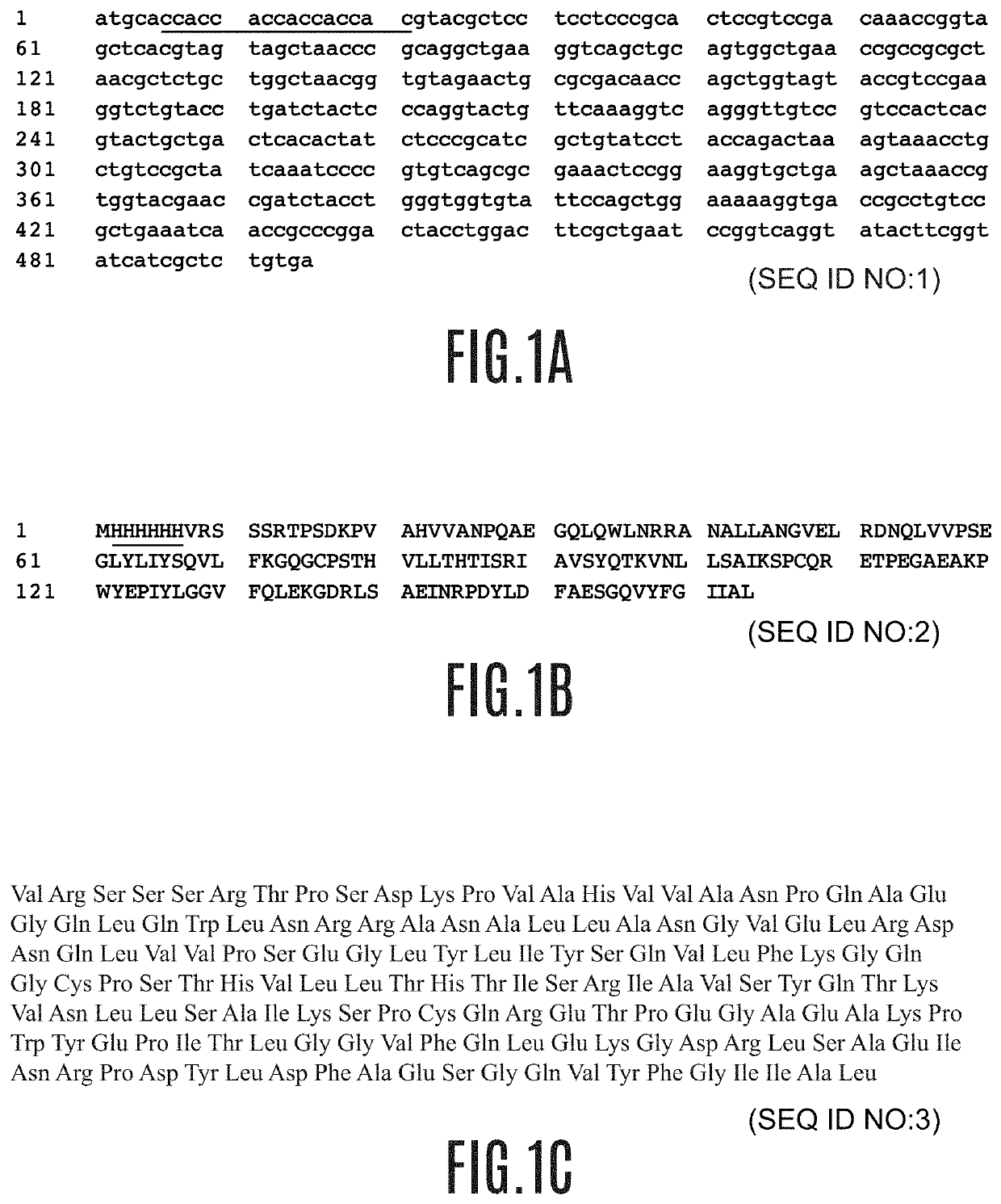
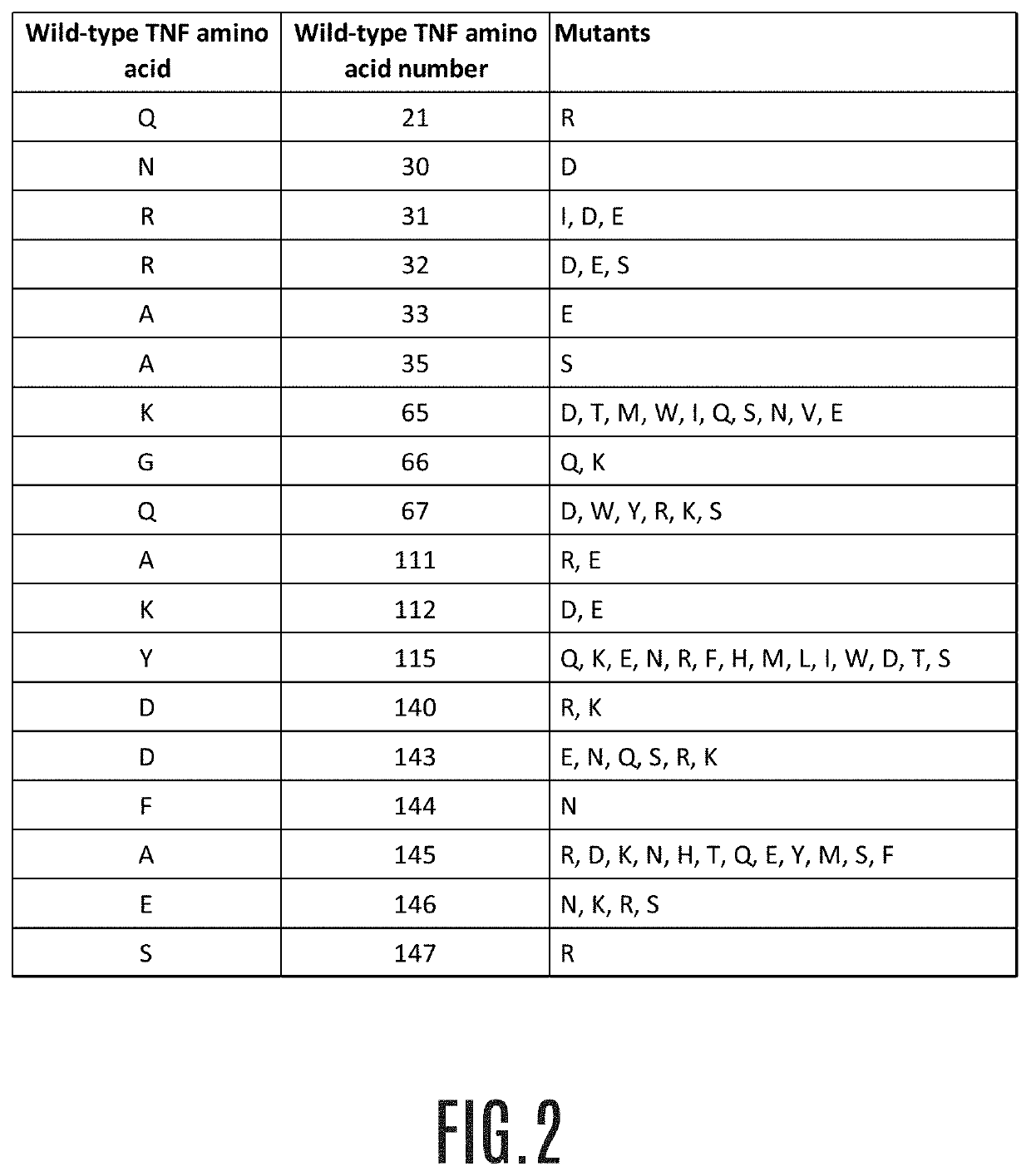
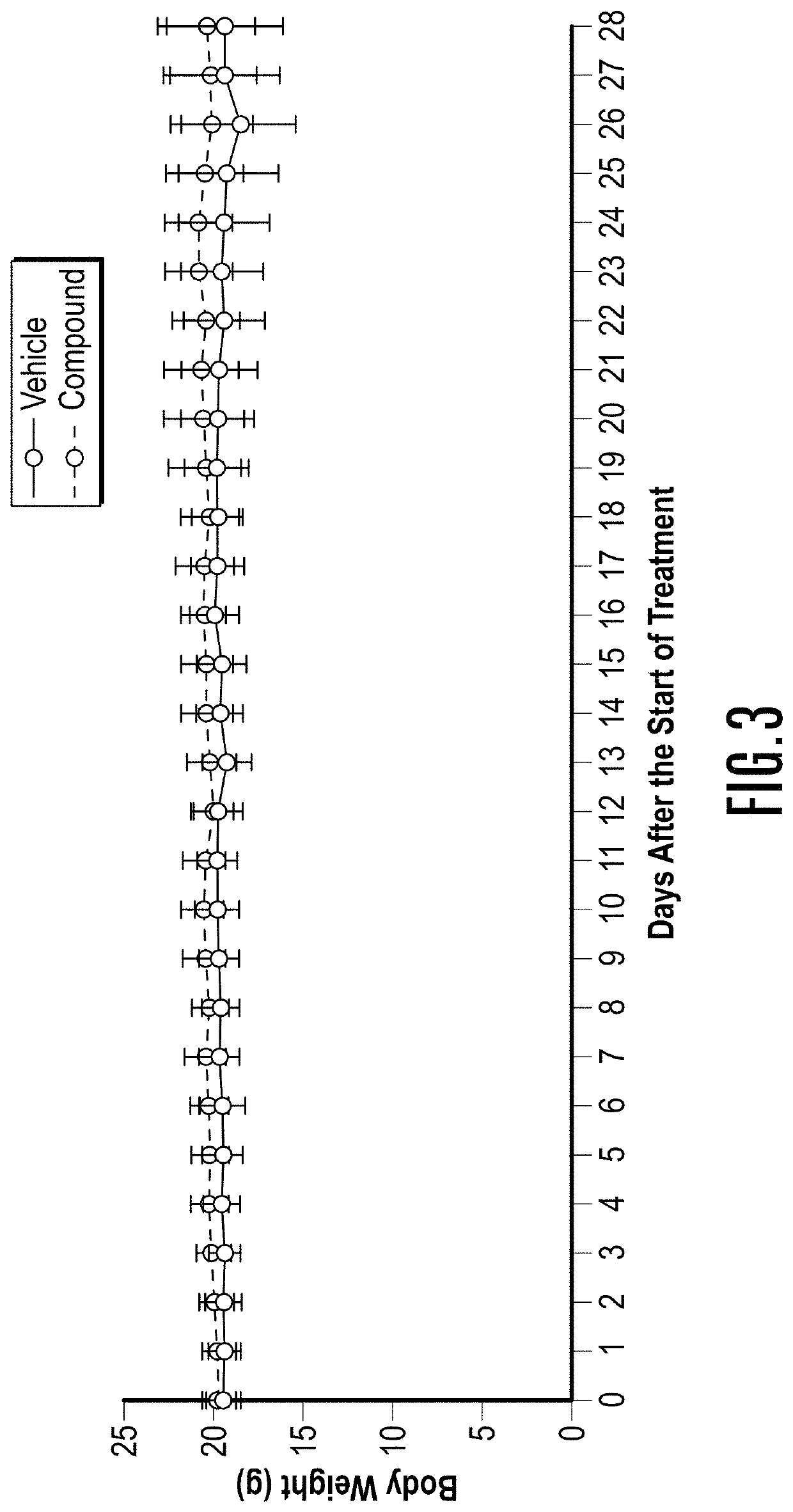
Examples
example 1
f XPRO1595 in STAM Model of NASH
Materials and Methods
[0157]Compound [XPro1595] was provided by INmune Bio International Limited. To prepare dosing solution, Compound was diluted in Vehicle [normal saline].
[0158]NASH was induced in 16 male mice by a single subcutaneous injection of 200 μg streptozotocin (STZ, Sigma-Aldrich, USA) solution 2 days after birth and feeding with high fat diet (HFD, 57 kcal % fat, Cat #HFD32, CLEA Japan, Japan) after 4 weeks of age.
[0159]Compound was administered subcutaneously in a volume of 5 mL / kg.
[0160]Compound was administered at dose of 10 mg / kg twice weekly from 8 to 12 weeks of age.
[0161]C57BL / 6 mice (14-day-pregnant female) were obtained from Japan SLC, Inc. (Japan). All animals used in the study were housed and cared for in accordance with the Japanese Pharmacological Society Guidelines for Animal Use.
[0162]The animals were maintained in a SPF facility under controlled conditions of temperature (23±2° C.), humidity (45±10%), lighting (12-hour arti...
example 2
f XPRO1595 in STAM Model of NASH (Continued)
[0198]In vitro additional analyses were performed to evaluate the effects of Compound in the NASH study of Example 1.
[0199]Liver and serum samples from two groups were used.
[0200]Group 1 (Vehicle): Eight NASH mice were subcutaneously administered Vehicle [normal saline] in a volume of 5 mL / kg twice weekly from 8 to 12 weeks of age.
[0201]Group 2 (Compound): Eight NASH mice were subcutaneously administered Vehicle supplemented with Compound at a dose of 10 mg / kg twice weekly from 8 to 12 weeks of age.
[0202]Serum CK-18 level was quantified by Mouse Cytokeratin 18-M30 ELISA Kit (Cusabio Biotech Co., Ltd, China).
[0203]For immunohistochemistry, sections were cut from frozen liver tissues embedded in Tissue-Tek O.C.T. compound and fixed in acetone. Endogenous peroxidase activity was blocked using 0.03% HB02 for 5 minutes, followed by incubation with Block Ace (Dainippon Sumitomo Pharma Co. Ltd., Japan) for 10 minutes.
[0204]The sections were incub...
PUM
| Property | Measurement | Unit |
|---|---|---|
| Tm | aaaaa | aaaaa |
| temperature | aaaaa | aaaaa |
| temperature | aaaaa | aaaaa |
Abstract
Description
Claims
Application Information
 Login to View More