Method for preparing liquid fuels by self-heating self-circulating thermal cracking of biomass and device thereof

A self-circulating, liquid fuel technology, which is applied in the preparation of liquid hydrocarbon mixtures and the petroleum industry, etc., can solve the problems of lack of technical support for large-scale applications, and achieve the effects of short gas phase residence time, cost reduction, and gas phase residence time avoidance

CN101560405AInactive Publication Date: 2009-10-21顾赛 +1
0 Cites 37 Cited by

Patent Information

Authority / Receiving Office
CN · China
Patent Type
Applications(China)
Current Assignee / Owner
Publication Date
2009-10-21
Estimated Expiration
Not applicable · inactive patent

Smart Images

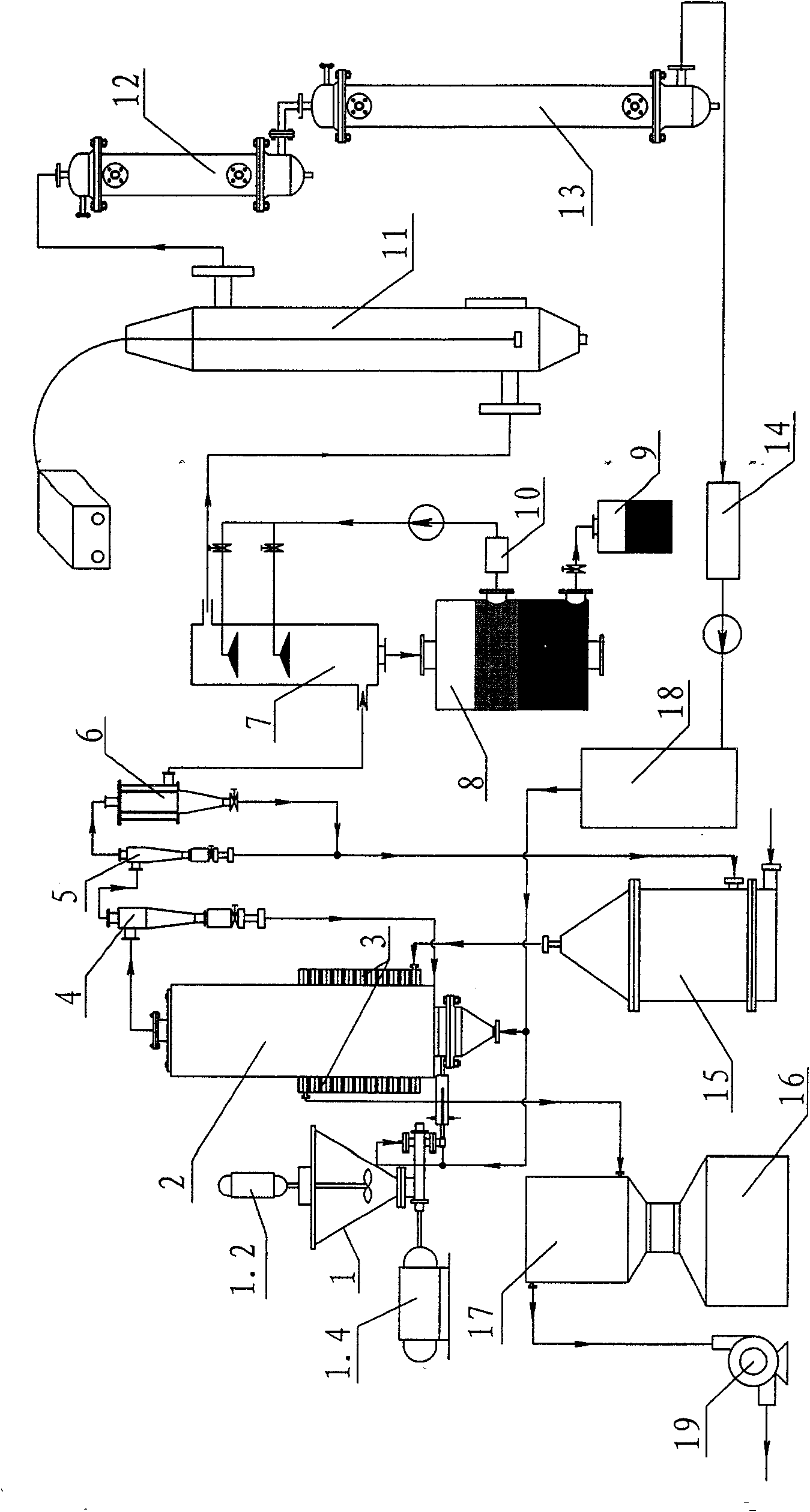
  • Figure 1
    Figure 1
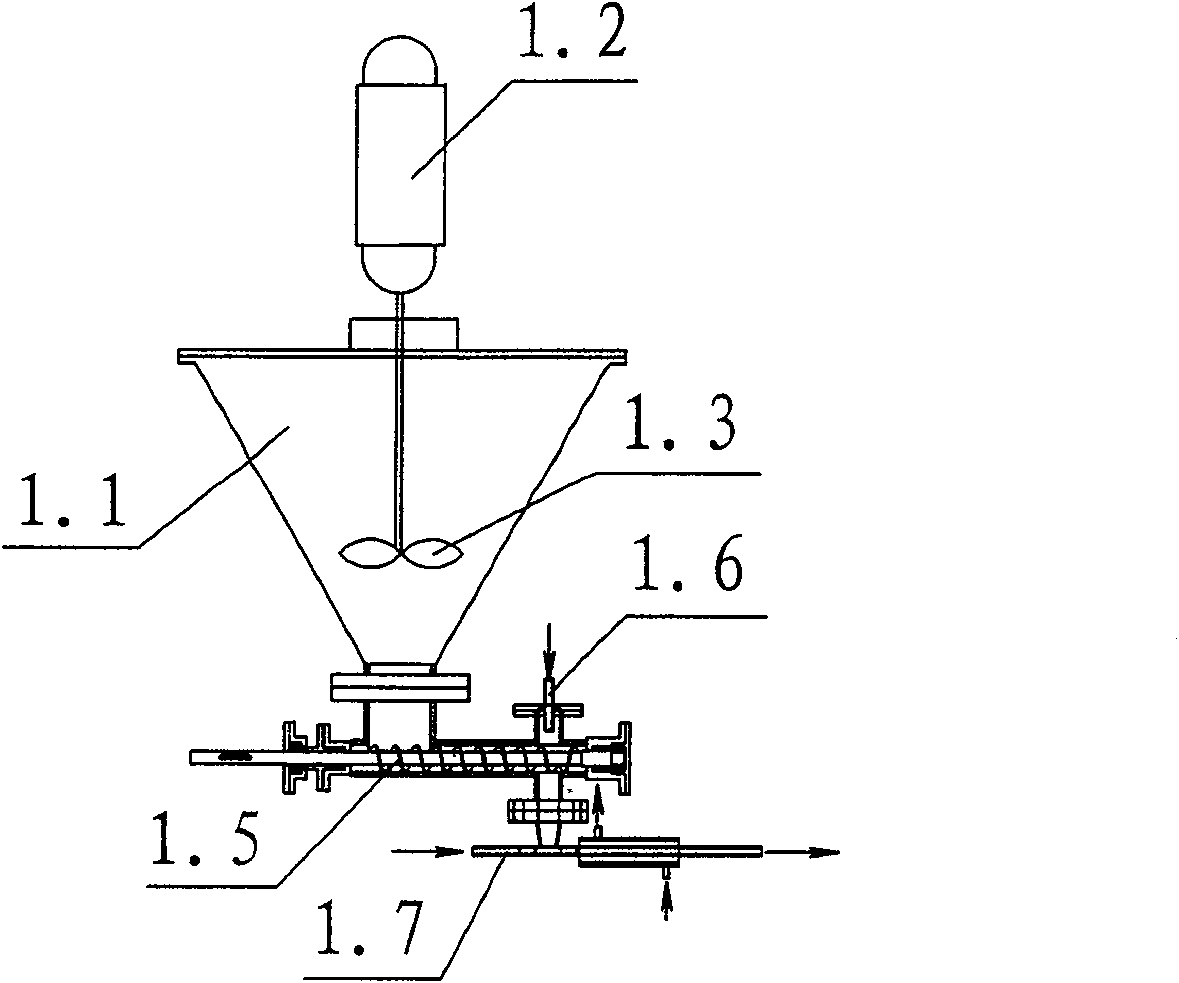
  • Figure 2
    Figure 2
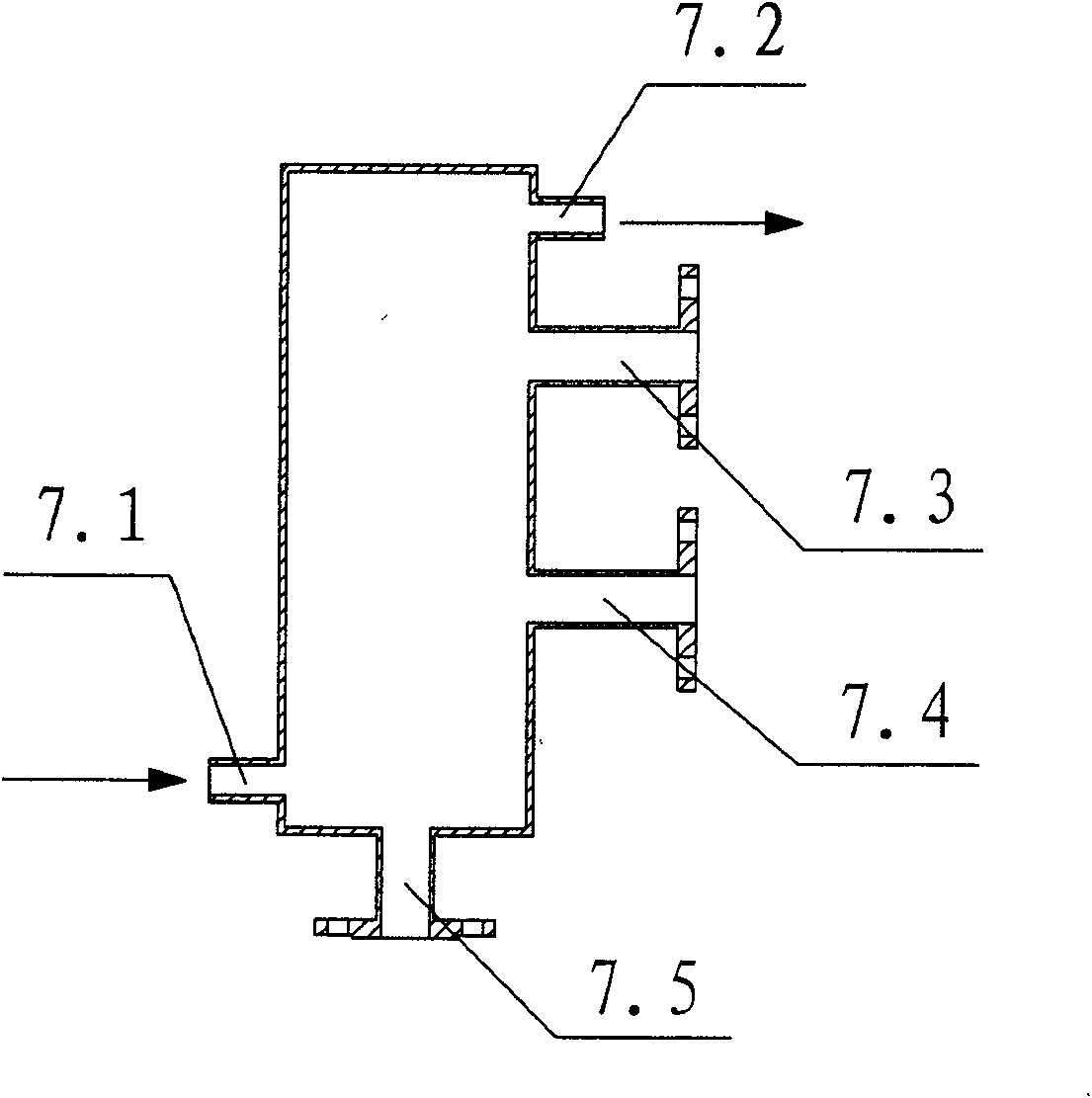
  • Figure 3
    Figure 3
Patent Text Reader

Abstract

The invention relates to a method for preparing liquid fuels by self-heating self-circulating thermal cracking of biomass and a device thereof. Solid substances and carbon can be effectively reclaimed through a two-stage cyclone separator and a carbon filter, most of heavy oil components in thermal cracking volatile components are collected by adopting spray condensing, micro oil drops in the volatile components are further caught by electric catching, light oil components are complementally collected by cooling through a final dividing wall type water cooler, the volatile components are gradually cooled at an inlet of a cooling system at a temperature of 200 DEG C to collect biological oil, and finally, condensable parts in the volatile components are basically collected at an outlet at a temperature of below 30 DEG C. Through quick thermal cracking technology and stepped cooling and collecting processes, cellulose biomass wastes are converted into the liquid fuels of different levels, and simultaneously, volatile gas and coke products in the thermal cracking process are reclaimed and utilized to realize self-heating for a complete thermal cracking system and save cost.
Need to check novelty before this filing date? Find Prior Art

Description

technical field

[0001] The invention relates to a method and a device for preparing liquid fuel by self-heating and self-circulating pyrolysis of biomass. Background technique

[0002] Energy is an important material basis for economic and social development. Since the industrial revolution, the world's energy consumption has increased sharply, fossil energy resources such as coal, oil, and natural gas have been consumed rapidly, and the ecological environment has continued to deteriorate. In particular, greenhouse gas emissions have led to increasingly severe global climate change. , the sustainable development of human society is seriously threatened. Since the 1970s, the idea of ​​sustainable development has gradually become the consensus of the international community. The development and utilization of renewable energy has been highly valued by countries all over the world. Development goals, formulate laws and policies to encourage the development of renewable energy,...

Examples

Embodiment approach

[0058] The biomass raw material is first fed into the hopper 1.1 by means of the traditional feeding method, and the combined feeding device 1 sends the biomass raw material into the fluidized bed reactor 2 connected to it, and the raw material entering the fluidized bed reactor 2 is The phase bed is flash-heated to reach the optimal reaction temperature of about 500°C. The raw material is rapidly decomposed by heat to release volatile matter, and is quickly taken away from the fluidized bed reactor 2 by the fluidized wind within less than 1 second, and pyrolyzed The solid product char is also entrained out of the fluidized bed reactor 2 by air force at the same time. The carbon and volatile matter mixture from the reactor enters the gas-carbon separation system, and the gas-carbon mixture first enters the secondary cyclone separator 5, wherein about 95% of the carbon is separated by the cyclone separator, and the primary cyclone separator 4 The high-temperature solids are dir...