
A method for detecting heavy metal content in polymeric materials
A technology for polymeric materials and chromium content, which is applied in the direction of measuring devices, material separation, and analytical materials, etc., can solve the problems of easy adsorption, volatilization loss, and high experiment cost, so as to avoid adsorption and volatilization loss, high accuracy, and reduce experimental costs. cost effect
- Summary
- Abstract
- Description
- Claims
- Application Information
AI Technical Summary
Problems solved by technology
Method used
Image

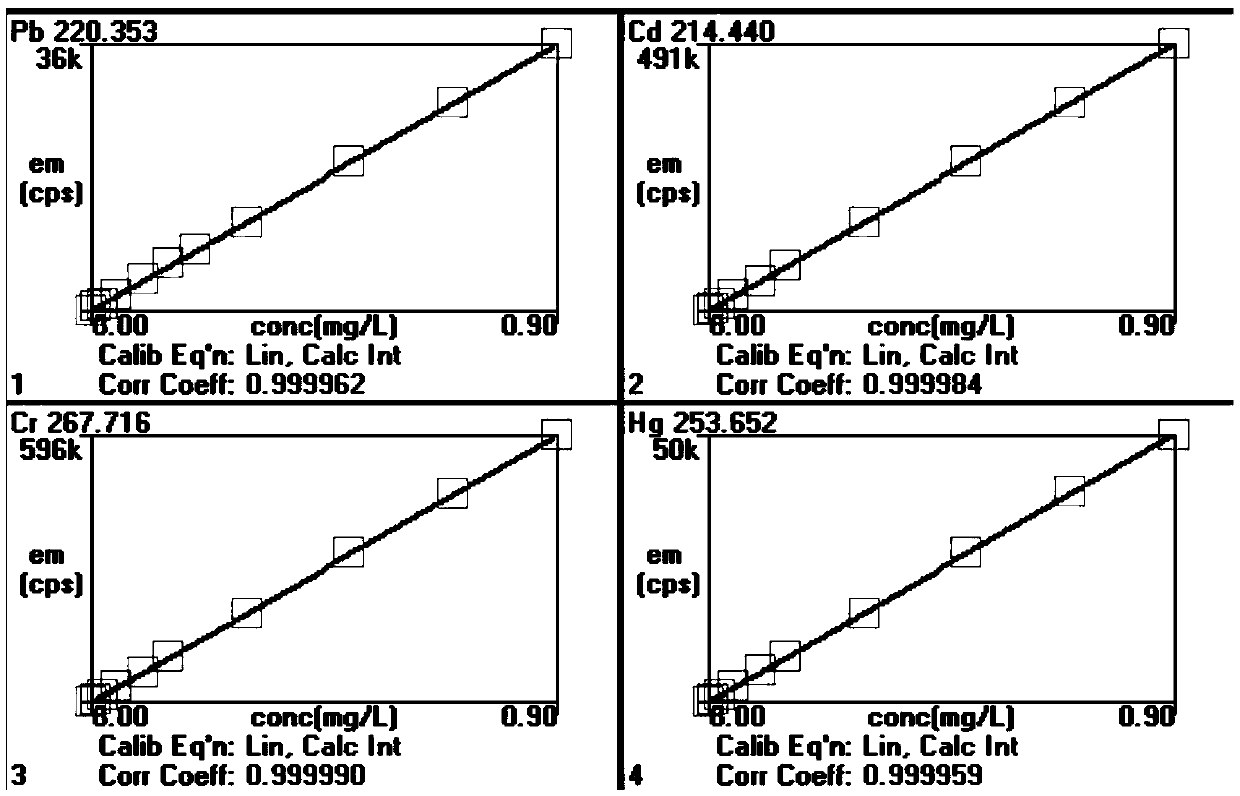
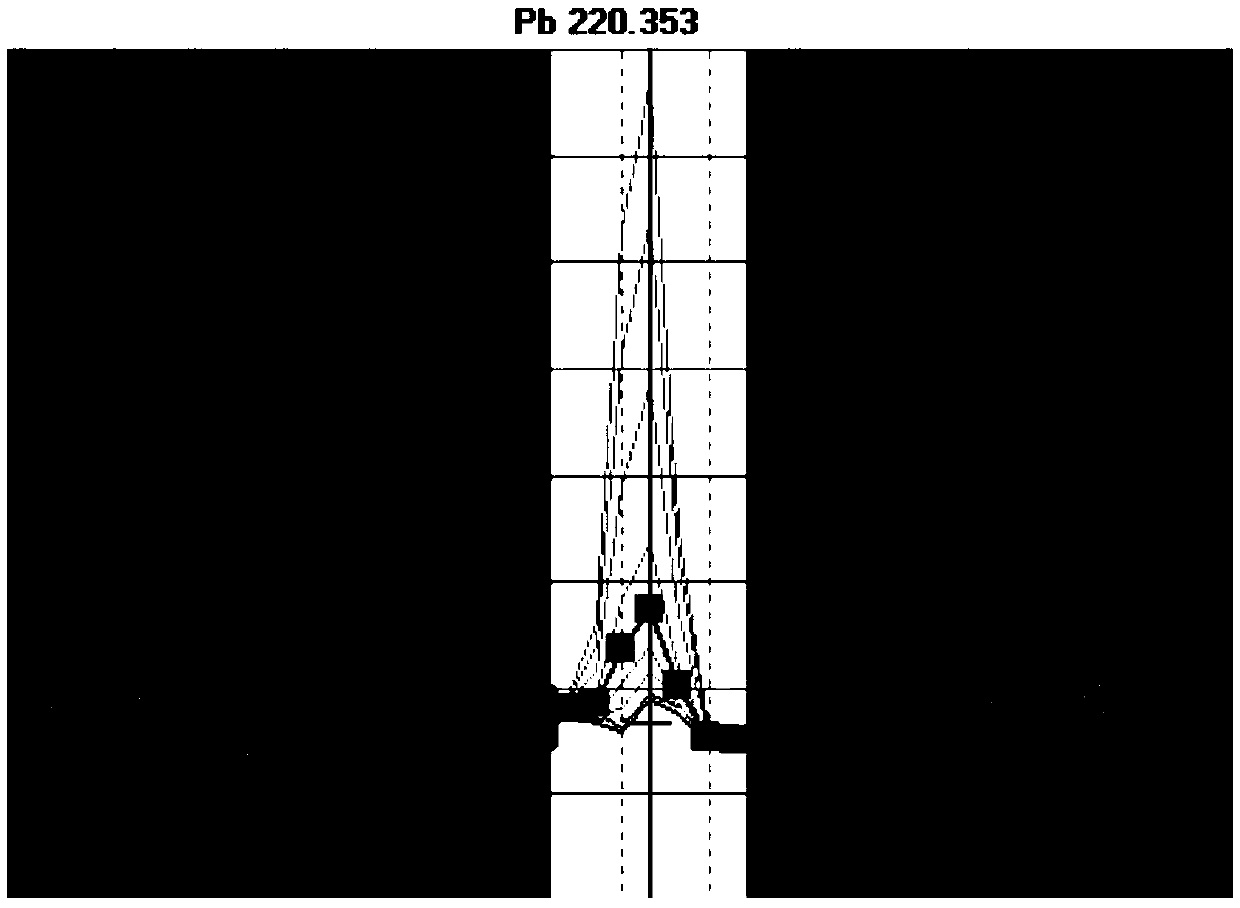
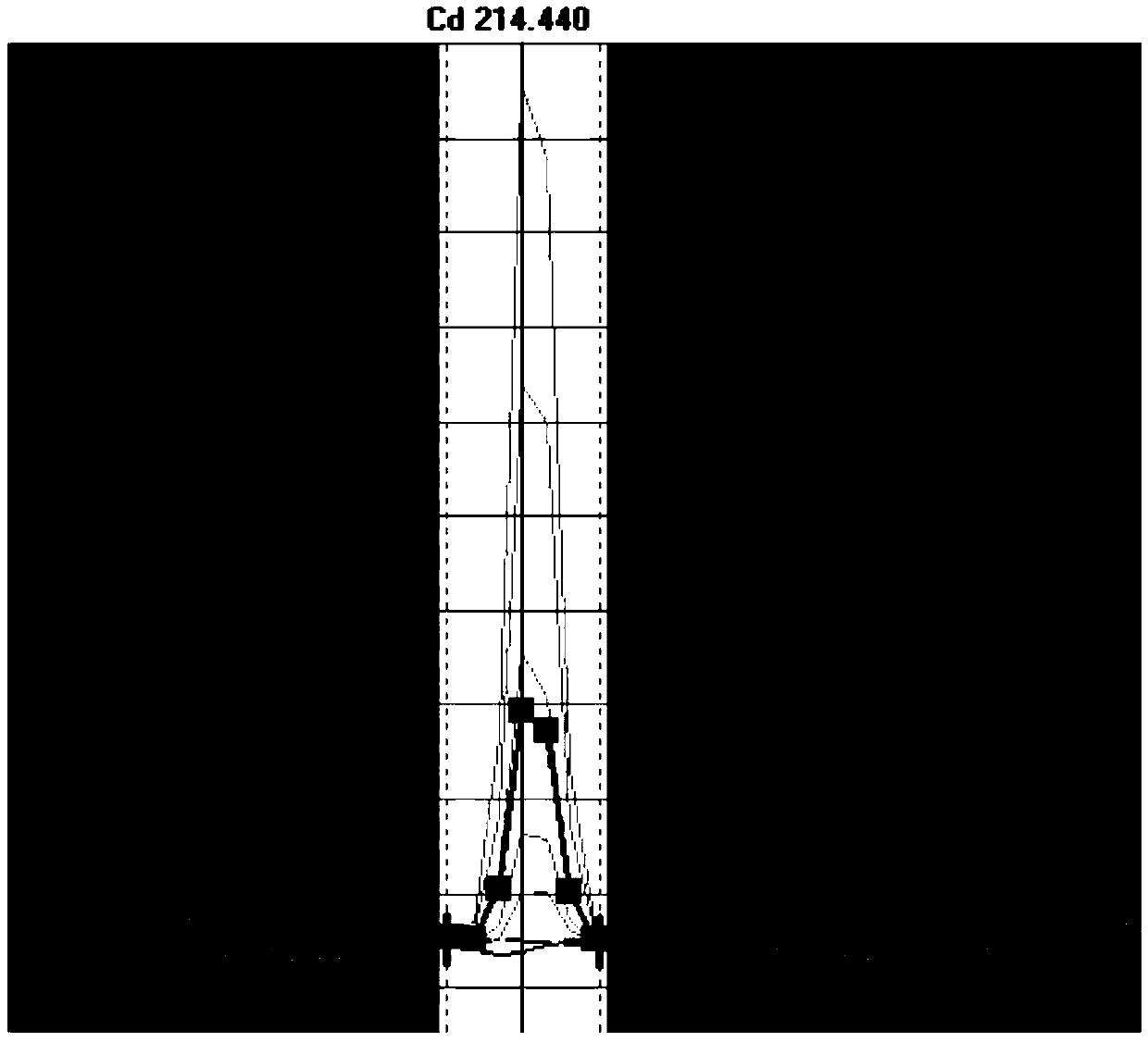
Examples
Embodiment 1
[0062] The sample of polymeric material containing heavy metals lead, cadmium, chromium and mercury described in this embodiment, select ERM-EC681k as "blind sample" for detection, the detection method of heavy metal lead, cadmium, chromium and mercury content in the polymeric material, Specifically include the following steps:
[0063] a. Pretreatment of the sample, specifically including the following steps:
[0064] (1) Weigh 0.3g of ERM-EC681k into a beaker, add 5mL of concentrated sulfuric acid with a mass concentration of 98%, place the beaker on a heating plate, and heat it to 350°C to emit sulfuric acid fumes. All the heavy metals contained will generate their corresponding sulfates, and the organic components will be completely carbonized into black substances;
[0065] (2) Add concentrated nitric acid with a mass concentration of 68% dropwise to the sample that has been carbonized in step (1) and emits sulfuric acid fumes until the black carbonized substance disappe...
Embodiment 2
[0074] The polymeric material sample containing lead, cadmium, chromium, and mercury described in this embodiment, selects ERM-EC680k as a "blind sample" for detection, and the detection method for the content of lead, cadmium, chromium, and mercury in the polymeric material specifically includes the following step:
[0075] a. Pretreatment of the sample, specifically including the following steps:
[0076] (1) Weigh 0.5g of ERM-EC680k into a beaker, add 5mL of concentrated sulfuric acid with a mass concentration of 98%, place the beaker on a heating plate, and heat it to 350°C to emit sulfuric acid fumes. All the heavy metals contained will generate their corresponding sulfates, and the organic components will be completely carbonized into black substances;
[0077] (2) Add concentrated nitric acid with a mass concentration of 65% dropwise to the sample that has been carbonized in step (1) and emits sulfuric acid fumes until the black carbonized substance disappears complete...
Embodiment 3
[0084] The sample of the polymeric material containing lead, cadmium, chromium and mercury described in this embodiment, selects BW3079 as a "blind sample" for detection. The detection method for the content of lead, cadmium, chromium and mercury in the polymeric material specifically includes the following steps:
[0085] a. Pretreatment of the sample, specifically including the following steps:
[0086] (1) Weigh 0.2g of BW3079 into a beaker, add 3mL of concentrated sulfuric acid with a mass concentration of 95%, place the beaker on a heating plate, heat to 300°C and emit sulfuric acid fumes, the sample is decomposed and carbonized, so that the heavy metal contained in the polymer material All generate their corresponding sulfates, and the organic components in them are completely carbonized into black substances;
[0087] (2) Add concentrated nitric acid with a mass concentration of 68% dropwise to the sample that has been carbonized in step (1) and emits sulfuric acid fume...
PUM
 Login to View More
 Abstract
Description
Claims
Application Information
 Login to View More