

Assembly type multi-condition parallel-culture microfluidic control device and using method thereof
A microfluidic device and multi-condition technology, applied in tissue cell/virus culture devices, biochemical equipment and methods, biochemical instruments, etc. Degradability and other issues, to achieve the effect of improving recycling difficulties, high biocompatibility and safety, and avoiding immune rejection
- Summary
- Abstract
- Description
- Claims
- Application Information
AI Technical Summary
Problems solved by technology
Method used
Image

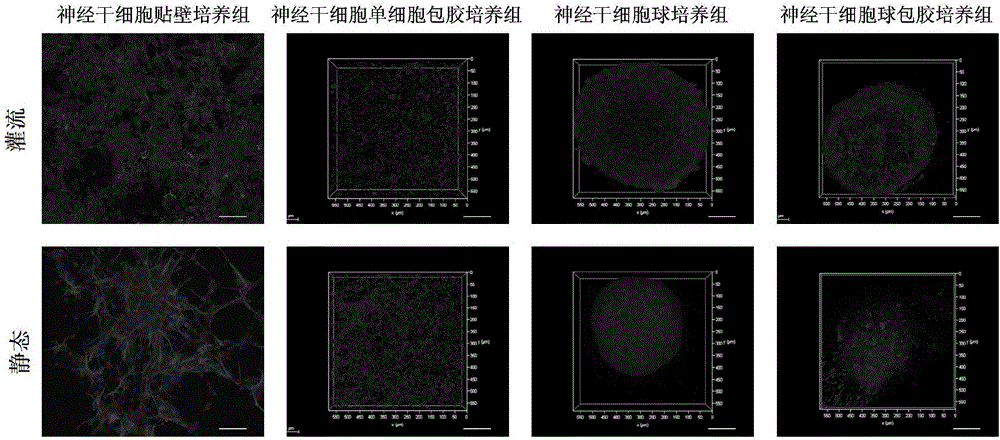
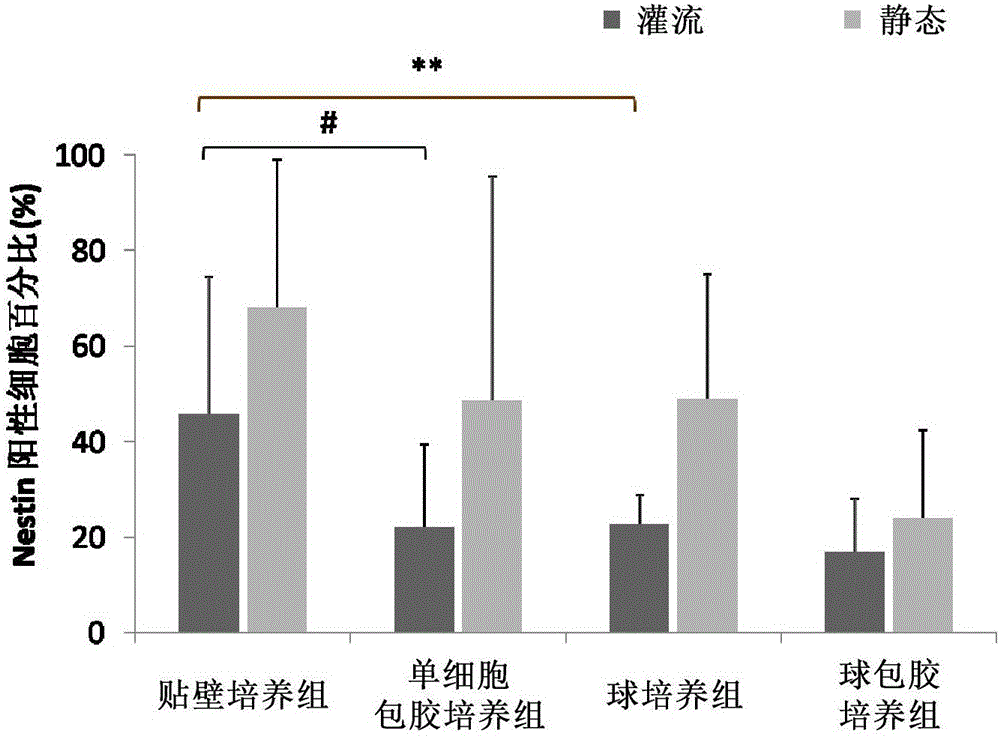
Examples
Embodiment 1
[0033] A self-renewal and differentiation study of neural stem cells was carried out using an assembled microfluidic device for multi-condition parallel culture.
[0034] 1 Design and fabrication of microfluidic chip
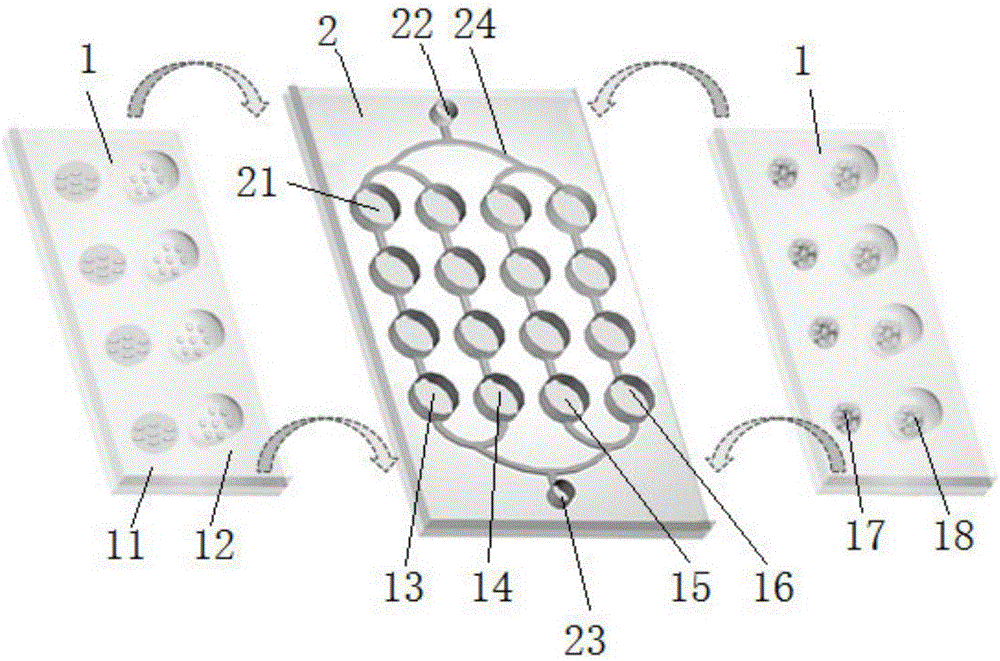
[0035] 1) Schematic diagram of the device used for research on self-renewal and differentiation of neural stem cells. figure 1 shown. The whole device is composed of a microfluidic chip 2 and two rigid glass sheets 1 coated with PDMS membranes. The microfluidic chip 2 includes structural units: a cell culture chamber array 21 (4×4 array), a liquid inlet pool 22 , a liquid waste pool 23 , and a microfluidic channel 24 . The cell culture chambers of the four arrays share a waste liquid pool 23 . Two rigid glass slides 1 coated with PDMS membrane are used for cell inoculation under different culture conditions and for sealing the cell culture chamber array 21 .
[0036] 2) Apply the negative photoresist SU-8, prepare the positive film mold according to the stan...
PUM
 Login to View More
 Abstract
Description
Claims
Application Information
 Login to View More