[0008] 1) It is time-consuming and laborious for the crane to buckle and fasten the
elevator. A single downhole casing is time-consuming, and the crane and operators occupy more. 10-12 pieces / h of 13-3 / 8"casing pipes, 13-14 pieces / h of 9-5 / 8"casing pipes, 15-17 pieces / h of 7"
tail pipes;
[0009] 2) Static grouting method, the downhole
casing string has a long static time, and the risk of sticking is extremely high;
[0010] 3) For the side-bottom side grouting method, because the
top drive protection joint is at a high height from the casing
elevator, and the center alignment between the
top drive protection joint and the casing collar is often not ideal, sometimes it is operated when the
wind speed is high, resulting in grouting Displacement is limited, the lowering speed of the
casing string is limited or the
casing string cannot be filled at all, and the risk of downhole casing string sticking is also high;
[0011] 4) The extended-reach downhole casing in the case of shallow vertical depth, long
open hole section, large well deviation, poor well conditions or limited
lifting capacity is often limited by the hook suspension weight, and the casing is not in place due to the complicated situation. Make the already difficult extended-reach well operation more complicated
[0013] 1) The derrick needs to be designed with relevant supporting facilities such as casing centering platform, camera for centering platform, etc., which will increase the construction, maintenance and use costs of modular drilling rigs;
[0014] 2) A single elevator is hung under the casing elevator to pick up the casing. When the casing is pulled up to the
drill floor, the stability of the casing is not good, and there are many risks such as scratches on the steel
wire rope connected by a single elevator;
[0015] 3) During the casing running, one person needs to open a single elevator at the casing uprighting
station, buckle up the casing and fasten the casing elevator, and finally command the driller to lower each casing and insert the grouting tool pipeline. The operation is cumbersome and the steps There are many, and the risk of misoperation is relatively high. During the whole casing running process, the requirements for the driller's operation are high. The driller needs to pay attention to the drilling door, the casing centralization platform, the drilling floor surface and the drilling instrument, etc., which may easily lead to the fatigue of the driller's operation. As a result, errors in accurate judgment of the downhole situation lead to frequent occurrence of complex situations;
[0016] 4) If the casing straightening personnel of the second-floor
station do not straighten the casing properly, the make-up alignment effect will be poor, which will easily lead to damage to the casing buckle, and the make-up efficiency will be greatly affected. The replacement of damaged casing will have a great
impact on the timeliness. The timeliness of the whole operation is not ideal, and the timeliness of running casing is slightly improved compared with the first type, with an average of 13-15 pieces / h for 13-3 / 8" casing, 16-17 pieces / h for 9-5 / 8" casing, and 7 "
Tail pipe 18-20 pieces / h;
[0019] 2) There are many limitations in this casing running method. The relative position of the casing
discharge area and the
drill floor is relatively close, the operating range of the pneumatic drawworks of the
drill floor is not large, and the
drill floor of the drilling ship and the
deck of the
pipe yard are kept relatively fixed and close. To meet this requirement, there are many well slots distributed such as 5*8 (2.208*2.208) modular drilling rigs, limit row well positions, limit row well positions, the
drill floor gate and the
pipe yard deck have a large span and a large slope. Casing operation cannot be carried out;
[0021] 4) The operation of the
wire rope of the pneumatic
winch takes up a lot of space, and the casing is more risky when it is hoisted from the deck of the pipe
yard to the drilling floor;
[0022] 5) Due to the existence of the guide crane, it occupies the deck space of the pipe yard, and the other cranes cannot carry out the related hoisting operations for the next step of operation preparation, which causes a waste of crane resources



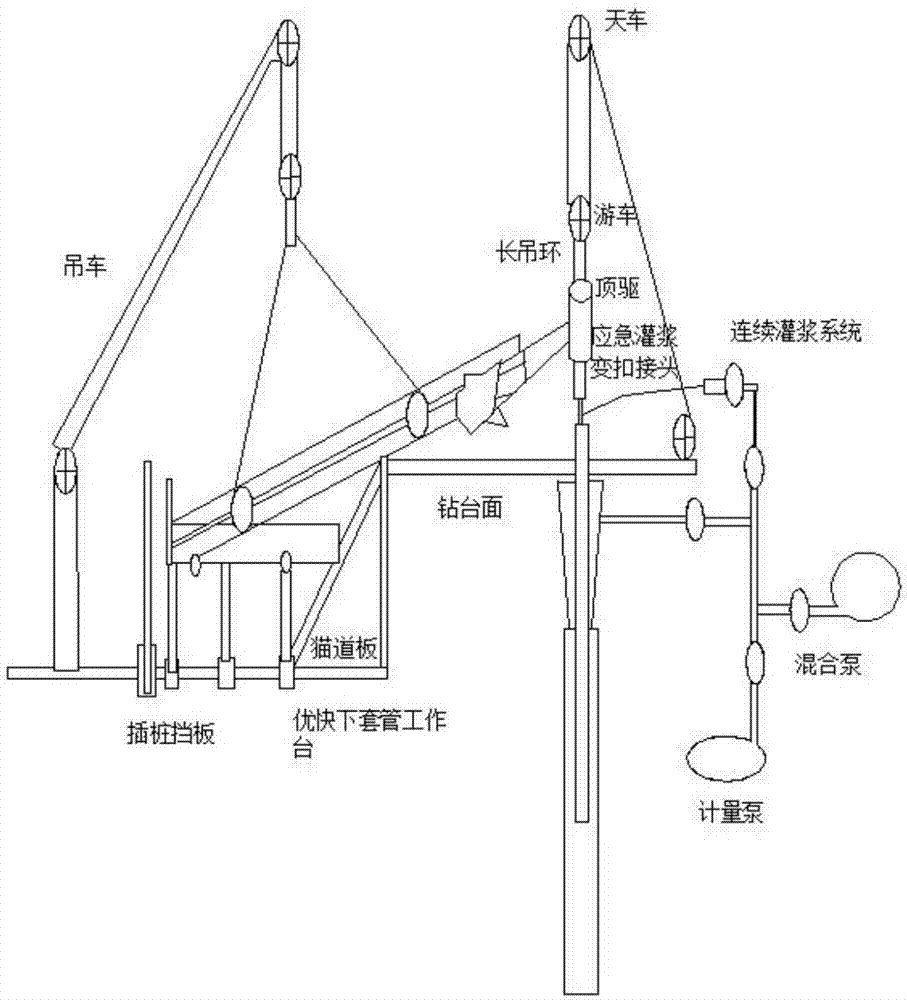
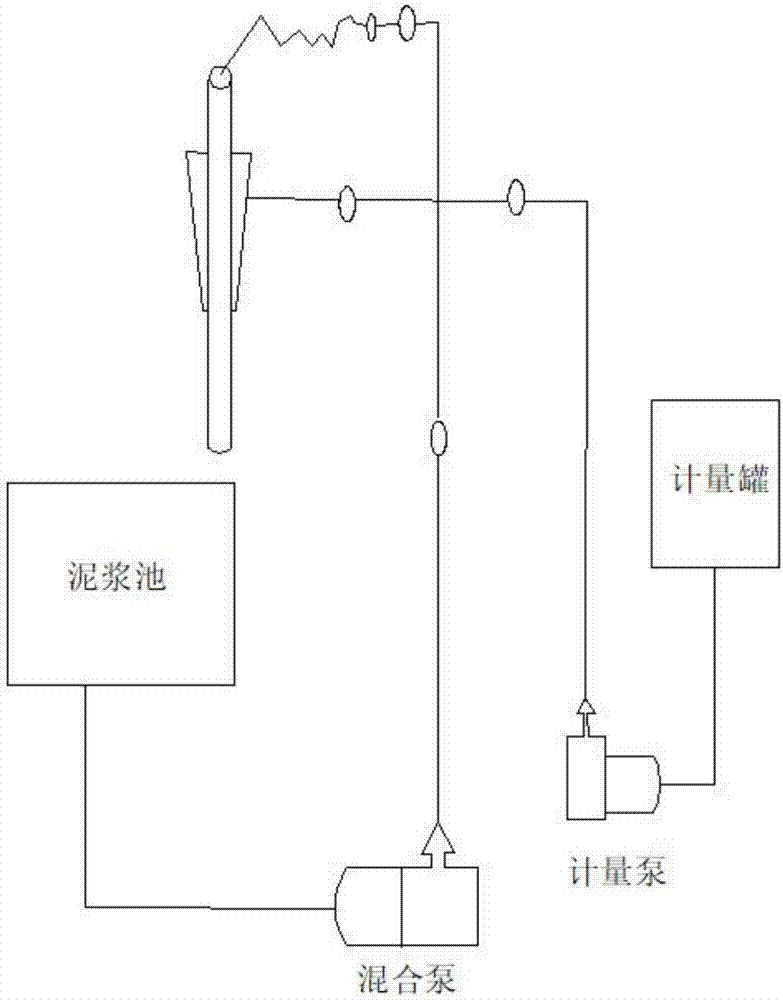
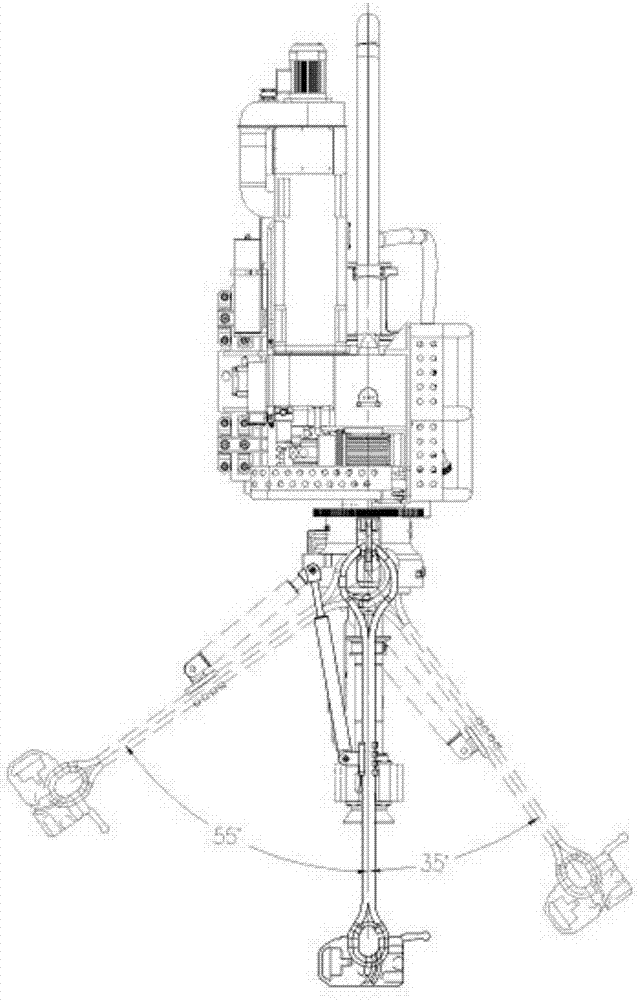
 Login to View More
  Login to View More