Percutaneously deliverable orthopedic joint device

a technology of orthopedic joints and orthopedic joints, applied in the field of percutaneous delivery of orthopedic joints, can solve the problems of joint weakness, moderate to severe pain and joint deterioration, both modalities present drawbacks, etc., and achieve the effects of reducing pain, reducing time and complexity in conducting, and reducing pain

US20080255664A1Inactive Publication Date: 2008-10-16ARTICULINX
99 Cites 86 Cited by

Patent Information

Authority / Receiving Office
US · United States
Patent Type
Applications(United States)
Current Assignee / Owner
Publication Date
2008-10-16
Estimated Expiration
Not applicable · inactive patent

Smart Images

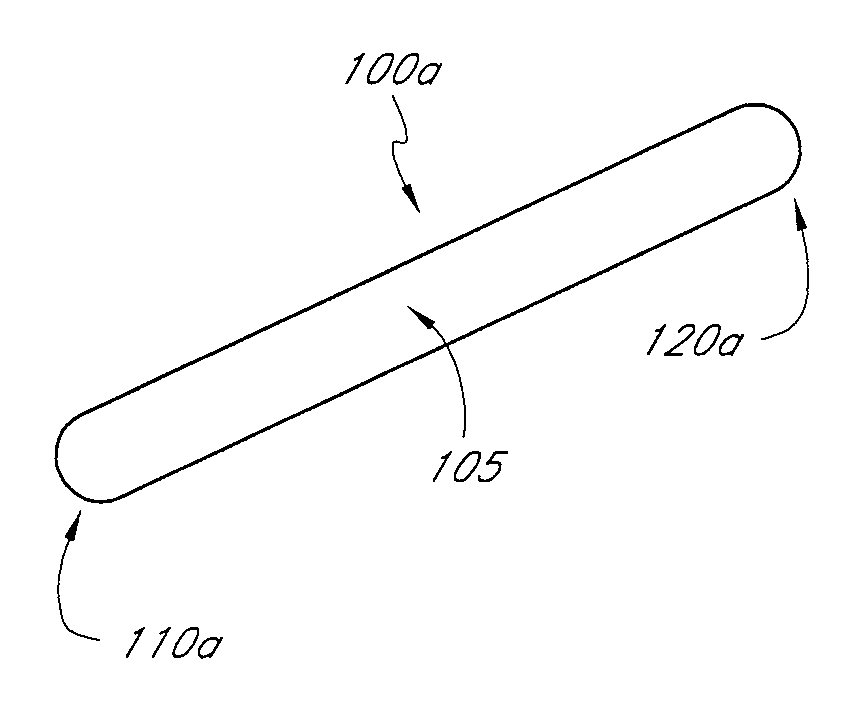
  • Figure 1
    Figure 1
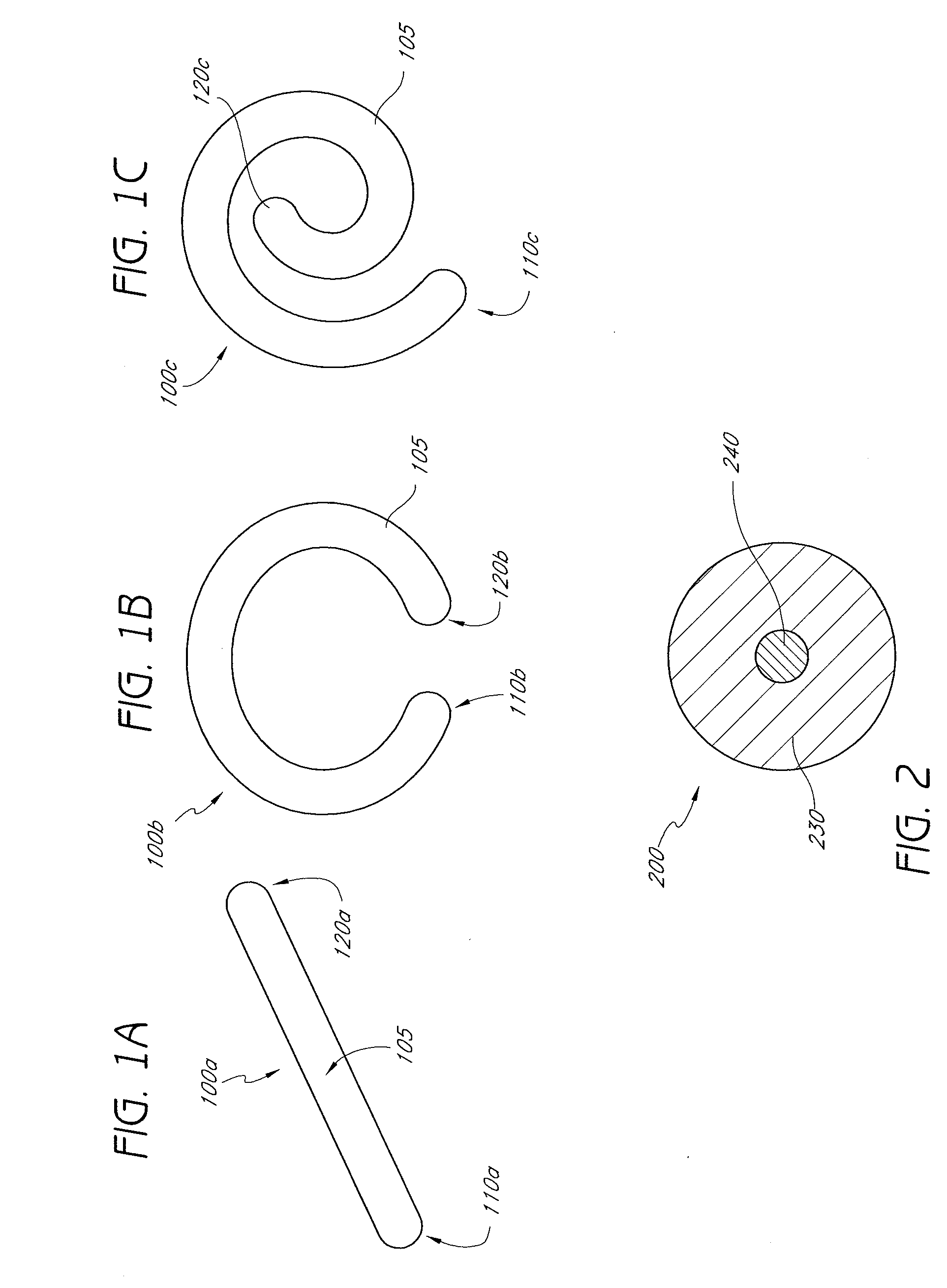
  • Figure 2
    Figure 2
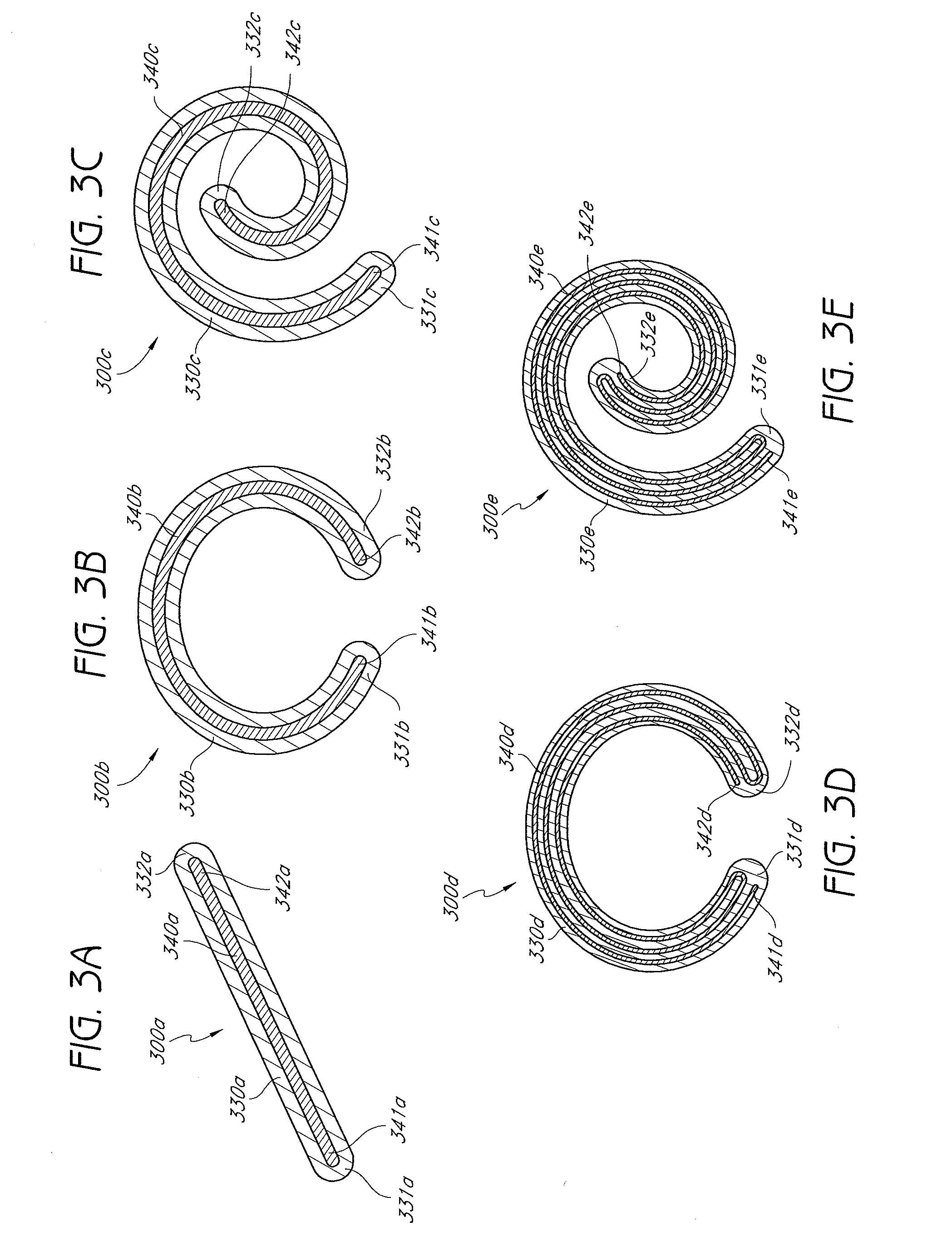
  • Figure 3
    Figure 3
Patent Text Reader

Abstract

A percutaneously implantable orthopedic device is a shape-changing joint prosthesis with a generally arcuate or generally rectilinear configuration which is delivered through a delivery device in a substantially straightened or slightly curved configuration into a joint in a patient. The generally arcuate configuration may include an open ring or spiral shape. The generally rectilinear configuration may include a polygon or zig-zag shape. The delivery and retrieval device can be a syringe, hypodermic needle or cannula. The orthopedic device is moveable into its generally arcuate or generally rectilinear configuration in the joint by manipulation or a shape memory set. The orthopedic device acts as a soft compliant bearing surface or cushion that minimizes the bone-on-bone wear from articulation and loading.
Need to check novelty before this filing date? Find Prior Art

Description

CROSS-REFERENCE TO RELATED APPLICATIONS

[0001] This application claims the benefit of priority from U.S. Provisional No. 60 / 911,056 filed Apr. 10, 2007, which is incorporated in its entirety by reference, herein.BACKGROUND OF THE INVENTION

[0002] 1. Field of Invention

[0003] Various embodiments of the present inventions relate to the treatment of osteoarthritis, rheumatoid arthritis, and any other joint degenerative process with a minimally invasive implantable device to reduce, amongst other things, bone-to-bone contact at a joint.

[0004] 2. Related Art

[0005] Today there are an increasing number of patients with osteoarthritis, rheumatoid arthritis, and other joint degenerative processes. Osteoarthritis is by far the most common type of arthritis, and the percentage of people who have it grows higher with age. An estimated 12.1 percent of the U.S. population (nearly 21 million Americans) age 25 and older have osteoarthritis of one form or another. Although more common in older people it usu...

Examples

Embodiment Construction

[0061]As should be understood in view of the following detailed description, this application is primarily directed to apparatuses, systems and methods for minimally-invasive treatment of bone joints. In various embodiments, an orthopedic device suitable for minimally invasive deployment using a tubular delivery apparatus with a lumen or channel, such as a cannula, hypodermic needle, catheter, or another similar apparatus. In various embodiments the orthopedic device is an implantable prosthetic that has a substantially non-linear pre-formed configuration (e.g. a shape that is not a substantially straight line, such as a generally arcuate shape or a generally rectilinear shape composed of more than a single line) which is delivered through a hypodermic needle in a straightened configuration and into the joint. In one preferred embodiment of the invention, an orthopedic device comprises an elongate shape memory body that has a generally arcuate configuration to enhance self-centering...