The transfer and storage of
groundwater resources after
coal mining is a
passive treatment method after the destruction of the overlying rock
aquifer and the loss of
groundwater, which cannot achieve in-situ protection of the overlying rock
aquifer; adjusting the mining method before mining is to sacrifice a large amount of coal The resource method does not meet the needs of high-efficiency development of coal resources in my country; during the mining process, the plugging and grouting of the water-conducting fracture zone will easily cause a large amount of
slurry to flow into the goaf, resulting in a large amount of grouting and poor plugging effect. It belongs to the
passive treatment method that causes the destruction and disturbance of the
overburden aquiferFor example: the patent with the publication number CN102865081A discloses a
water conservation mining method that determines the mining sequence of each working face in each block according to the
water conservation mining condition parameters and groundwater distribution trend data. This method adopts different mining methods for different geological conditions. However, this method achieves water
resource protection by adjusting the coal mining process and transferring and storing groundwater. This method destroys the structure of the
overburden aquifer, and the groundwater is bound to be affected by pollutants such as
oil pollution from stope equipment during the transfer and storage process.
pollution; the patent publication No. CN107100625A discloses a water-retaining mining method for filling and reducing mining cracks by water injection in the overlying rock. Pressurized water injection actively compacts the lower rock
mass in the overlying rock separation space to reduce the development height of the water-conducting fracture zone. During the process, it is very easy to cause a large amount of water gushing in the goaf, and there is a
safety risk; the patent with the publication number of CN110242301A discloses a two-step grouting modified water-retaining coal mining method in the roof aquifer. Slurries of different materials are injected into the aquifer and the
vertical fracture channel respectively. On the one hand, the thickness of the aquifer is increased before mining, and on the other hand, the
vertical fracture is prevented from connecting the aquifer and the goaf after mining. Grouting was performed on the roof water-resisting layer, but the layer of the grouting water-resisting layer was not given, which did not fundamentally inhibit the development height of mining vertical water-conducting fractures, and the
grout easily flowed in during the post-mining grouting process. In the gob area, the plugging effect of the fracture zone is not good, and if a large amount of chemical
slurry is used, it is easy to cause
groundwater pollution; the patent with the publication number CN1963148 discloses a water-retaining coal mining method using the structural key layer as the water-resisting layer. This method is to protect the structural key layer by selecting the appropriate coal mining method and process parameters, rather than fundamentally solving the problem of structural key layer rupture and water conduction, and for production mines, adjusting the coal mining method and process will cause coal resources. It is seriously wasteful and difficult to realize in reality, so it is difficult to protect the key layer of the structure; the patent with the publication number of CN106050234A discloses a construction technology for protecting groundwater during coal mining. Fractures are performed in between to form fracturing fractures penetrating the water-conducting fracture development zone, and grouting forms an
isolation layer, so as to realize the protection of
surface water and upper pore water, and actively release the lower
fissure water
However, the fracturing of the
bedrock in this method is a secondary damage to the original
bedrock, which can easily cause the vertical cracks in the water-conducting fracture zone to extend upward; For grouting, since the
grout has a certain solidification time, it is very easy to cause the
grout to enter the caving zone along the water-conducting
fissure zone and fill it to the goaf, resulting in a large amount of grout loss and waste, and causing safety risks to stope production


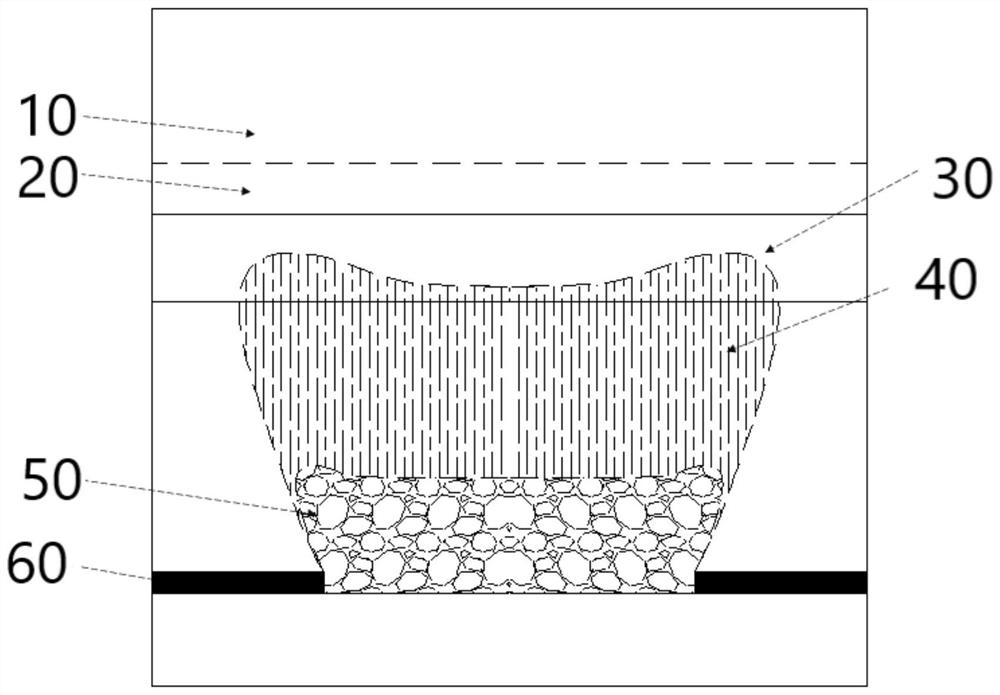
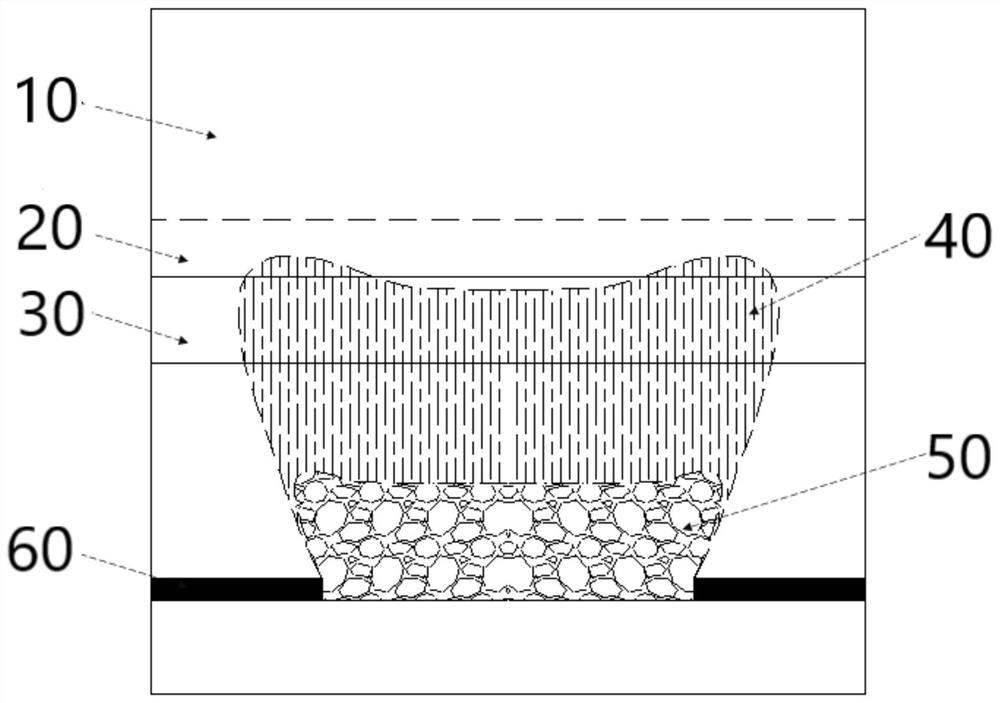
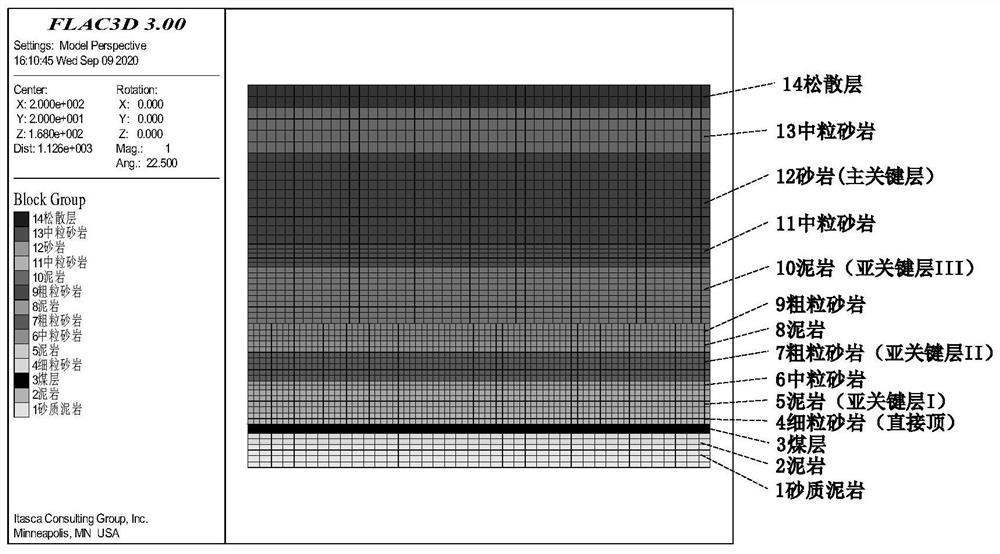
 Login to View More
  Login to View More