Polyamide compositions for personal care

a technology of polyamide and composition, applied in the field of composition, can solve the problems of limited durability, drawbacks of existing formulations, odor, etc., and achieve the effects of improving skin feel properties, increasing or decreasing tension force, and quantitative skin tightening qualities of products

a technology of polyamide and composition, applied in the field of composition, can solve the problems of limited durability, drawbacks of existing formulations, odor, etc., and achieve the effects of improving skin feel properties, increasing or decreasing tension force, and quantitative skin tightening qualities of products

US20140212363A1Inactive Publication Date: 2014-07-31CRODA INT PLC

Image

Smart Image Click on the blue labels to locate them in the text.
Viewing Examples
Smart Image
  • Polyamide compositions for personal care
  • Polyamide compositions for personal care
  • Polyamide compositions for personal care

Examples

Experimental program
Comparison scheme
Effect test

example 1

Ethanol-Based Sunscreen Spray (SPF 70)

Room-Temperature Process

[0073]The indicated components for Phase A (see below) are combined in a vessel and heated with agitation to ˜45° C. until the solid actives (avobenzone and benzophenone-3) dissolve and form a homogeneous solution. Phase A is then cooled to ˜40° C. Separately, the Phase B components (20:70 hydrophobic polyamide / ethanol blend, ethanol, and glycerin) are combined and blended at room temperature. Phase A is then added to Phase B and blended with agitation to form a clear solution.

PhaseComponentWt. %AHomosalate15.0Benzophenone-36.0Ethylhexyl salicylate5.0Butyl methoxydibenzoylmethane (avobenzone)2.0Octocrylene2.0BGlycerin2.0Hydrophobic polyamide / ethanol solution 30 / 7013.3Ethanol SDA 40-B54.7100.0

example 4

Ethanol-Based Sunscreen Spray (SPF 70)

One-Step Process

[0076]The indicated components (see below) are combined in a vessel and heated with agitation to ˜60° C. The mixture is blended until the polyamide melts and the solid actives dissolve to form a clear solution. The blend is cooled to room temperature prior to discharge.

PhaseComponentWt. %AHomosalate15.0Benzophenone-36.0Ethylhexyl salicylate5.0Butyl methoxydibenzoylmethane2.0Octocrylene2.0Hydrophobic polyamide4.0Glycerin2.0Ethanol SDA 40-B64.0100.0

example 5

Ethanol-Based Sunscreen Spray (100 SPF)

[0077]The procedure of Example is used to combine the components shown below to make an SPF 100 ethanol-based continuous sunscreen spray.

PhaseComponentWt. %AHomosalate15.0Benzophenone-36.0Ethylhexyl salicylate5.0Butyl methoxydibenzoylmethane3.0Octocrylene10.0BGlycerin2.0Hydrophobic polyamide / ethanol solution 30 / 7013.3Ethanol SDA 40-B45.7100.0

In Vitro SPF Testing

[0078]A nominal SPF 70 ethanol spray containing 4 wt. % resin is prepared from the film-forming resins listed in Table 4 below using either the room temperature process (see Example 1, above) or the hot process (see Example 3). Performance of the polyamide resins is compared with that of acrylates / octylacrylamide copolymer. A Labsphere 2000 transmittance analyzer is used to evaluate the SPF of the products. In each case, the polyamide resin provides satisfactory performance, comparable to that of the control acrylic resin (see Table 4). Additional in vitro tests using Polyamides E-H demo...

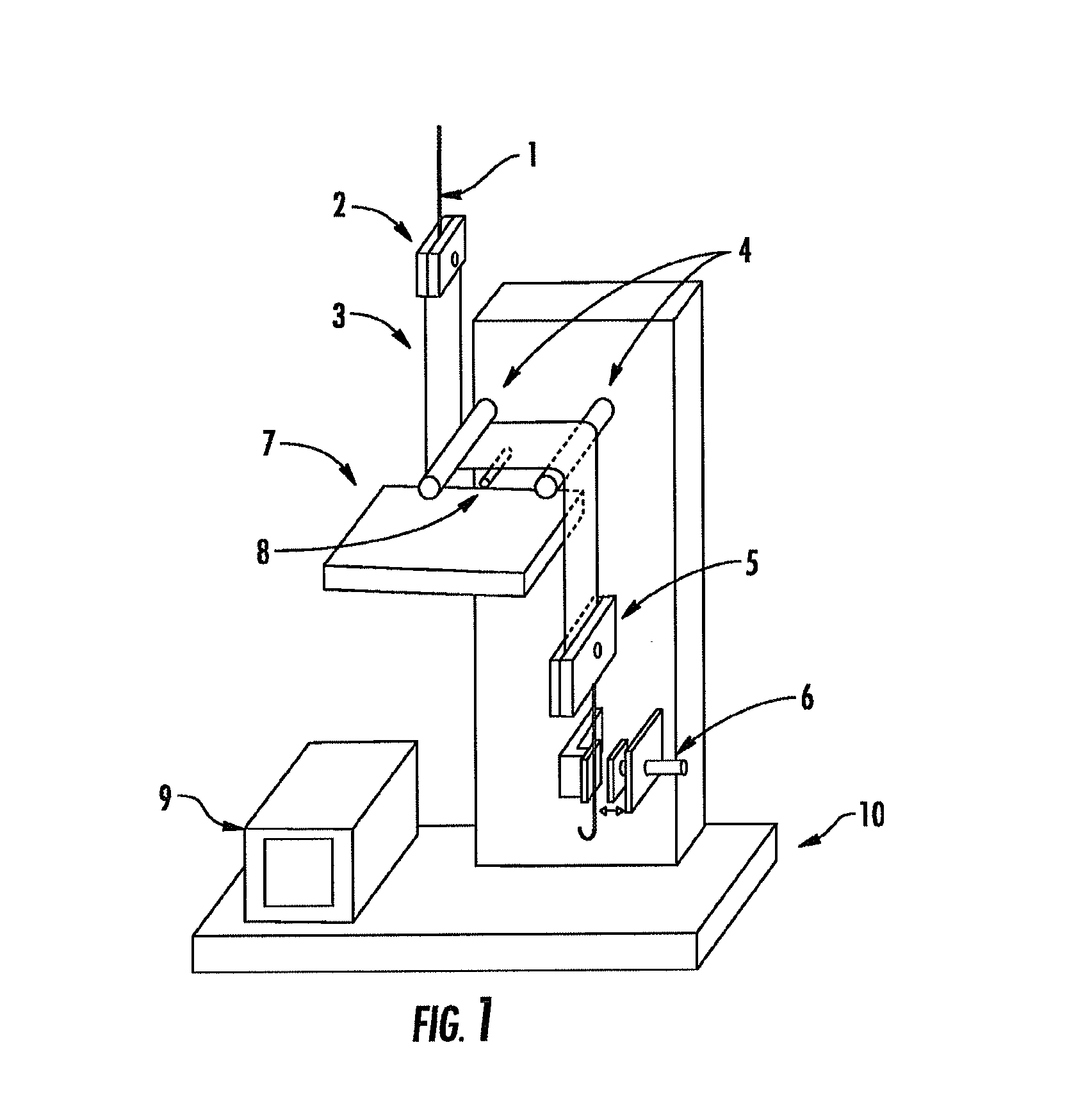
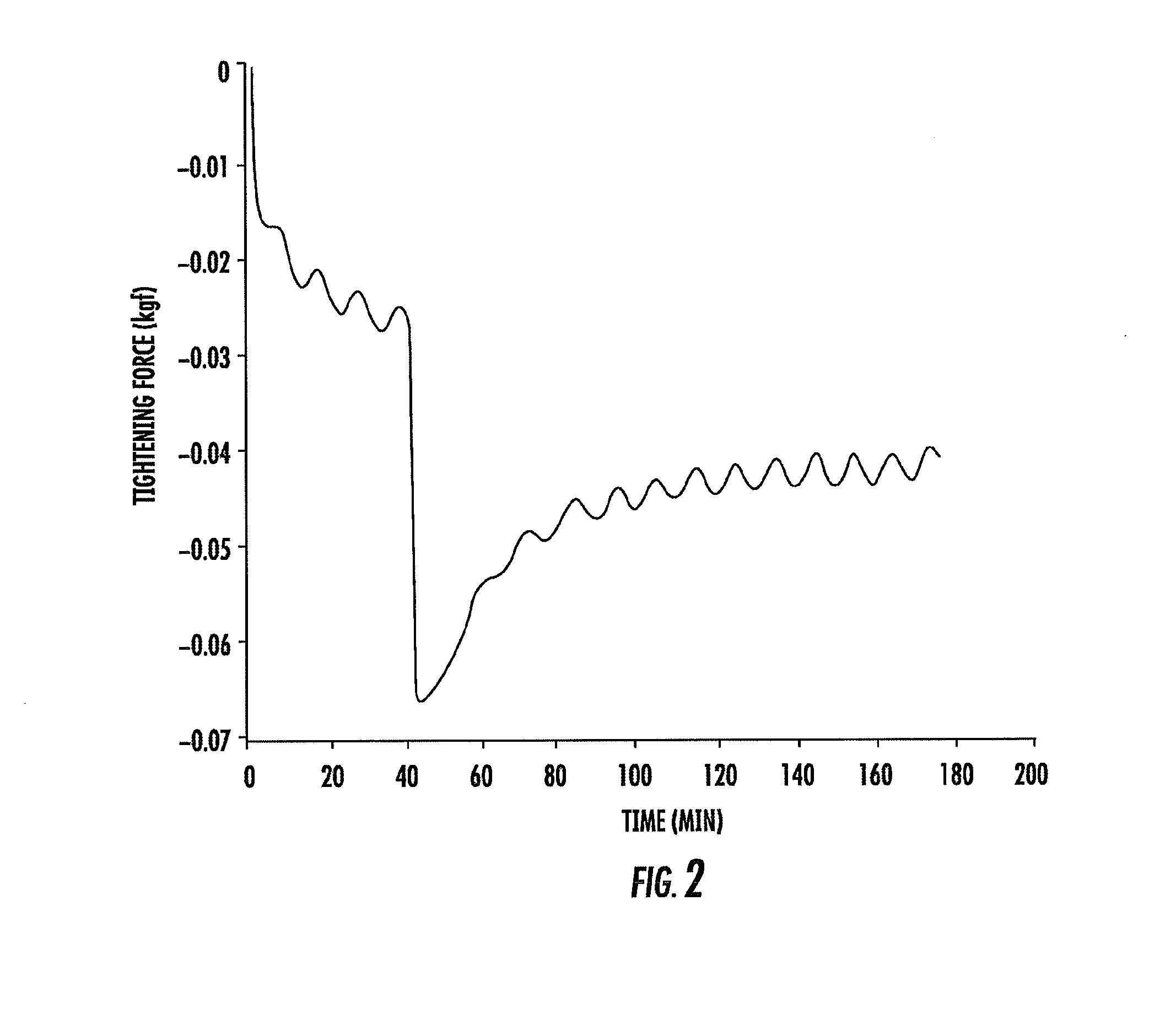
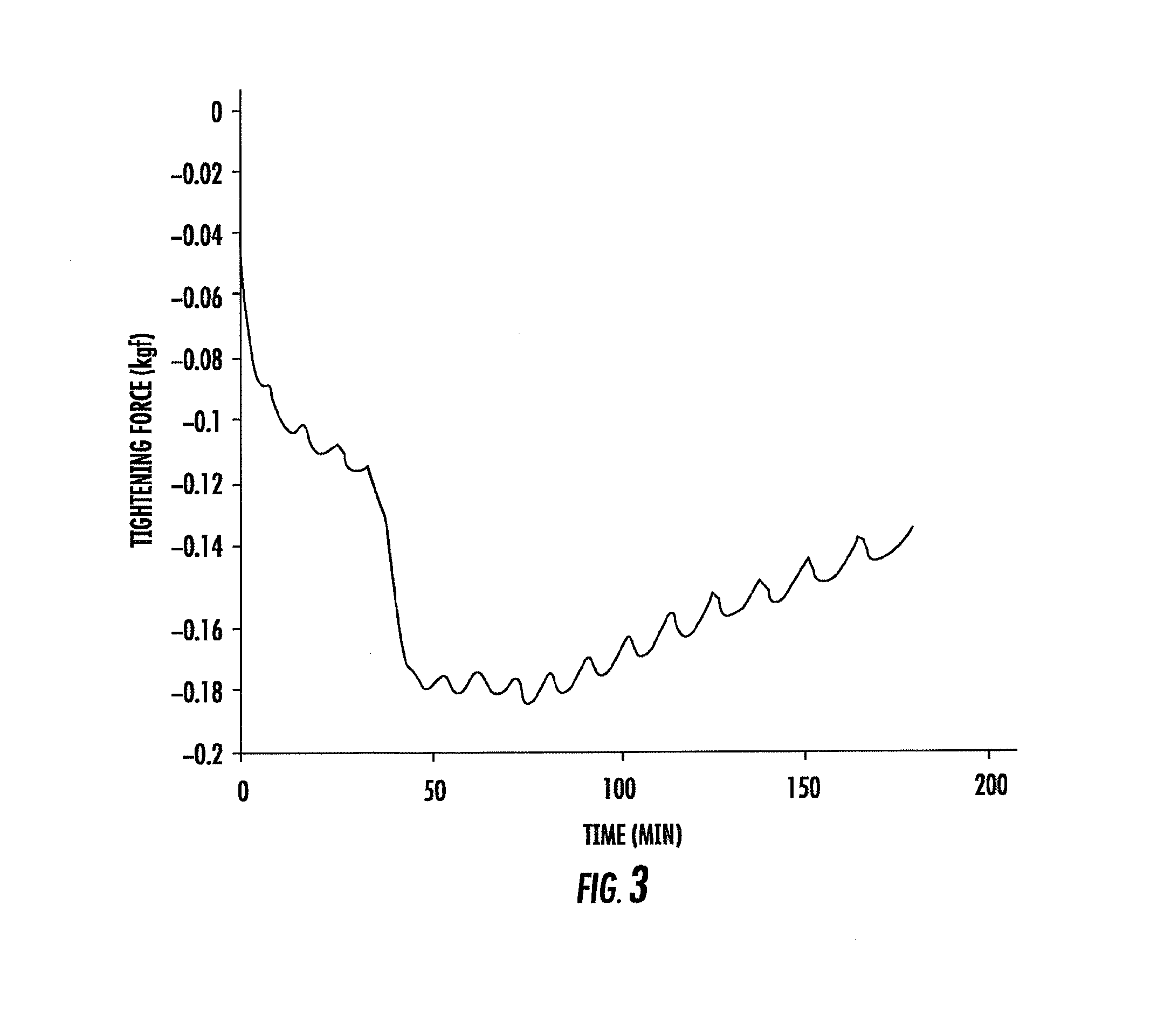
the structure of the environmentally friendly knitted fabric provided by the present invention; figure 2 Flow chart of the yarn wrapping machine for environmentally friendly knitted fabrics and storage devices; image 3 Is the parameter map of the yarn covering machine
Login to View More

PUM

PropertyMeasurementUnit
wt. %aaaaaaaaaa
wt. %aaaaaaaaaa
wt. %aaaaaaaaaa
Login to View More

Abstract

Polyamide compositions useful for personal care are disclosed, including film-forming concentrates and emulsions. Ethanol-based concentrates comprise a hydrophobic polyamide, which comprises a reaction product of either (a) a dimerized fatty acid, at least one C2-C4 carboxylic acid, and a polyamine component comprising ethylenediamine and 1 to 30 eq. % of one or more di- or triamines; or (b) a dimerized fatty acid, at least 50 wt. % of a C16-C22 unsaturated carboxylic acid, and at least one C2-C6 diamine. Personal care applications for the concentrates, including continuous sunscreens, fragrant body sprays or splashes, anti-acne medications, are included. Water-in-oil emulsions comprising the hydrophobic polyamides are storage-stable and provide water-resistant SPF for products such as sunscreens and body lotions.

Description

FIELD OF THE INVENTION[0001]The invention relates to compositions useful for personal care and other applications, and particularly to polyamide-containing concentrates and emulsions.BACKGROUND OF THE INVENTION[0002]Anhydrous sprays for personal care have become popular in recent years because they are easy to apply, go on clear, and require no rubbing to distribute over the skin. Mast personal care sprays use ethanol as a diluent. Ethanol-based continuous sunscreen sprays, although known in some form since the early 1970s (see, e.g., U.S. Pat. No. 3,895,104), are relatively new to the market. Because consumers like using them, such sprays have increased overall use of sunscreens and reduced incidences of sunburn and UVA exposure. However, existing formulations can have drawbacks, such as skin tightening, odor or limited durability on the skin; such drawbacks are attributed to film-forming polymers in used in sprays.[0003]Polyamides and other synthetic polymers have been used as fil...

Claims

the structure of the environmentally friendly knitted fabric provided by the present invention; figure 2 Flow chart of the yarn wrapping machine for environmentally friendly knitted fabrics and storage devices; image 3 Is the parameter map of the yarn covering machine
Login to View More

Application Information

Patent Timeline
31 Jul 2014
Publication
US20140212363A1
IPC
A61K47/34; A61Q13/00; A61Q5/12; A61Q15/00; A61Q17/04; A61K8/88; A61Q5/06
CPC
A61K47/34; A61K8/88; A61Q13/00; A61Q5/12; A61Q15/00; A61Q17/04; A61Q5/06; C08G69/34
Inventors
HARMAN, NANCY W.; MILLER, GEORGE