[0002] Film capacitors are widely used because of their good
pressure resistance and self-healing properties. Metallized films are important materials for the production of film capacitors. High-purity metals (such as Al, ZN) are melted, evaporated, and precipitated in a high
vacuum state. On the
dielectric base film, the film after forming a very
thin metal coating on the surface of the dielectric base film is the metallized film; the resistance value of the unit square area of the
metal coating on the metallized film is called square resistance (ie square resistance, Expressed in Ω / □), this kind of
capacitor made of metallized film has the same withstand
voltage performance as the self-healing of the
metal coating (that is, if there is an electric weak point in the dielectric base film, the breakdown
discharge current will break the point The surrounding
metal coating is ablated and evaporated, so that the electrical
weakness is related to the ability of the overall capacitor plate to form an isolation state). The stronger the self-healing ability of the
metal coating, the better the
pressure resistance, and the self-healing ability of the metal coating is related to the thickness of the coating.
Thin metal coating requires less energy for self-healing and is easy to self-heal, but because the thickness of the metal coating is thinner, its square resistance increases, its current
carrying capacity decreases, and the capacitor is prone to heat and eventually fails; on the contrary, the thicker the metal coating, the square resistance Although the current
carrying capacity is increased, the self-healing energy required by the metal coating is large, and self-healing is difficult. When there is a self-healing point (electrical
weakness), the heat generated by the self-healing current will not be able to quickly self-heal. It will cause
heat generation in the adjacent layer of the point, and the
dielectric strength of the thin film dielectric will decrease, thereby causing
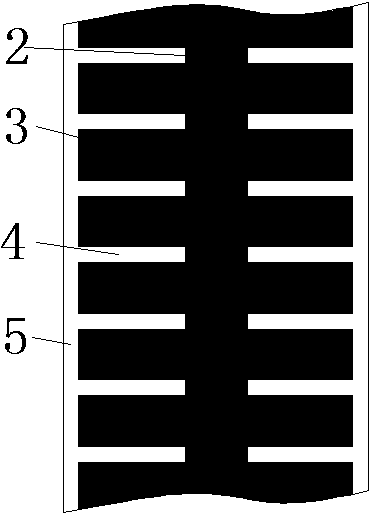
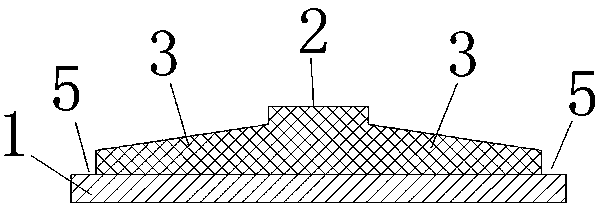
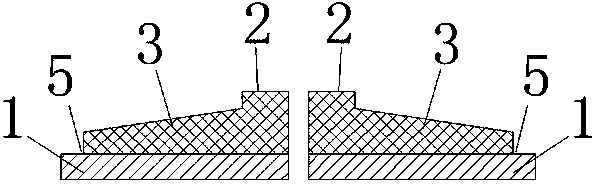
electrical breakdown of the capacitor, which will easily lead to early failure of the capacitor; A metallized safety film, which separates the metallized coating evaporated on the base film into many small coating units with narrow gaps, and each small coating unit has a function of a fuse (fuse) The metal filaments are connected. If there is an electroweak point on the thin film of this structure, the breakdown
discharge current will burn off the metal filaments connected to the small coating unit block where the point is located, so that the small coating at the electroweak point The unit is isolated from the overall capacitor electrode plate to form an insulating area to achieve self-healing, which can reduce the self-
healing time of the
film capacitor and reduce the damage to the medium. Although the overall capacitor loses the
capacitance of the isolated small plating unit, it can continue Maintain normal operation, so that the capacitor can increase the working
voltage and service life, and the effectiveness of using metallized safety film technology to improve the self-healing effect of the electric weak point of the
film capacitor has been well known
However, there are disadvantages in the metallized safety film: 1. When breakdown and self-healing occur, although the area of the isolated small coating unit is small, it is very different from the normal breakdown self-healing point coating area, so The
capacity loss value is many times larger than the standard index value of ordinary metallized film capacitors, and there is a defect of low
utilization rate of the effective area of the electrode coating, which will inevitably increase the volume of the capacitor; 2. Many metal filaments under normal operation have relatively low square resistance The large current
carrying capacity is small. When the capacitor is charging and discharging, the metal filaments become a heating point. Due to the huge number of metal filaments, the overall
equivalent series resistance of the metallized plating electrode increases, and its
heat generation will inevitably reduce the dielectric withstand voltage of the overall capacitor. , thereby reducing the dielectric working
field strength of the overall capacitor. In order to increase the dielectric working
field strength, it is usually achieved by increasing the thickness of the dielectric film, which will also increase the volume of the capacitor and increase the manufacturing cost of the capacitor.


 Login to View More
  Login to View More