
On-chip platform for single-molecule electrical conductance measurements
a single-molecule, electrical conductance technology, applied in the field of microelectromechanical devices and apparatuses, can solve the problems of a large number of protocols, and a large number of reagents, and achieves the effects of convenient integration, improved accuracy, and improved accuracy
- Summary
- Abstract
- Description
- Claims
- Application Information
AI Technical Summary
Benefits of technology
Problems solved by technology
Method used
Image

Examples
example 1
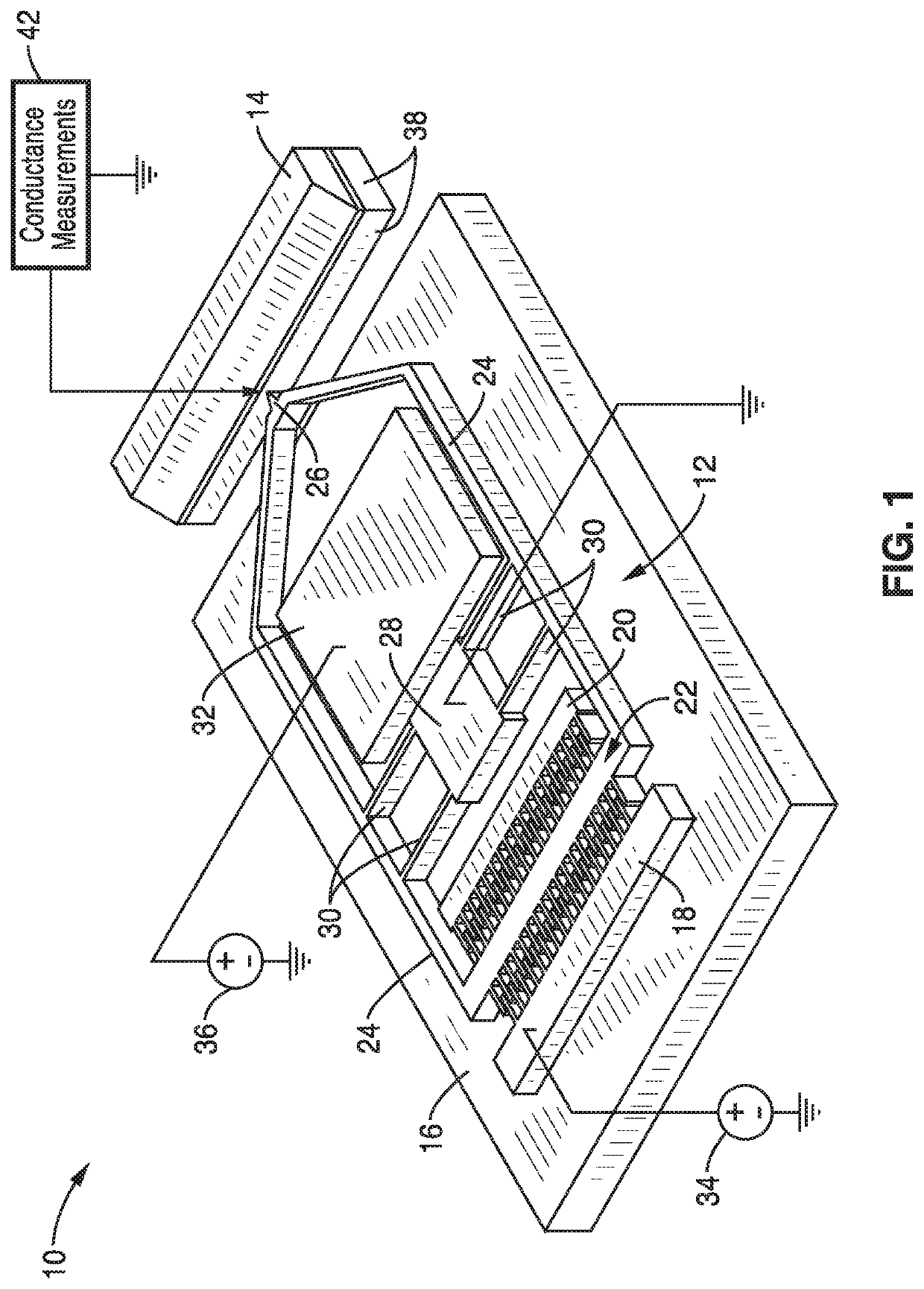
[0073]To demonstrate the detector system, a MEMS based break-junction (MEMS-BJ) platform with sub-angstrom mechanical control for measuring the conductance was fabricated and tested. The functionality of this MEMS-based tool was illustrated by measurements of the conductance of molecular RNA targets bound to complementary DNA probes that will ultimately allow the detection of a variety of microbial species.
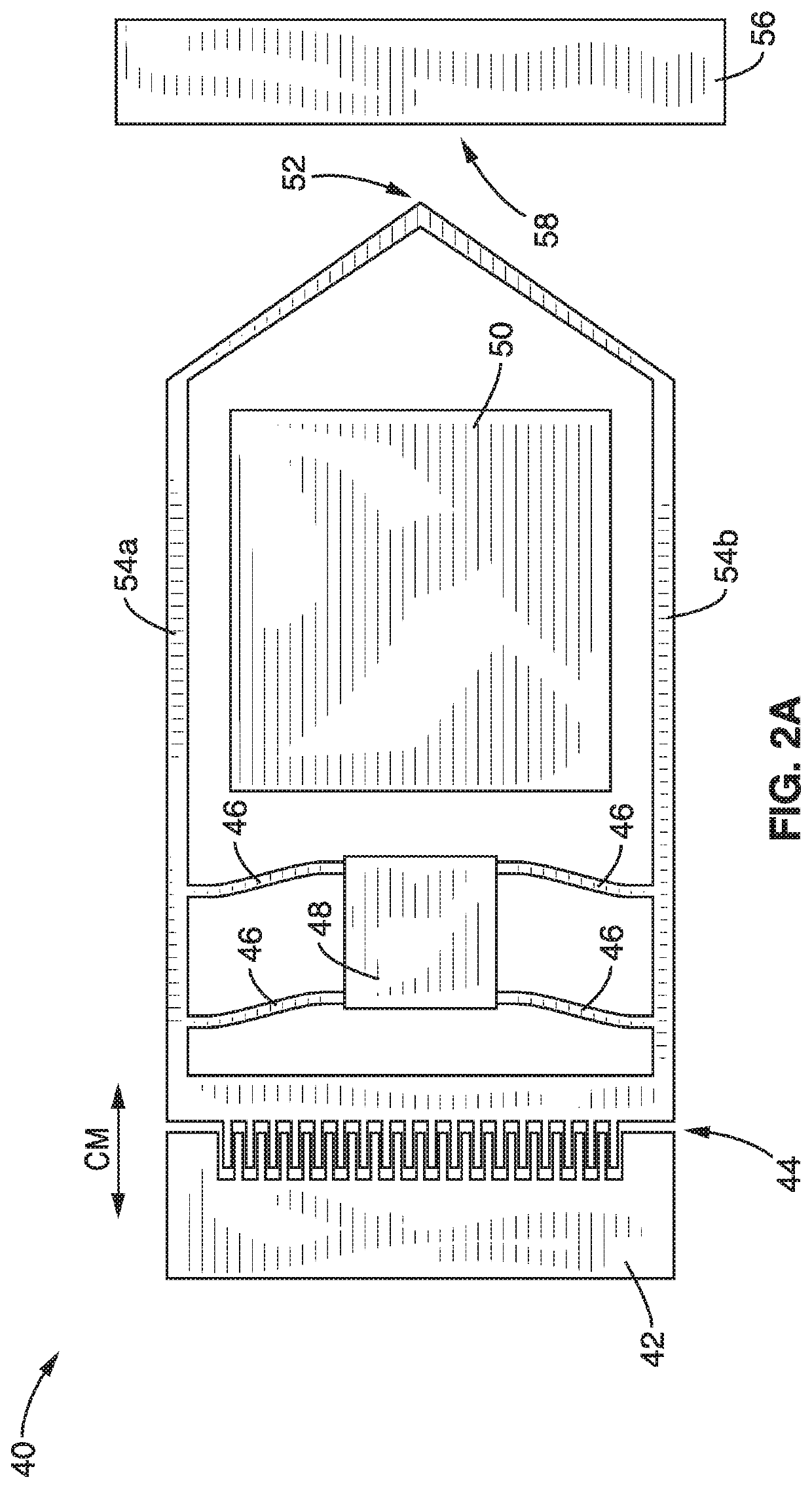
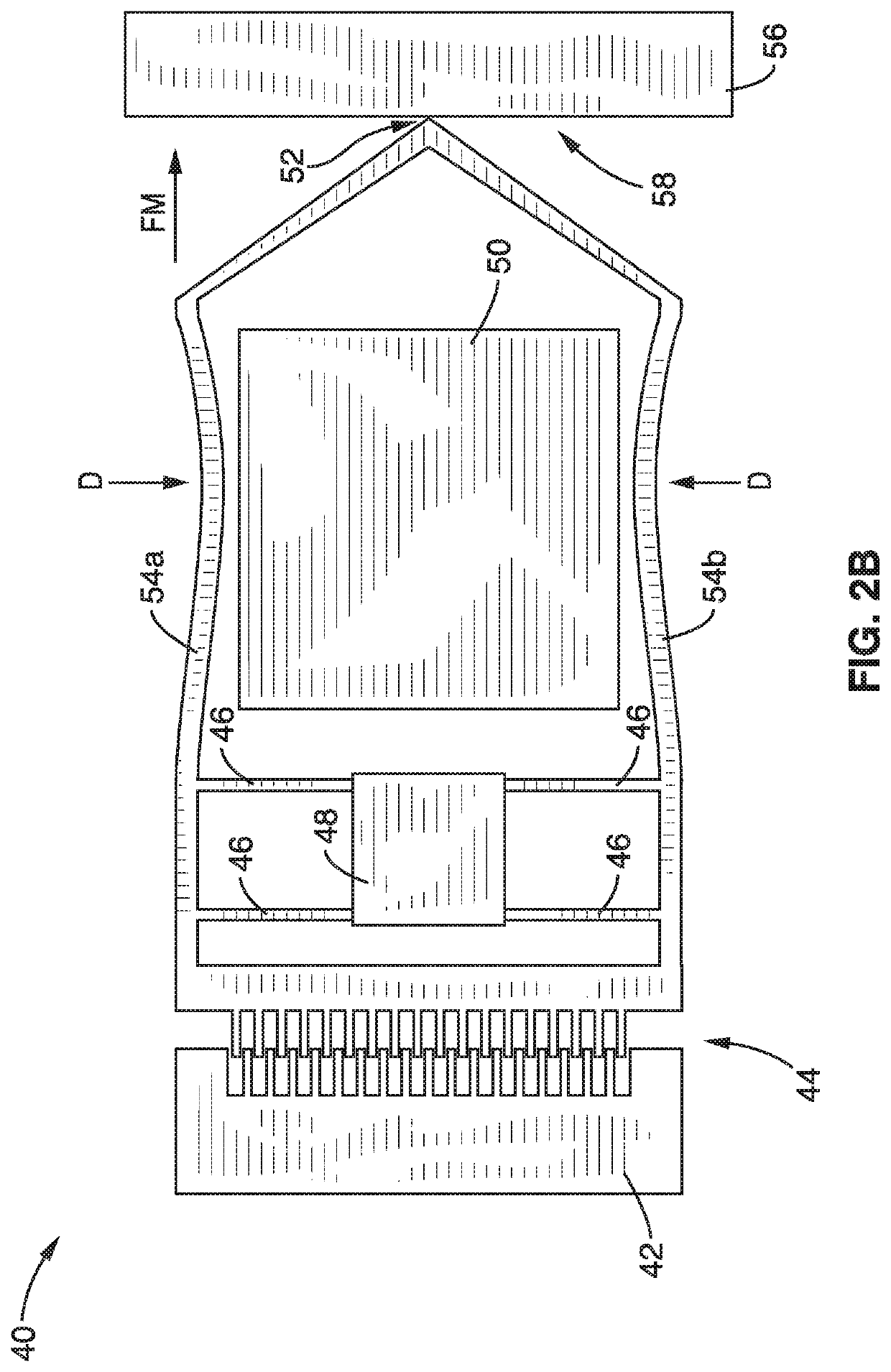
[0074]The platform structure of FIG. 1 was fabricated with a bidirectional comb drive, a parallel-plate mode actuator, and a gold plated conductive tip that could be brought into close proximity to a perpendicular flat second electrode. The comb drive had a stroke range of approximately 100 μm providing coarse movement of the dynamic electrode. The parallel-plate mode actuator provided fine movement of the tip with a resolution of approximately 0.03 Å.
[0075]Once the MEMS-BJ chip, the supporting PCB board, and software were completed, a series of calibration steps were performed. T...
example 2
[0079]in order to assess the functionality of the MEMS-BJ device, the capability of the device for performing single-molecule conductance measurements was tested. These tests demonstrated that it is possible to measure the conductance of oligonucleotide duplexes at the single-molecule level, that the conductance is sensitive to changes in length and sequence, that the target nucleic acid is stable enough to be detected in this fashion, and that the targeted molecules provide sufficient specificity that the conductance measurements will be able to discriminate between species and even strains or serotypes within a species.
[0080]Preliminary evaluations measured conductance of DNA duplexes and DNA:RNA hybrids, and detected single-nucleotide polymorphisms with Scanning Tunneling Microscope (STM)-break junction or Mechanically Controlled Break Junction (MCBJ) devices. Target RNA fragments were hybridized with complementary DNA sequences that were capable of binding to gold electrodes. Be...
example 3
[0088]The MEMS based break-junction (MEMS-BJ) platform with sub-angstrom mechanical control was used to measure the conductance of single RNA:DNA hybrid molecules to directly identify specific microbes of interest. The detection platform was used to demonstrate direct detection of one gram-negative (Escherichia coli) and one gram-positive (Lactobacillus plantarum) bacterial species. The capacity to detect both organisms is of importance for food production because E. coli is a potentially harmful species that can contaminate fresh produce and L. plantarum is a beneficial organism essential for producing fermented foods.
[0089]To further demonstrate the MEMS-BJ single-molecule conductance platform, the system was used to identify short fragments of the 16S rRNA gene transcript, a small subunit of ribosomal RNA from bacteria, as an illustration of the specificity of the system to uniquely identify serotypes of microbial species. The MEMS-BJ platform provides the opportunity to detect a...
PUM
| Property | Measurement | Unit |
|---|---|---|
| diameter | aaaaa | aaaaa |
| diameter | aaaaa | aaaaa |
| constant temperature | aaaaa | aaaaa |
Abstract
Description
Claims
Application Information
 Login to View More