Preparation and application of Nd<3-x>CoxNbO7-zincosilicate molecular sieve composite porous nanometer catalytic material

A nano-catalytic material, silicon-zinc molecular sieve technology, applied in molecular sieve catalysts, physical/chemical process catalysts, metal/metal oxide/metal hydroxide catalysts, etc., can solve the problem of increasing drug-resistant strains, expanding the scope of harm, and health hazards And other issues
CN104646003AActive Publication Date: 2015-05-27NANJING UNIV

Patent Information

Authority / Receiving Office
CN · China
Patent Type
Applications(China)
Current Assignee / Owner
NANJING UNIV
Publication Date
2015-05-27

Smart Images

  • Figure 1
    Figure 1
  • Figure 2
    Figure 2
  • Figure 3
    Figure 3
Patent Text Reader

Abstract

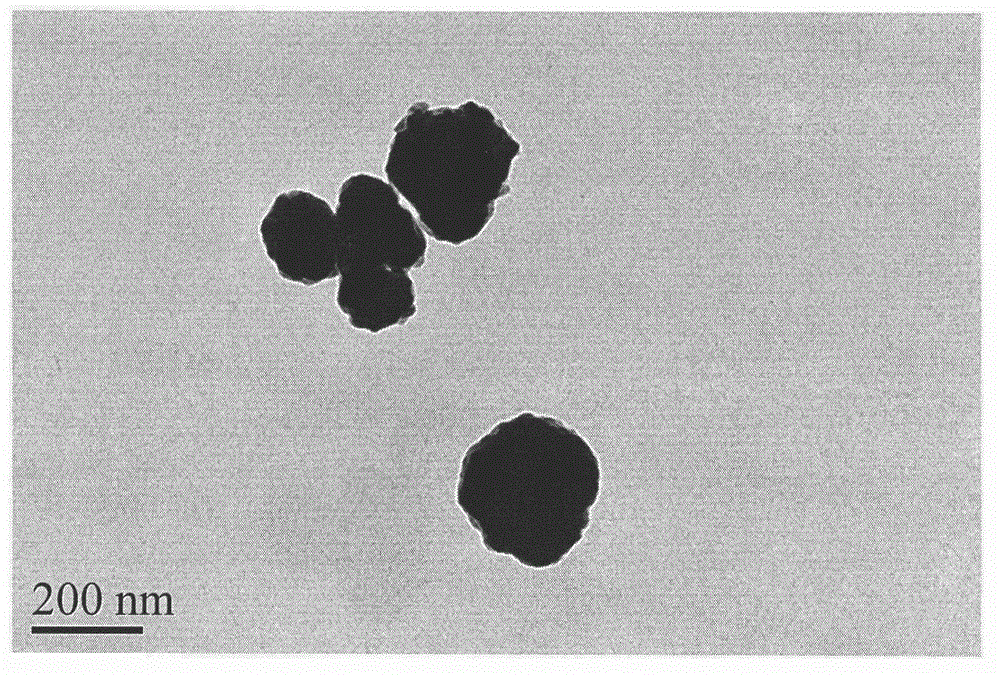
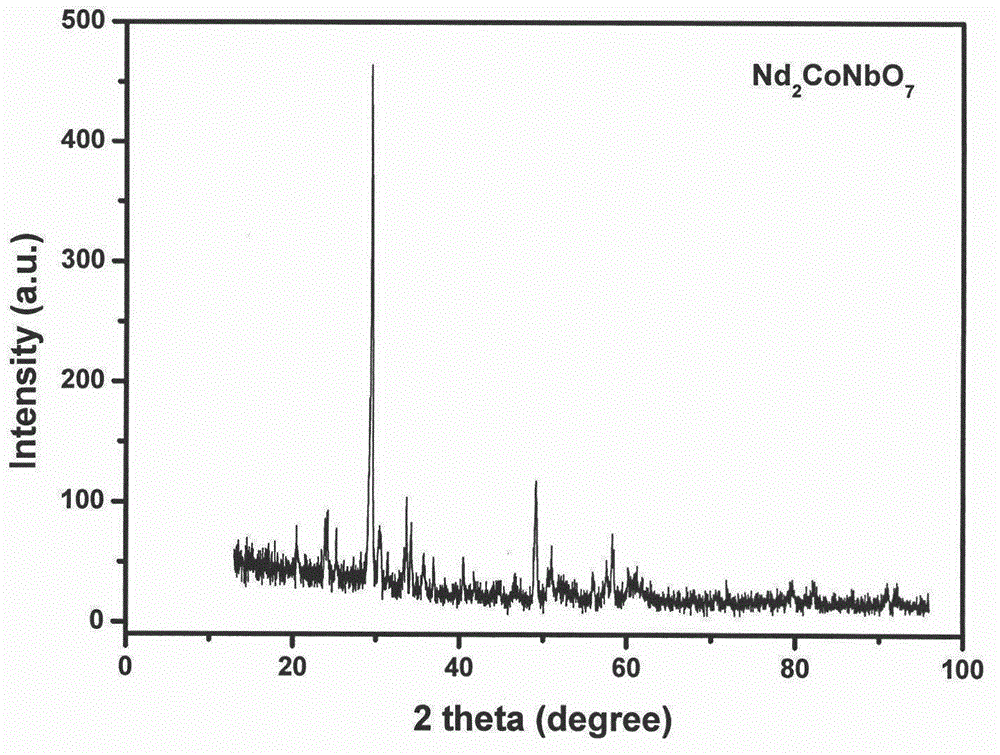
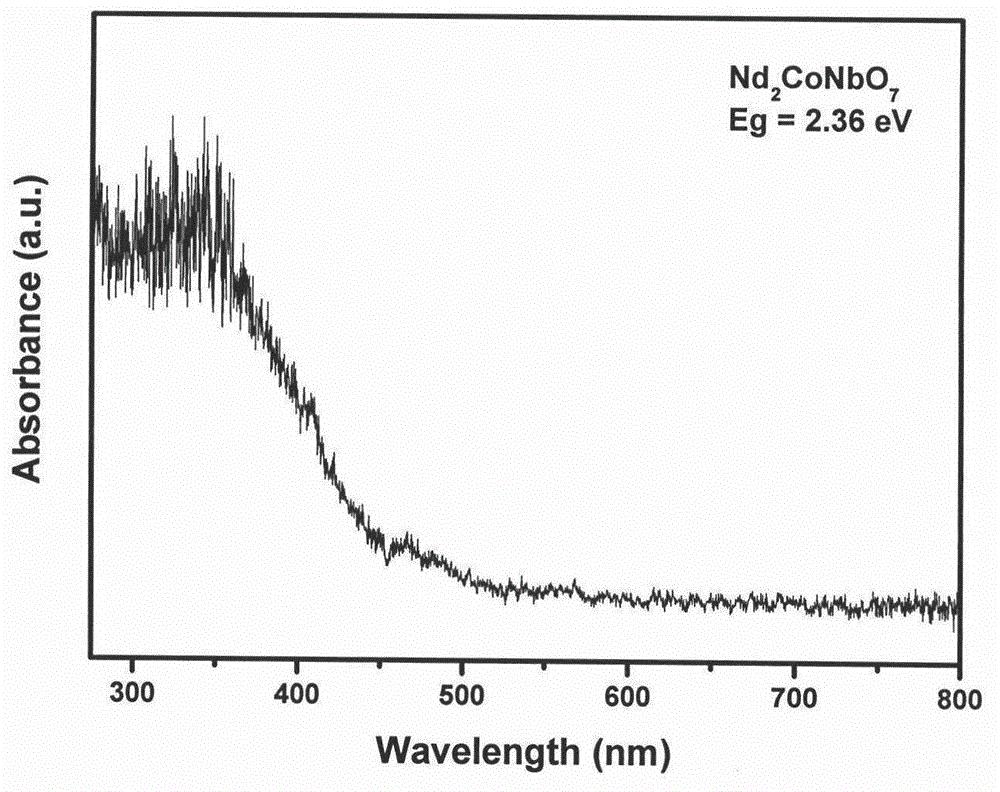
According to the invention, a powder catalytic material Nd<3-x>CoxNbO7 (x being greater than or equal to 0.5 and less than or equal to 1) is prepared by adopting a supercritical hydrosynthesis method and a chemical vapor condensation and deposition method; a composite porous nanometer catalytic material Nd<3-x>CoxNbO7 (x being greater than or equal to 0.5 and less than or equal to 1) -zincosilicate molecular sieve is prepared by adopting an impregnating and baking method; and a novel photoelectrode Nd<3-x>CoxNbO7 (x being greater than or equal to 0.5 and less than or equal to 1) is prepared. The three novel materials are represented: tissue morphology analysis is performed by a transmission electron microscopy, and results show that catalyst particles are irregular in shape, with the average particle size of 150 nm; phase analysis is performed by an X-ray diffractometer, and results show that Nd2CoNbO7 has a single phase, and relatively high crystallinity; the chemical speciation of the surface of the catalyst and the elementary composition of a microcell as well as the structural characteristics of an electronic shell are discussed by an X-ray photoelectron spectroscopy; and a characteristic absorption edge of the Nd2CoNbO7 is determined by a UV-Vis diffuse reflection spectroscopy to obtain the band gap width of the Nd2CoNbO7 which is 2.412 eV. Finally, the catalyst is used for decomposing water to produce hydrogen, and carrying out catalytic degradation on organic pollutants such as microcystic toxins, methylene blue and sulfamethoxazole in a water body under visible light. Experimental results show that the catalyst prepared according to the invention is good in catalytic effect.
Need to check novelty before this filing date? Find Prior Art

Description

technical field

[0001] The invention relates to two novel photocatalysts and a novel photoelectrode, which are respectively powder catalytic materials Nd 3-x co x NbO 7 (0.5≤x≤1), composite porous nanocatalytic material Nd 3-x co x NbO 7 (0.5≤x≤1)-Silicon Zinc Molecular Sieve and New Photoelectrode Nd 3-x co x NbO 7 (0.5≤x≤1). The content of the invention includes the preparation, characterization and application of these three new materials, and the applications include photocatalytic removal of organic pollutants in water bodies and photocatalytic decomposition of water to produce hydrogen. Background technique

[0002] In the past 300 years, starting from the British Industrial Revolution, human society has developed rapidly in all aspects. However, behind the substantial economic growth, energy has been over-exploited and the environment has also been threatened unprecedentedly. In order to deal with the dual crises of energy and environment, many measures have...

Claims

the structure of the environmentally friendly knitted fabric provided by the present invention; figure 2 Flow chart of the yarn wrapping machine for environmentally friendly knitted fabrics and storage devices; image 3 Is the parameter map of the yarn covering machine
Login to View More