
Ecological cultivation method for grapes
A cultivation method and grape technology, applied in the field of viticulture, can solve the problems of plant burns, poor soil air permeability, drying and death, etc., and achieve the effects of increasing effective time, reducing use, and reducing pests and diseases.
Patent Information
- Authority / Receiving Office
- CN · China
- Current Assignee / Owner
- Publication Date
- 2020-03-17
- Estimated Expiration
- Not applicable · inactive patent
Smart Images
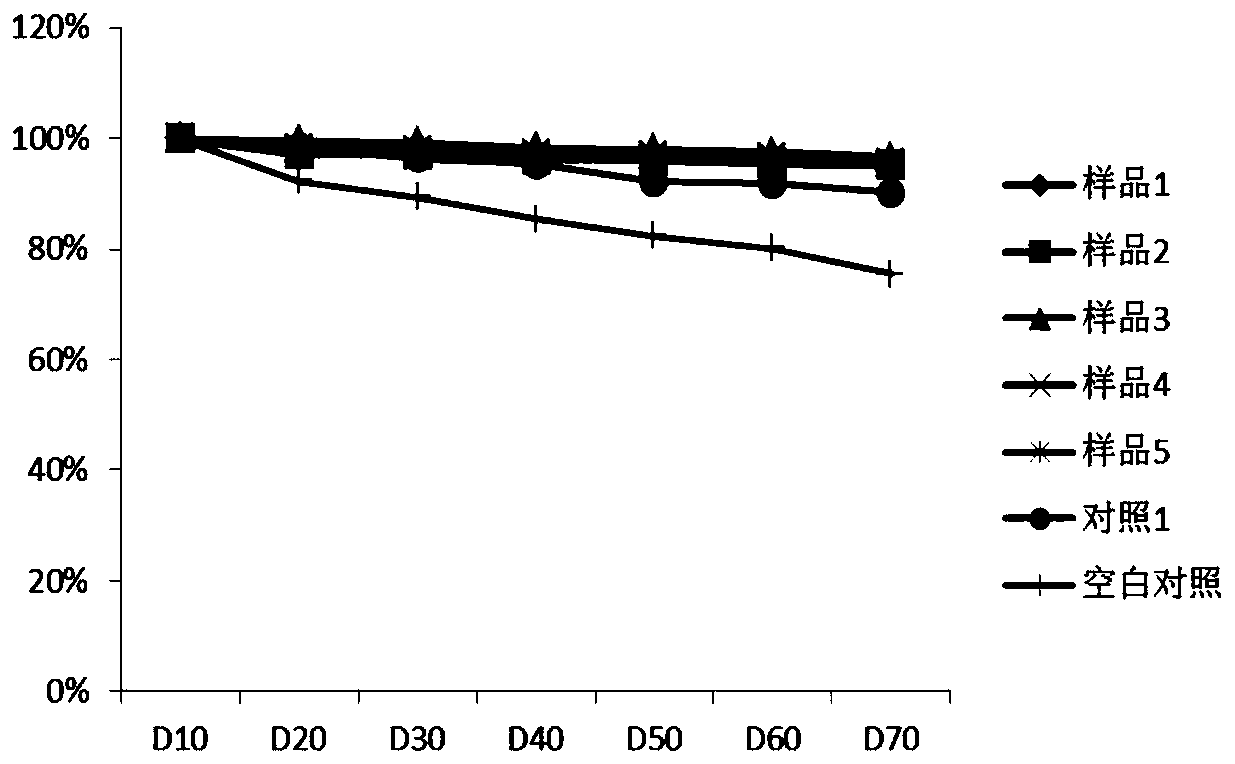
Figure 1 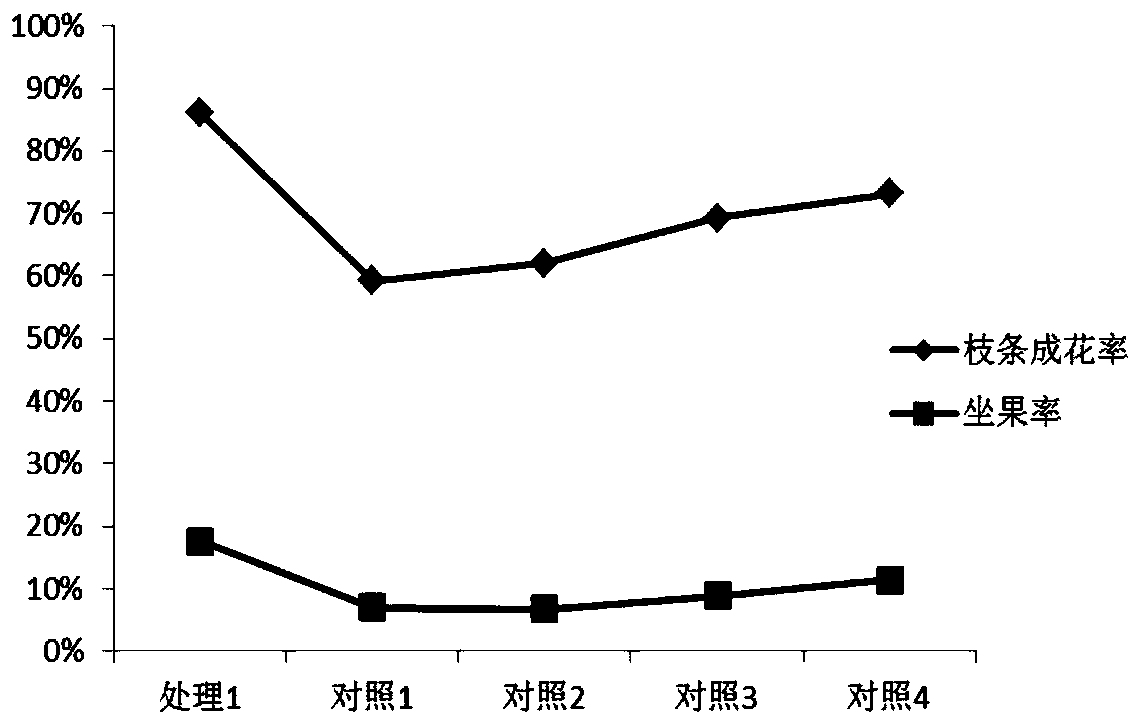
Figure 2 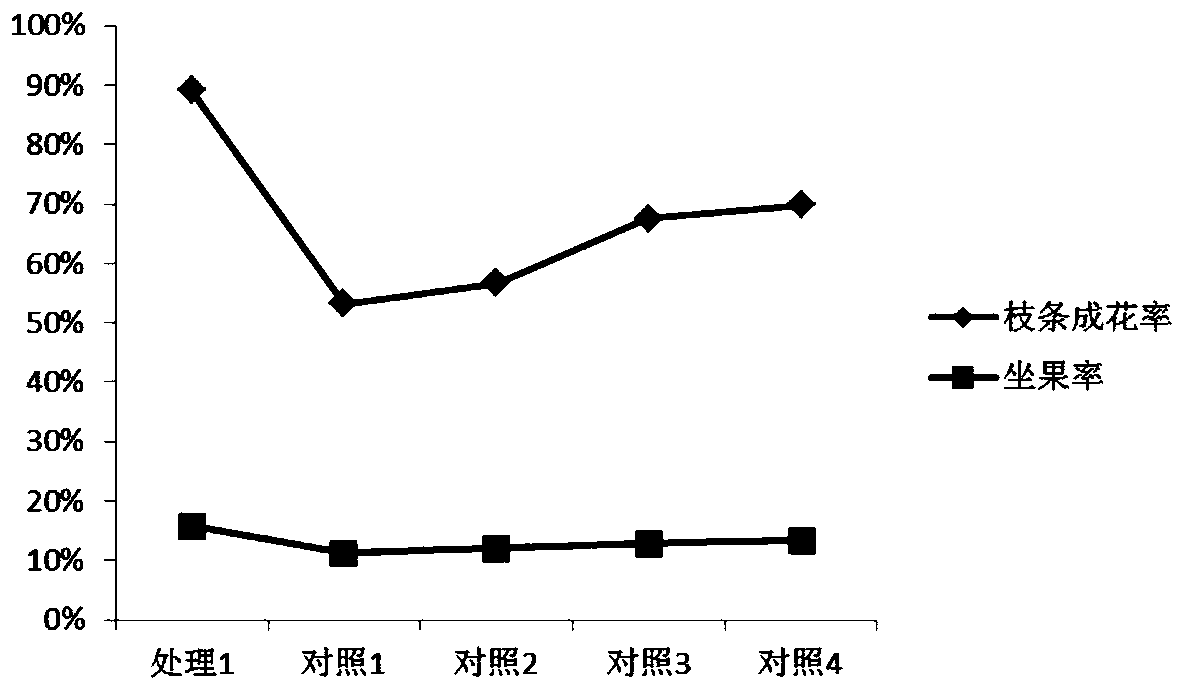
Figure 3
Abstract
Description
technical field
[0001] The invention relates to grape cultivation techniques, in particular to an ecological cultivation method for grapes. Background technique
[0002] The excessive use of chemical fertilizers and pesticides in our country is serious. Due to the excessive use of pesticides and chemical fertilizers, we are facing a series of the most serious environmental pollution problems, including soil and water acidification, surface and groundwater resource pollution, and increasing greenhouse gas emissions. Typically, less than 1% of applied pesticides actually find their way into the target pests, leaving the rest to pollute air, soil and water. At present in China, the nitrogen absorption efficiency of rice, wheat, and corn is only about 26% to 28%, while the absorption rate of vegetable crops is less than 20%, and the rest is completely lost to the environment. The main reasons for the excessive application of chemical fertilizers and pesticides are: first, the l...
Examples
Embodiment 1
[0037] Example 1: Heat 500 parts of distilled water to 80-95 ° C, adjust the pH of the aqueous solution to 4-5, dissolve 0.5-1 part of matrine, 5-8 parts of polyvinyl alcohol and 1-2 parts of chitosan according to the amount Spray-dry in distilled water to prepare a composite insecticide with a particle size of 5-10 μm.
[0038] Table 1 Investigation of insect control effect of compound insecticides
[0039] components sample 1 sample 2 sample 3 Sample 4 Sample 5 Matrine 3 5 4 4.5 3.5 polyvinyl alcohol 5 8 6 6 8 Chitosan 1 2 1.5 1.2 1
[0040] Take 0.3% matrine water as control 1, dilute 0.3% matrine water 800 times, focus on spraying on the middle and upper young leaves of grape plants, and the active ingredients of matrine applied in the remaining samples 1-5 and Contrast 1 is the same, distilled water is used as blank control, investigates the morbidity rate of grape plant from flowering stage to ripe stage, the results...
Embodiment 2
[0042] Example 2: During the leaf spreading period, the difference between the daytime temperature in the shed and the nighttime temperature in the shed affects the quality of the grapes. The blank control is the grapes grown at natural temperature. The rest of the treatment conditions are the same, and the chlorophyll content of the grape plants after entering the expansion period is measured. , the survey results of different varieties of grapes are shown in Table 2. From the results in Table 2, it can be seen that the stress resistance of grapes can be significantly improved, the growth of grape plants can be increased, and the grape Chlorophyll content in leaves.
[0043] Table 2 Effect of low temperature stimulation on grape growth
[0044]
Embodiment 3
[0045] Embodiment 3: the microbial bacterial fertilizer and calcium superphosphate are mixed in a mass ratio of 2:1, the microbial bacterial fertilizer is 10kg / mu, and the amount of calcium phosphate is 5kg / mu; At the bottom of the hole, spread urea on the upper layer of microbial fertilizer. The mass ratio of urea and microbial fertilizer is 1:1. Each grape is 20g of microbial agent, and urea is 20g / plant; the control is the amount of calcium phosphate used alone 5kg / mu, 10kg / mu, 15kg / mu, 20kg / mu and the rest are the same. The results are shown in Table 3.
[0046] Table 3 Effects of different fertilizer spraying at the budding stage on flowering and fruit setting rate of Sunshine Rose branches
[0047]
[0048]
[0049] Table 4 Effects of different fertilizer spraying at the germination stage on the flowering and fruit setting rate of Xiahei branches
[0050]
[0051] As can be seen from the results of Table 3 and Table 4, in the present invention, when calcium ph...