
Ultraviolet-screening patch
a technology of ultraviolet light and patch, applied in the field of patches, can solve the problems of high cost and to be worried about, and achieve the effects of reducing the content of medicines, preventing the decomposition of medicines, and reducing the incidence of new skin allergies
- Summary
- Abstract
- Description
- Claims
- Application Information
AI Technical Summary
Benefits of technology
Problems solved by technology
Method used
Image

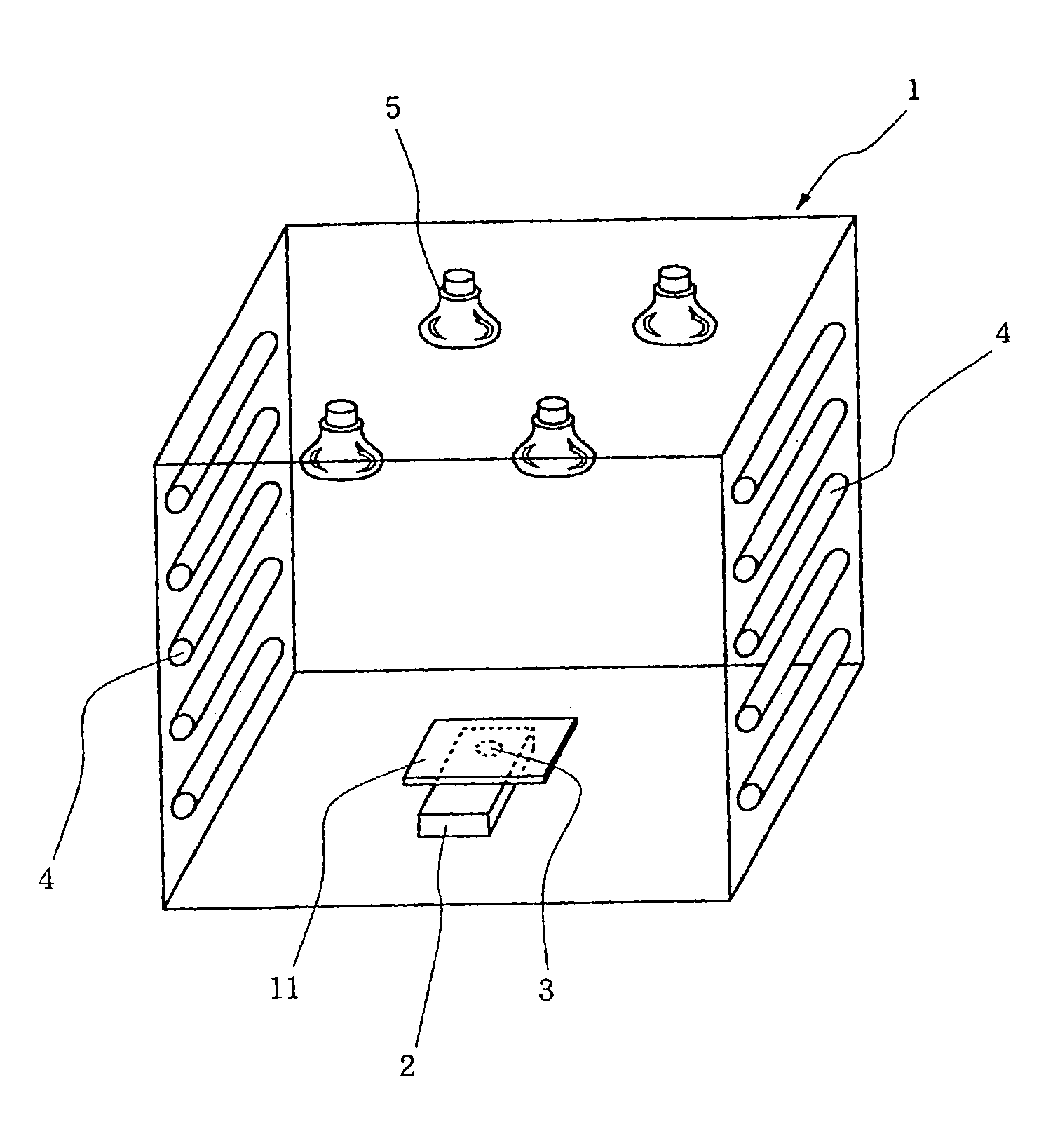
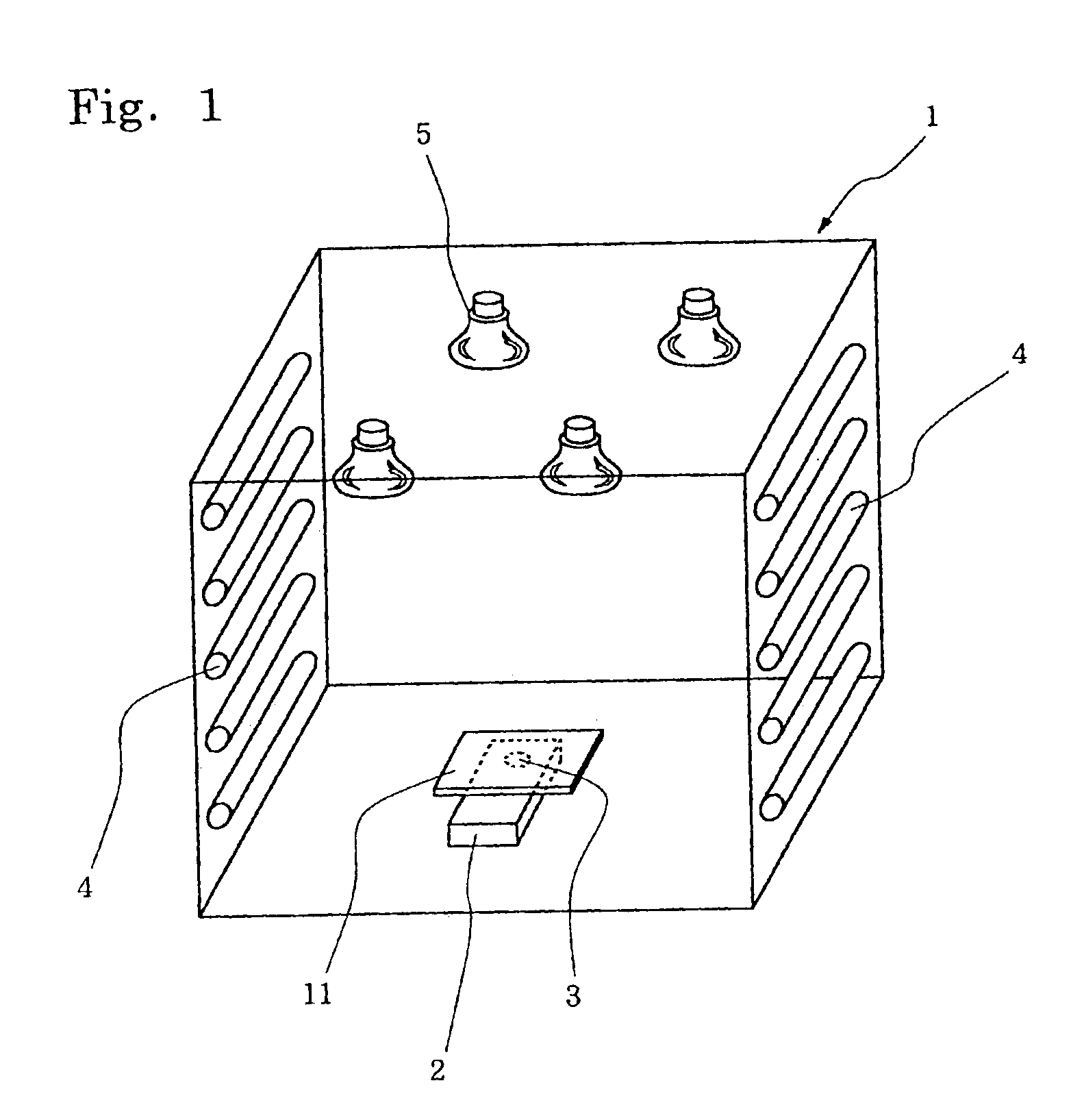
Examples
example 1
[0091]The base obtained in Formulation 1 was spread on a polypropylene film at a ratio of 10 g / 140 cm2. On the other hand, 0.5 parts by mass of 2-(2′-hydroxy-5′-methylphenyl)-benzotriazole was adsorbed onto 99.5 parts by mass of polyester non-woven cloth to give a backing processed for screening ultraviolet light. The above base spread on the film was covered with this backing, pressure-contact transferred and cut into gel patches each of a desired size.
example 2
[0092]The base obtained in Formulation 1 was spread on a polyethylene film at a ratio of 10 g / 140 cm2. On the other hand, 1 part by mass of 2-hydroxy-4-methoxybenzophenone was adsorbed onto 99 parts by mass of a polypropylene non-woven cloth to give a backing processed for screening ultraviolet light. The above base spread on the film was covered with this backing, pressure-contact transferred and cut into gel patches each of a desired size.
example 3
[0093]The base obtained in Formulation 2 was spread on a polyester film at a ratio of 10 g / 140 cm2. On the other hand, 6 parts by mass of titanium oxide were kneaded into 94 parts by mass of polyester resin to give a polyester non-woven cloth backing processed for screening ultraviolet light. The above base spread on the film was covered with this backing, pressure-contact transferred and cut into gel patches each of a desired size.
PUM
| Property | Measurement | Unit |
|---|---|---|
| temperature | aaaaa | aaaaa |
| light transmittance | aaaaa | aaaaa |
| light transmittance | aaaaa | aaaaa |
Abstract
Description
Claims
Application Information
 Login to View More