
Columnar activated carbon, preparation method thereof as well as carrier of ruthenium-based ammonia synthesis catalyst
A technology of activated carbon and activator, applied in the field of activated carbon, can solve problems such as difficulty in preparing columnar activated carbon, and achieve the effects of high strength, good synergy and expanding application prospects
- Summary
- Abstract
- Description
- Claims
- Application Information
AI Technical Summary
Problems solved by technology
Method used
Image

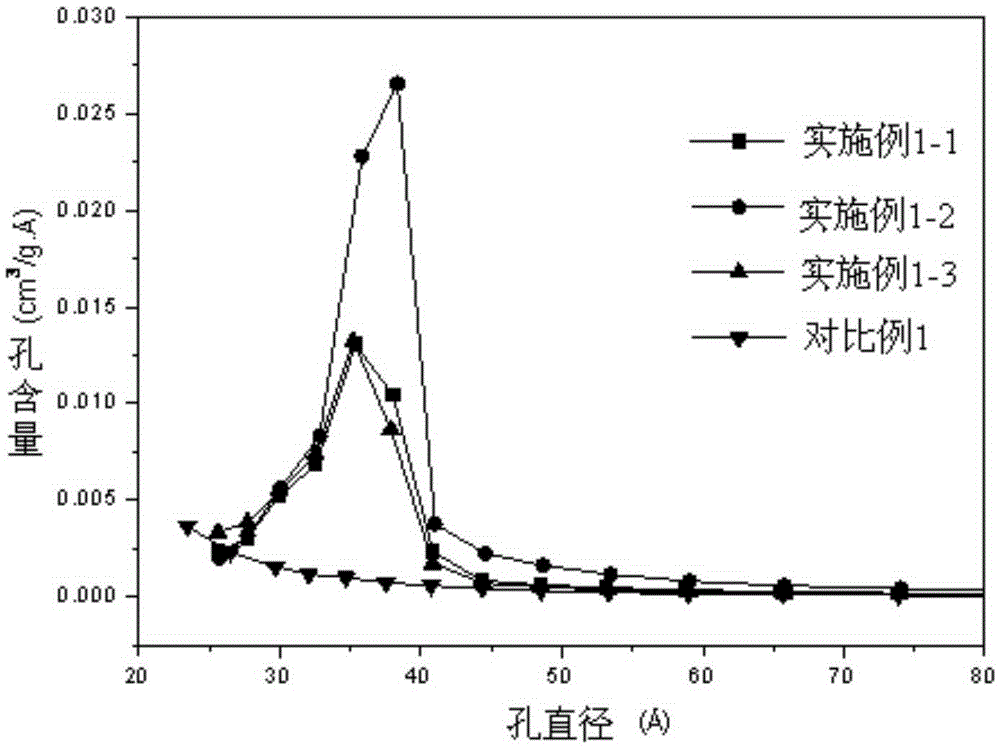
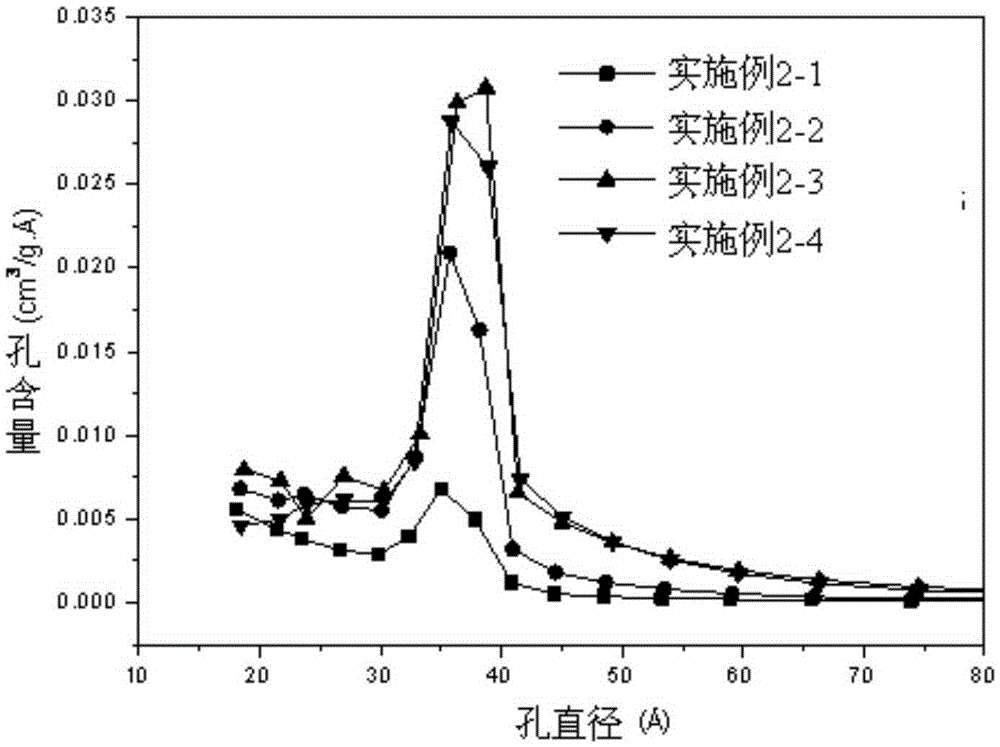
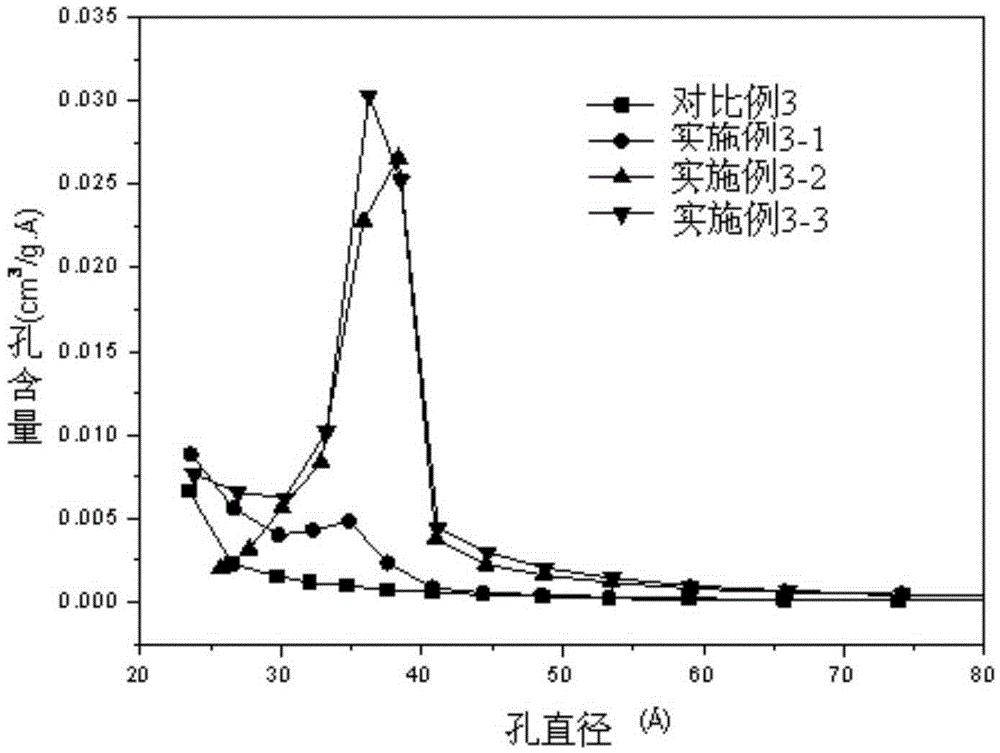
Examples
Embodiment 1-1
[0039] The clean coconut shell is dried and crushed, crossed a 100 mesh sieve, then gets 50g of coconut shell powder, adds 1.5g of field greens powder, mixes evenly, adds mixed solution (44g mass fraction is the phosphoric acid of 85%, 2.5gKH 2 PO 4 , 15g water), placed in a kneader and kneaded for 40min;
[0040]Then take it out and dry it in a vacuum drying oven at 40°C for 20 minutes, then extrude and shape it. The molding material is placed in a drying oven at 120°C for pre-curing for 3 hours, and then the material is placed in an atmosphere furnace for carbonization and activation. The process parameters are: argon Atmosphere, the flow rate is controlled at 100ml / min, the heating rate is 5°C / min, the final temperature is set at 800°C, and maintained for 1h;
[0041] When the temperature drops to room temperature, take it out, rinse it with water until the pH value is 6, and dry it.
Embodiment 1-2
[0043] The clean coconut shell is dried and broken, crossed 100 mesh sieve, then get 50g coconut shell powder, add 1.5g scallop powder, mix well, add mixed solution (44g mass fraction is phosphoric acid of 85%, 2.5gK 2 HPO 4 , 15g water), placed in a kneader and kneaded for 30min;
[0044] Then take it out and dry it in a vacuum drying oven at 50°C for 30 minutes, then extrude and shape it. The molding material is placed in a drying oven at 110°C for pre-curing for 3 hours, and then the material is placed in an atmosphere furnace for carbonization and activation, in an argon atmosphere, and the flow rate is controlled as 100ml / min, the heating rate is 5°C / min, the final temperature is set at 800°C, and maintained for 1h;
[0045] When the temperature drops to room temperature, take it out, rinse it with water until the pH value is 6, and dry it.
Embodiment 1-3
[0047] The clean coconut shell is dried and broken, crossed a 100-mesh sieve, then gets 50g of coconut shell powder, adds 1.5g of field turnip powder, mixes evenly, adds mixed solution (44g mass fraction is phosphoric acid of 85%, 2.5gKNO 3 , 15g water), placed in a kneader and kneaded for 40min;
[0048] Then take it out and dry it in a vacuum drying oven at 40°C for 20 minutes, then extrude and shape it. The molding material is placed in a drying oven at 120°C for pre-curing for 3 hours, and then the material is placed in an atmosphere furnace for carbonization and activation. The process parameters are: argon Atmosphere, the flow rate is controlled at 100ml / min, the heating rate is 5°C / min, the final temperature is set at 800°C, and maintained for 1h;
[0049] When the temperature drops to room temperature, take it out, rinse it with water until the pH value is 6, and dry it.
PUM
 Login to View More
 Abstract
Description
Claims
Application Information
 Login to View More