Al technical title is built by PatSnap Al team. It summarizes the technical point description of the patent document.
A cultivation method and technology of pilose antler mushrooms, applied in the field of fungi production, can solve the problems of weak mushroom growth, slow mycelium germination, and long post-ripening time, and achieve low shrinkage rate, thorough sterilization, and short post-ripening time Effect
Inactive Publication Date: 2020-10-16
HUNAN HEPING BIOLOGICAL TECH CO LTD
View PDF7 Cites 1 Cited by
Summary
Abstract
Description
Claims
Application Information
AI Technical Summary
This helps you quickly interpret patents by identifying the three key elements:
Problems solved by technology
Method used
Benefits of technology
Problems solved by technology
[0003] The existing antler mushroom cultivation technology has a long cultivation cycle, slow myceliumgermination, relatively dark mycelia, weak fungus fruiting, long post-ripening time, and low conversion rate
Method used
the structure of the environmentally friendly knitted fabric provided by the present invention; figure 2 Flow chart of the yarn wrapping machine for environmentally friendly knitted fabrics and storage devices; image 3 Is the parameter map of the yarn covering machine
View more
Image
Smart Image Click on the blue labels to locate them in the text.
Viewing Examples
Smart Image
Click on the blue label to locate the original text in one second.
Reading with bidirectional positioning of images and text.
[0036] A factory cultivation method of pilose antler mushroom, comprising the following steps:
[0037] 1) Stirring: according to the mass ratio, dry and stir the above matrix for 25 minutes, then add water and stir for 45 minutes;
[0038] After wet stirring, the water content of the matrix is controlled at 66%, and the Ph value is controlled at 7.5;
[0039] 2) bottling: carry out bottling process to the substrate in step 1);
[0040] 3) High-pressure steam sterilization: use high-pressure steam to sterilize after bottling;
[0041] Sterilization time: heat up to 100°C, keep warm for 60 minutes, then keep warm at 115°C for 20 minutes, and finally keep warm at 122°C for 70 minutes, pressure 0.013 MPa;
[0042] 4) Cooling: After s...
Embodiment 2
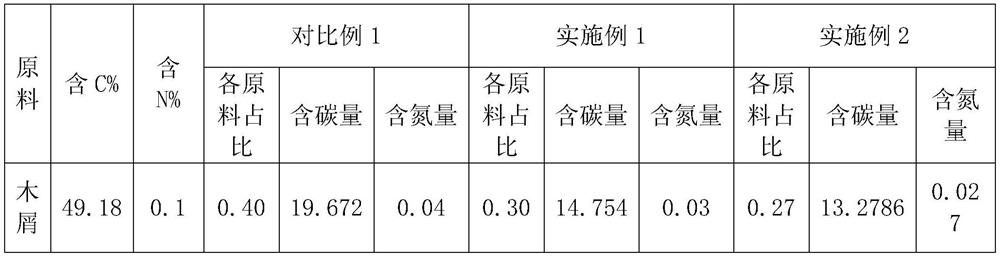
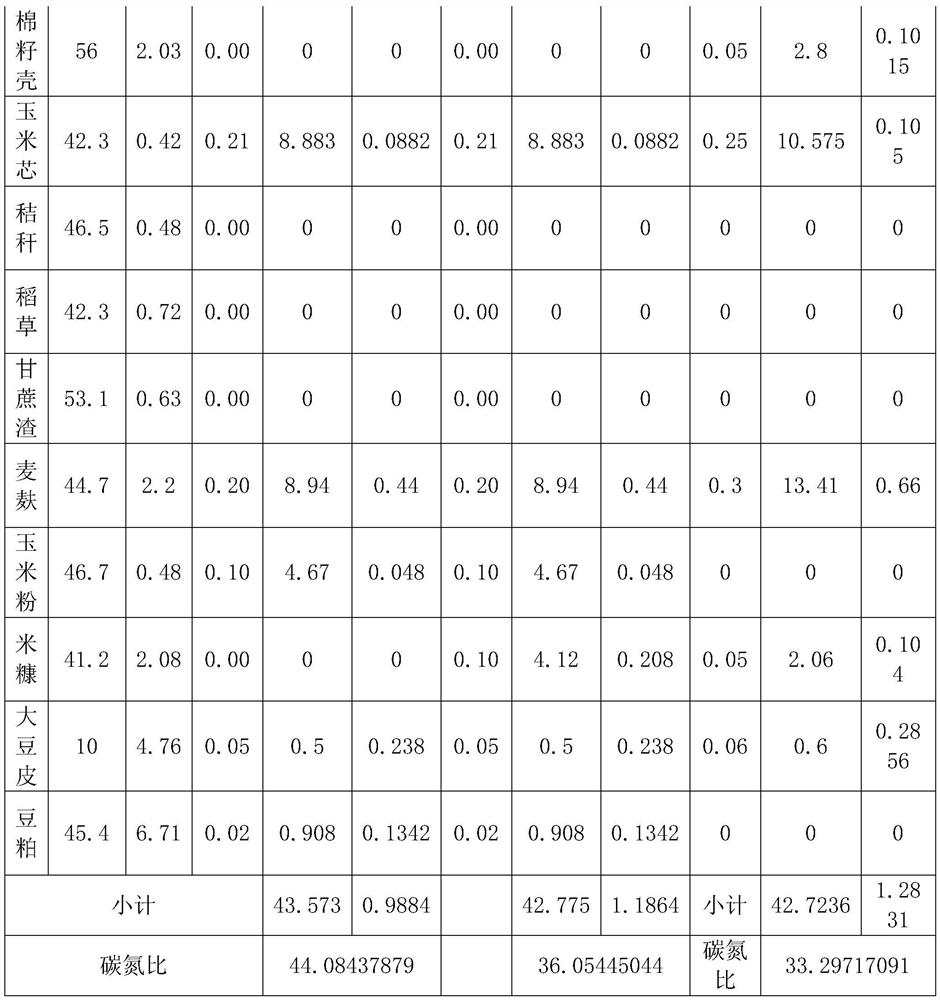
[0059] The matrix, in terms of mass percentage, includes the following raw materials: 27% corncob, 5% cottonseedhull, 25% sawdust, 30% wheat bran, 5% rice bran, 6% soybean hull, 1.0% light calciumcarbonate, and 1.0% slaked lime.
[0060] A factory cultivation method of pilose antler mushroom, comprising the following steps:
[0061] 1) Stirring: according to the mass ratio, dry and stir the above matrix for 25 minutes, then add water and stir for 45 minutes;
[0062]After wet stirring, the water content of the matrix is controlled at 66%, and the Ph value is controlled at 7.5;
[0063] 2) bottling: carry out bottling process to the substrate in step 1);
[0064] 3) High-pressure steam sterilization: use high-pressure steam to sterilize after bottling;
[0065] Sterilization time: heat up to 100°C, keep warm for 60 minutes, then keep warm at 115°C for 20 minutes, and finally keep warm at 122°C for 70 minutes, pressure 0.013 MPa;
[0066] Cooling: After sterilization, put...
the structure of the environmentally friendly knitted fabric provided by the present invention; figure 2 Flow chart of the yarn wrapping machine for environmentally friendly knitted fabrics and storage devices; image 3 Is the parameter map of the yarn covering machine
Login to View More
PUM
Login to View More
Abstract
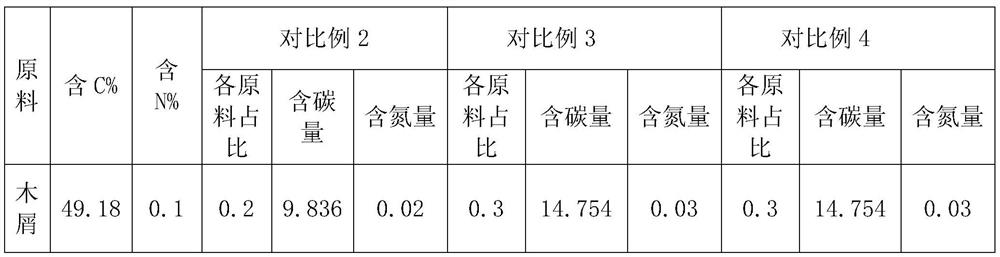
The invention provides a Lyophyllum decastes industrialized cultivation method. The Lyophyllum decastes industrialized cultivation method industrialized cultivation method comprises the following steps: 1) stirring; 2) bottling; 3) high-pressure steam sterilization; 4) cooling; 5) inoculating; 6) culturing bacteria; 7) re-culturing; 8) mycelium stimulation; 9) germination accelerating management;10) primary mushroom cultivation management; 11) secondary mushroom cultivation management; 12) harvesting. High-pressure steam is used for sterilization, sterilization is thorough, the effect of inhibiting growth of infectious microbes is good, the conversion rate can be greatly increased, meanwhile, it can be guaranteed that the medium has certain humidity, and the growth vigor of hyphae can begreatly improved during bacterium culture. According to the formula of the substrate, the mass ratio of C to N is 33-37, fruiting is powerful, the after-ripening time is short, the atrophy rate is low, the yield is high, and the biological conversion rate is high. The formula of the medium comprises a wood rotting type and a cotton rotting type, hyphae grow vigorously and densely and germinate fast, and the hyphae are white, thick and strong and good in quality.
Description
technical field [0001] The invention relates to the field of fungi production, in particular to a method for industrialized cultivation of antler mushrooms. Background technique [0002] Antlermushroom (Lyophyllum decastes) belongs to Plant kingdom, Eumycota, Hymenomycetes, Agaricales, Tricholomataceae, and genus Lyophyllum in taxonomy. (Lyophyllum). It is a delicious edible fungus. The scientific name is coralfungus. The fruiting body is upright, branching upwards into clusters of twigs, fleshy, generally a few centimeters to more than 10 centimeters high, shaped like a broom or coral, and like a young deer antler. Hence the name. Studies have shown that the content of crude protein and amino acids in the fruiting bodies of velvet antler mushrooms is high, and the fat content is low; it also contains trace elements beneficial to the human body such as zinc, copper and selenium, as well as a large amount of vitamins and niacin, which have high nutritional value. Accordi...
Claims
the structure of the environmentally friendly knitted fabric provided by the present invention; figure 2 Flow chart of the yarn wrapping machine for environmentally friendly knitted fabrics and storage devices; image 3 Is the parameter map of the yarn covering machine
Login to View More
Application Information
Patent Timeline
Application Date:The date an application was filed.
Publication Date:The date a patent or application was officially published.
First Publication Date:The earliest publication date of a patent with the same application number.
Issue Date:Publication date of the patent grant document.
PCT Entry Date:The Entry date of PCT National Phase.
Estimated Expiry Date:The statutory expiry date of a patent right according to the Patent Law, and it is the longest term of protection that the patent right can achieve without the termination of the patent right due to other reasons(Term extension factor has been taken into account ).
Invalid Date:Actual expiry date is based on effective date or publication date of legal transaction data of invalid patent.



 Login to View More
  Login to View More