Device for treating wound gaps

US20070014862A1Inactive Publication Date: 2007-01-18PAMEIJER CORNELIS +2

Image

Smart Image Click on the blue labels to locate them in the text.
Viewing Examples
Smart Image
  • Device for treating wound gaps
  • Device for treating wound gaps

Examples

Experimental program
Comparison scheme
Effect test

Embodiment Construction

[0017] Disclosed herein are compositions and devices directed to the clotting of blood and the dressing of wounds. The compositions generally comprise oxidized cellulose materials that can minimize or stop the flow of blood by absorbing at least portions of the liquid phases of the blood, thereby promoting clotting. Although the compositions and devices are particularly suited for use in treating wound gaps in oral environments, the present invention is not limited in this regard and the compositions and devices can be used in any medical application in which it is desired to arrest the flow of blood.

[0018] Oxidized cellulose is a chemically oxidized form of a common cellulose fiber such as cotton and is also known as cellulosic acid, absorbable cellulose, or polyanhydroglucuronic acid. The degree of oxidation of the fiber is a function of the carboxylation content of the fibrous cellulose material. In particular, as the number of carboxyl groups on the cellulose structure is incre...

the structure of the environmentally friendly knitted fabric provided by the present invention; figure 2 Flow chart of the yarn wrapping machine for environmentally friendly knitted fabrics and storage devices; image 3 Is the parameter map of the yarn covering machine
Login to View More

PUM

PropertyMeasurementUnit
Lengthaaaaaaaaaa
Timeaaaaaaaaaa
Sizeaaaaaaaaaa
Login to View More

Abstract

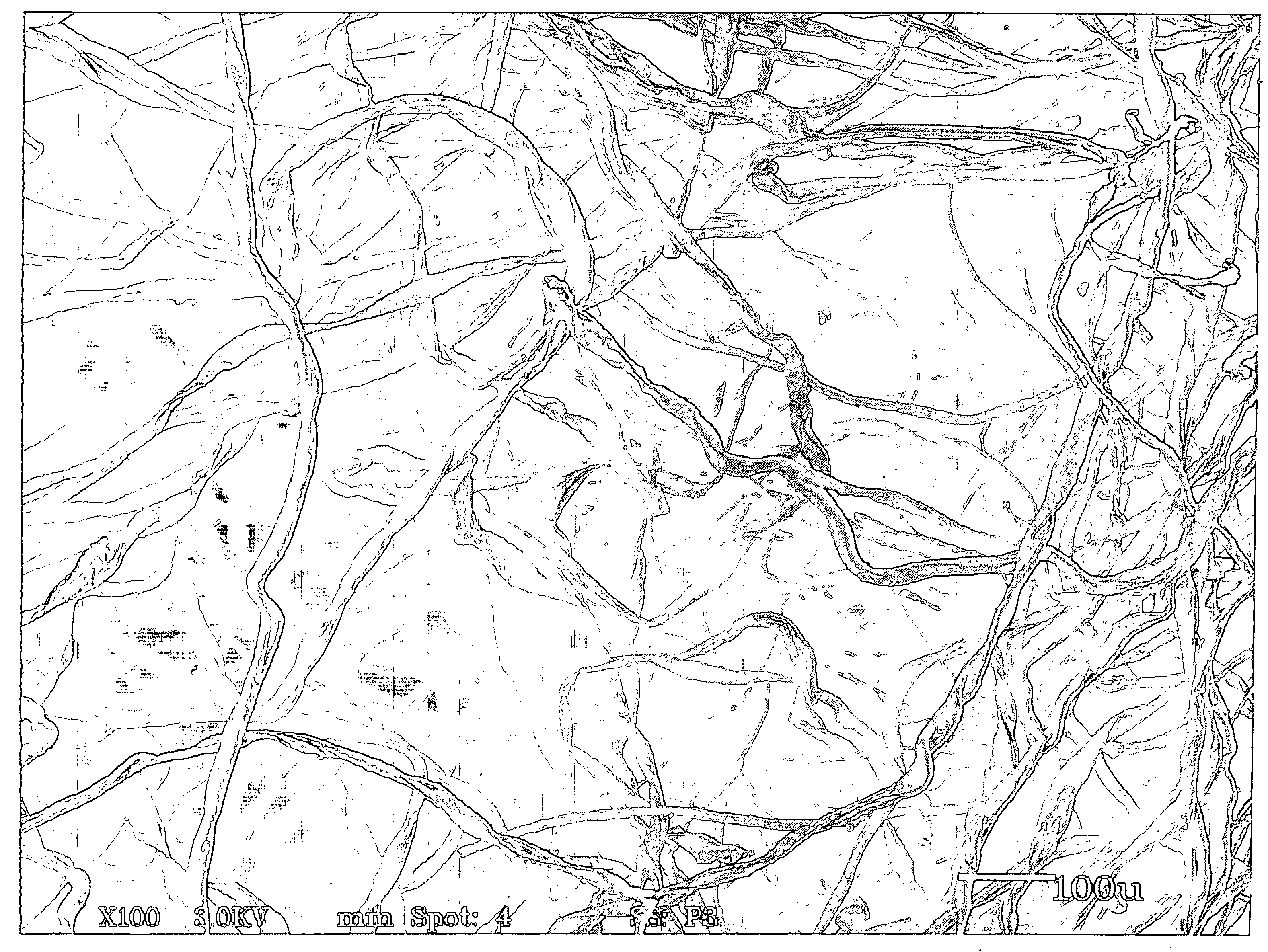
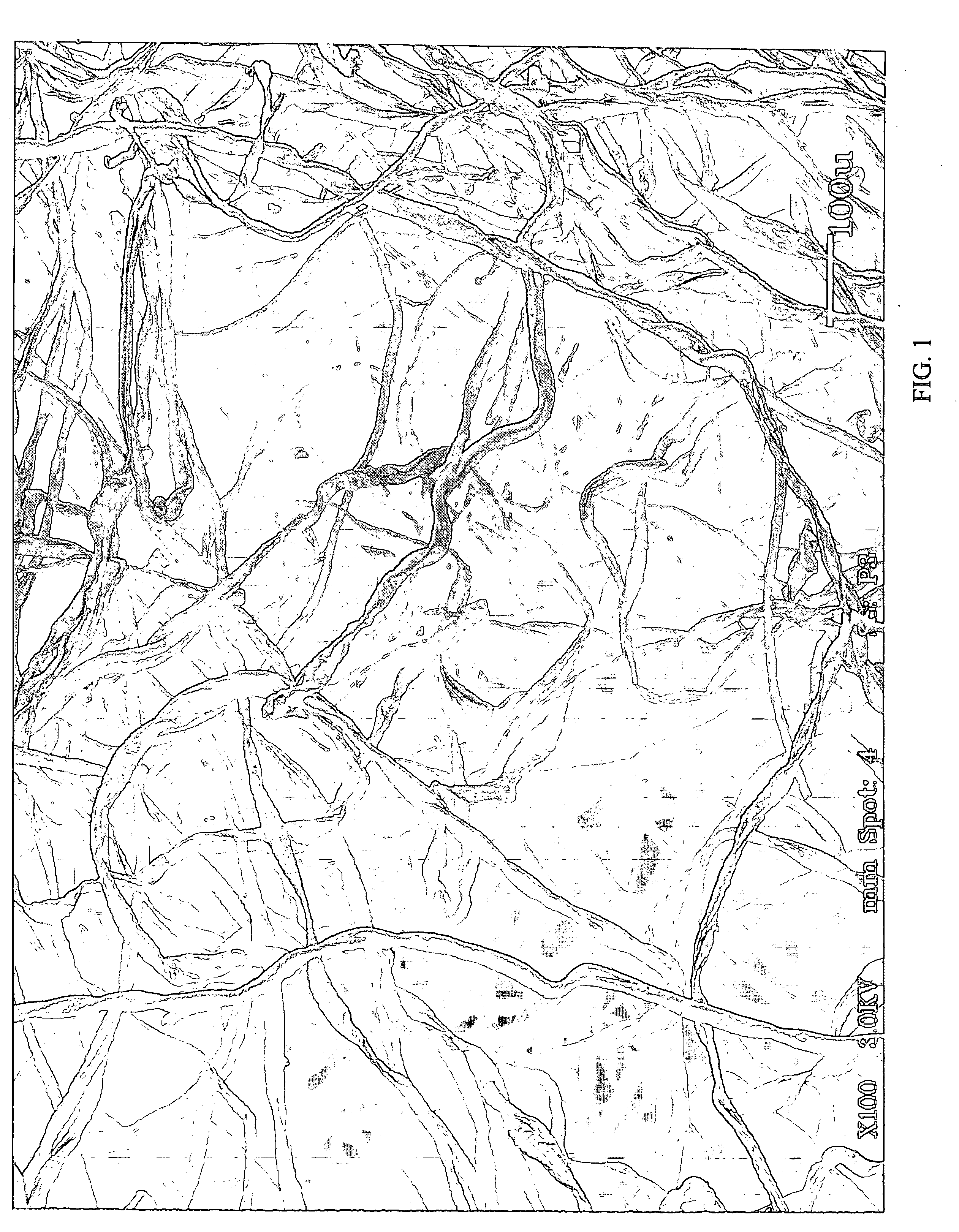
A hemostatic agent comprises oxidized cellulose in the form of a compressible, shapeable mass that can remain substantially in the compressed or shaped form for placement on a bleed site or into a wound gap. The oxidized cellulose may be a pellet of unwoven oxidized cellulose fibrous strands, or it may be strands of unwoven cellulose fibers woven or otherwise arranged into a gauze or mesh. In a method of causing hemostasis, oxidized cellulose is provided in pellet form and applied to a wound gap. The pellet may be compressed before being applied to the wound, which thereby allows the pellet to expand to conform to the shape of the wound gap. The pellet may be allowed to remain in the wound gap during the healing of the wound, thus causing the pellet to be absorbed by the biological processes of the body.

Description

CROSS REFERENCE TO RELATED APPLICATION [0001] This application is a continuation-in-part of U.S. patent application Ser. No. 10 / 961,604, filed Oct. 12, 2004, the contents of which are incorporated herein by reference in their entirety.BACKGROUND OF THE INVENTION [0002] Blood is a liquid tissue that includes red cells, white cells, corpuscles, and platelets dispersed in a liquid phase. The liquid phase is plasma, which includes acids, lipids, solublized electrolytes, and proteins. The proteins are suspended in the liquid phase and can be separated out of the liquid phase by any of a variety of methods such as filtration, centrifugation, electrophoresis, and immunochemical techniques. One particular protein suspended in the liquid phase is fibrinogen. When bleeding occurs, the fibrinogen reacts with water and thrombin (an enzyme) to form fibrin, which is insoluble in blood and polymerizes to form clots. [0003] Medical, dental, and veterinary practitioners often encounter and / or treat ...

Claims

the structure of the environmentally friendly knitted fabric provided by the present invention; figure 2 Flow chart of the yarn wrapping machine for environmentally friendly knitted fabrics and storage devices; image 3 Is the parameter map of the yarn covering machine
Login to View More

Application Information

Patent Timeline
18 Jan 2007
Publication
US20070014862A1
IPC
A61K9/14
CPC
A61L15/28; A61L2400/04; C08B15/04; C08L1/04
Inventors
PAMEIJER, CORNELIS; JENSEN, STEVEN