Polymerase chain reaction-sequence based typing (PCR-SBT) method for ABO blood type genotyping and reagent

A PCR-SBT, ABO blood type technology, applied in the field of genotyping detection, can solve the problems of difficult PCR amplification, misjudgment of blood type genotype, missed detection, etc.

CN101921834BActive Publication Date: 2012-12-19浙江省血液中心
0 Cites 0 Cited by

Patent Information

Authority / Receiving Office
CN · China
Patent Type
Patents(China)
Current Assignee / Owner
Publication Date
2012-12-19

Smart Images

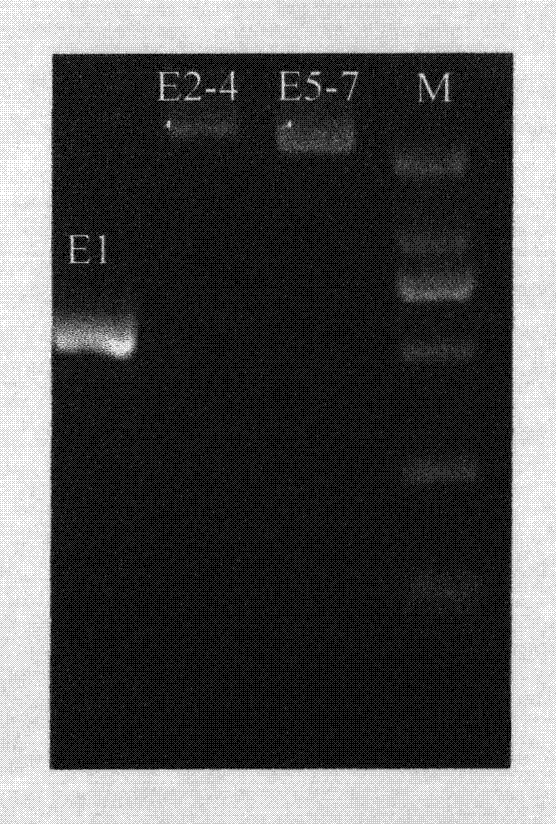
  • Figure 1
    Figure 1
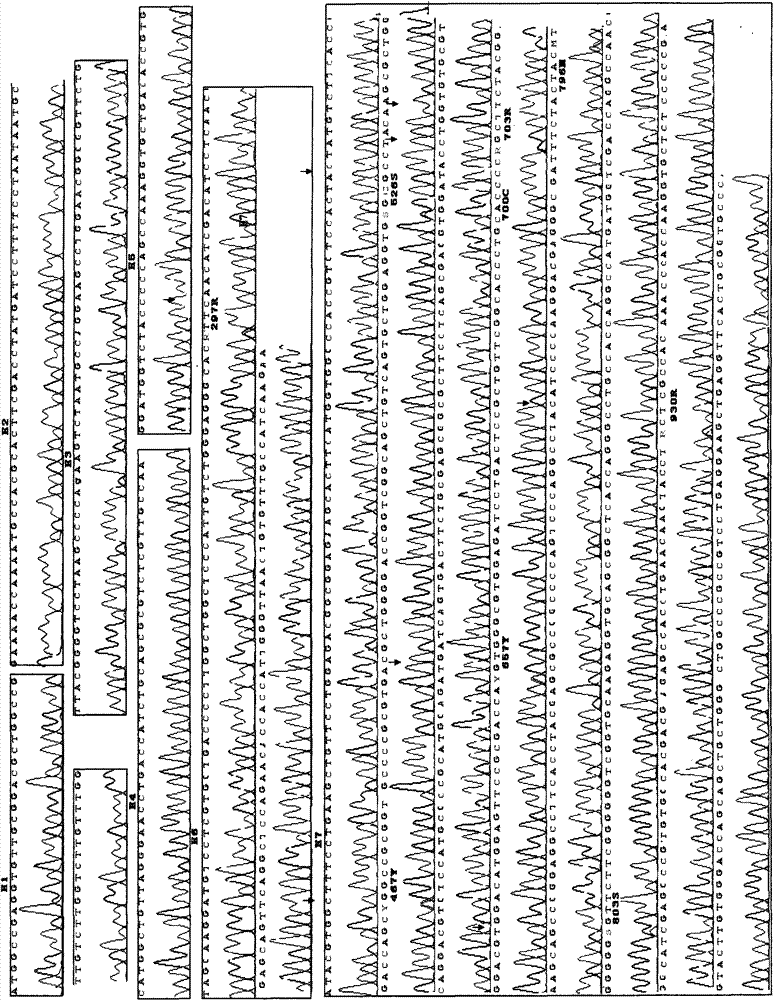
  • Figure 2
    Figure 2
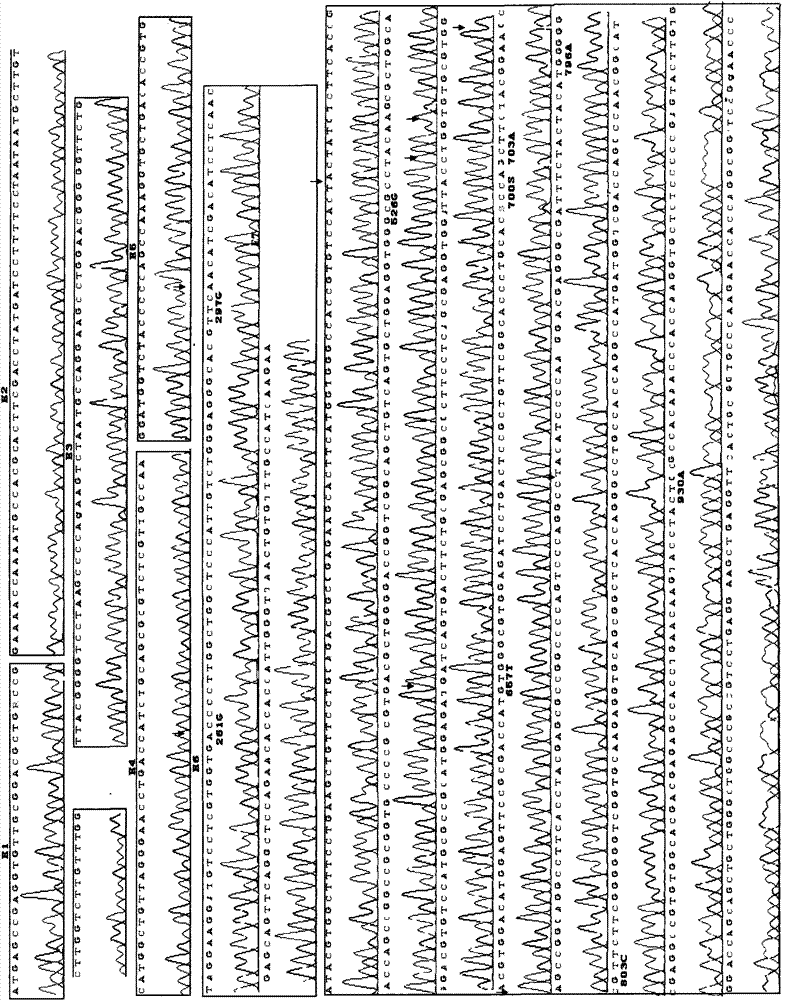
  • Figure 3
    Figure 3
Patent Text Reader

Abstract

The invention provides a polymerase chain reaction-sequence based typing (PCR-SBT) method for ABO blood type genotyping. The method comprises the following steps of: preparing human genome DNA; amplifying segments of ABO gene exon 1, exons 2-4 and exons 5-7; performing double enzyme digestion purification on the obtained amplified products; performing a sequencing PCR reaction on the purified products; purifying the sequenced products by a sodium acetate-ethanol precipitation method and performing capillary electrophoresis sequencing; and analyzing the obtained sequences by using software to determine the genotype. The method has the advantages of solving the problems of identification of an ABO subtype, judgment of difficult blood types, discovery of a new mutational site, gene recombination among genes, genetic polymorphism detection and the like, exerting the characteristics of high flux and result accuracy of ABO genotyping operation by PCR-SBT, achieving great importance for the relative application in the fields of clinical transfusion medicinal research, genetics and the like and having important practical significance for medicinal research units, pharmic research and reagent development units.
Need to check novelty before this filing date? Find Prior Art

Description

technical field

[0001] The invention relates to a genotyping detection method, in particular to a molecular biology detection method for ABO blood type genotyping, and also relates to reagents used in the method. Background technique

[0002] The human ABO gene is located on chromosome 9 (9q34.1-34.2), controlled by three multiple alleles A, B and O, including 7 exons ranging in length from 28 to 688 bp and a length of about 19514 bp 6 introns, the total length is about 18 ~ 20kb. The gene coding product is a glycosyltransferase, most of the coding sequence (823bp in 1062bp) is located on the 6th and 7th exon, which is responsible for encoding the catalytic region of the glycosyltransferase. These transferases control the biosynthesis of ABO blood group antigens, thereby determining their blood type. The DNA sequences of other alleles of ABO blood type are highly conserved and closely related to the DNA sequence of A101, with only a few base substitutions or single base de...

Examples

Embodiment

[0097] Generally, anti-A and anti-B reagents are used to determine whether there are A antigens and B antigens on red blood cells, and the determination of ABO blood type is called positive typing; using red blood cells known to have A and B antigens to type serum is called reverse typing. Only by matching the positive and negative stereotypes can the misidentification of ABO blood type be avoided. That is to say, in the test, the red blood cells have A and B antigens, but there are no A and B antibodies in the serum, so we can be completely sure that the AB type is correct this time. The positive and negative stereotypes do not match, that is, the results of the positive and negative stereotypes are inconsistent, and the correct blood type cannot be determined. In this example, the discrepancy between positive and negative typing of the sample indicates that the red blood cells express A and B antigens, and there is anti-A1 antibody in the serum, so the blood type cannot be d...