Synthesis method of 2-chloro-5-chloromethyl-1,3-thiazole
A synthesis method, chloromethyl technology, applied in electrolysis process, electrolysis components, electrolysis organic production, etc., can solve problems such as equipment corrosion and environmental pollution, achieve the effects of eliminating equipment corrosion, good product purity, and improving atom economy
- Summary
- Abstract
- Description
- Claims
- Application Information
AI Technical Summary
Problems solved by technology
Method used
Image

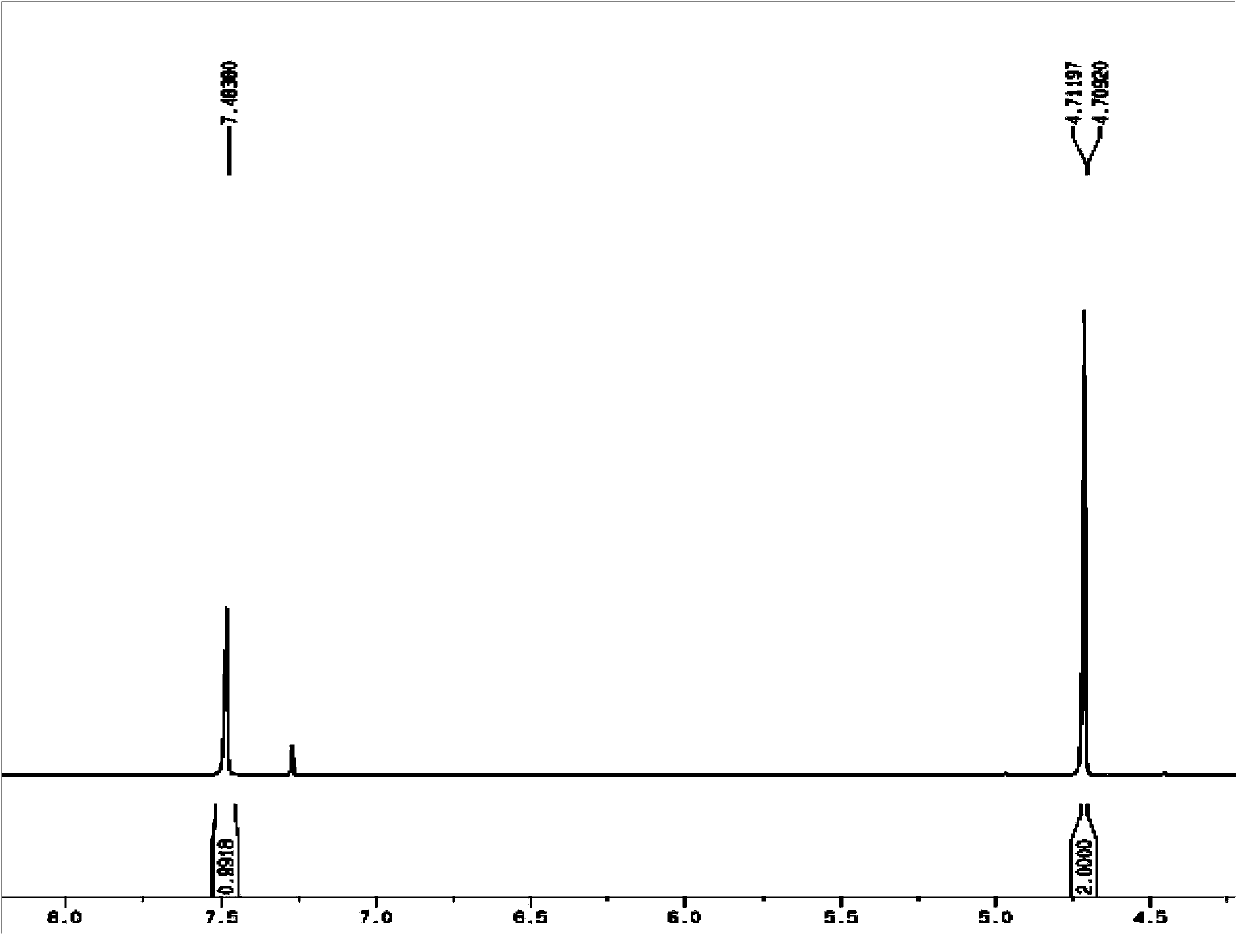
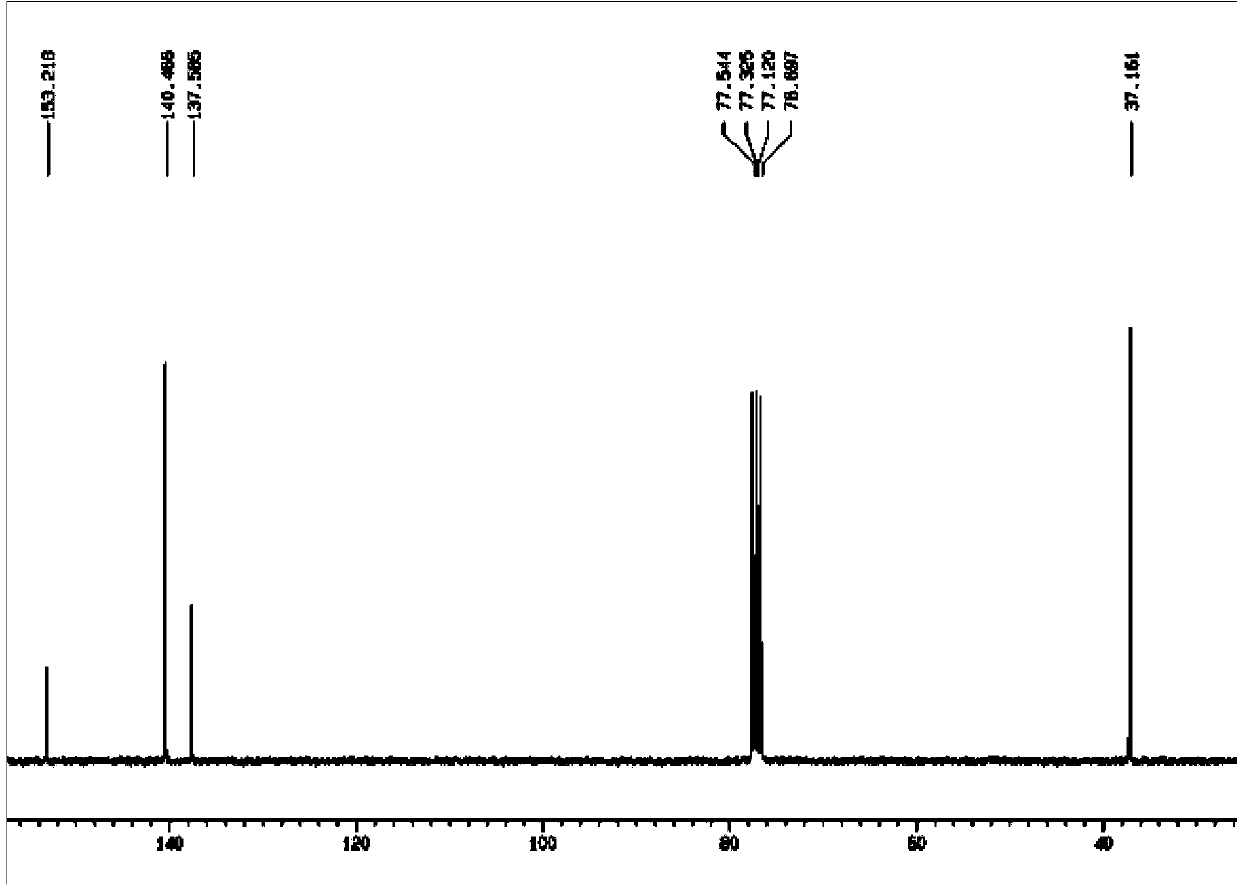
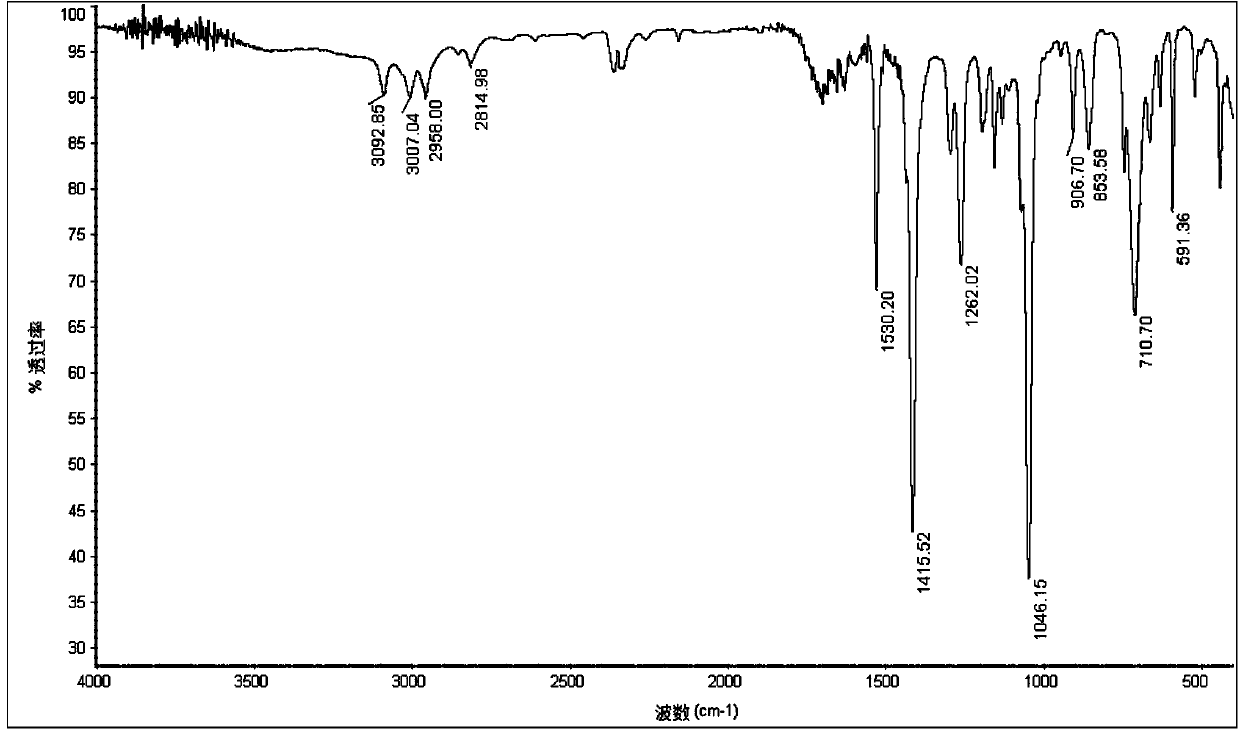
Examples
specific Embodiment approach 1
[0020] Specific embodiment one: a kind of synthetic method of 2-chloro-5-chloromethyl-1,3-thiazole in this embodiment is carried out according to the following steps:
[0021] 1. Dissolve 1-isothiocyanato-2-chloro-2-propene in an organic solvent, and then mix it with aqueous hydrochloric acid to obtain an electrolyte, wherein the concentration of the aqueous hydrochloric acid is 2.0mol / L to 10.0mol / L; Wherein, the mass volume ratio of 1-isothiocyanato-2-chloro-2-propene to organic solvent is 1g: 3mL~16mL; the ratio of 1-isothiocyanato-2-chloro-2-propene to aqueous hydrochloric acid The mass volume ratio is 1g: 3mL~16mL;
[0022] 2. Place the electrolyte solution prepared in step 1 in a single-chamber electrolytic cell, use platinum sheets as cathode and anode electrodes, and place the electrolyte at a temperature of 0°C to 40°C and a current density of 0.1A / cm 2 ~0.4A / cm 2 Under certain conditions, electrolytic chlorination is carried out, and the electrolytic chlorination t...
specific Embodiment approach 2
[0028] Embodiment 2: This embodiment differs from Embodiment 1 in that: the concentration of hydrochloric acid in step 1 is 2.0 mol / L-8.0 mol / L. Others are the same as in the first embodiment.
specific Embodiment approach 3
[0029] Embodiment 3: This embodiment differs from Embodiment 1 or Embodiment 2 in that: the concentration of hydrochloric acid in step 1 is 2.0 mol / L-4.0 mol / L. Others are the same as in the first or second embodiment.
PUM
 Login to View More
 Abstract
Description
Claims
Application Information
 Login to View More