
A control method of oxygen vacancy concentration in single crystal ceria
A cerium dioxide oxygen concentration technology, applied in cerium oxide/cerium hydroxide, chemical instruments and methods, lanthanide oxide/hydroxide, etc., can solve problems such as environmental hazards, increased cost, and complex process flow , to achieve the effect of simple and easy preparation method and avoiding disordered growth
Patent Information
- Authority / Receiving Office
- CN · China
- Patent Type
- Patents(China)
- Current Assignee / Owner
- Publication Date
- 2020-10-13
Smart Images
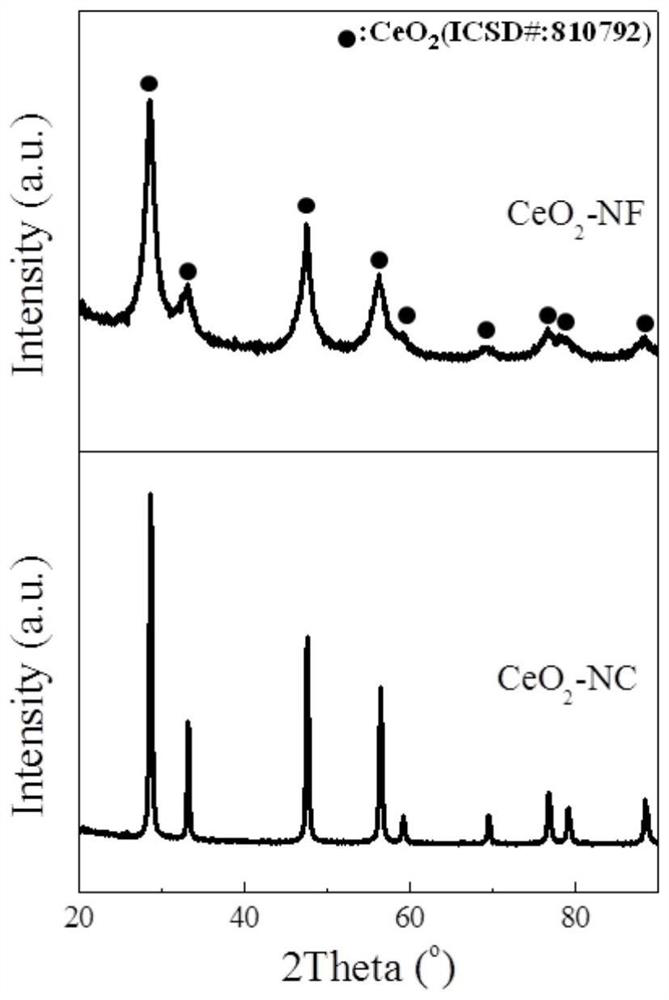
Figure 1 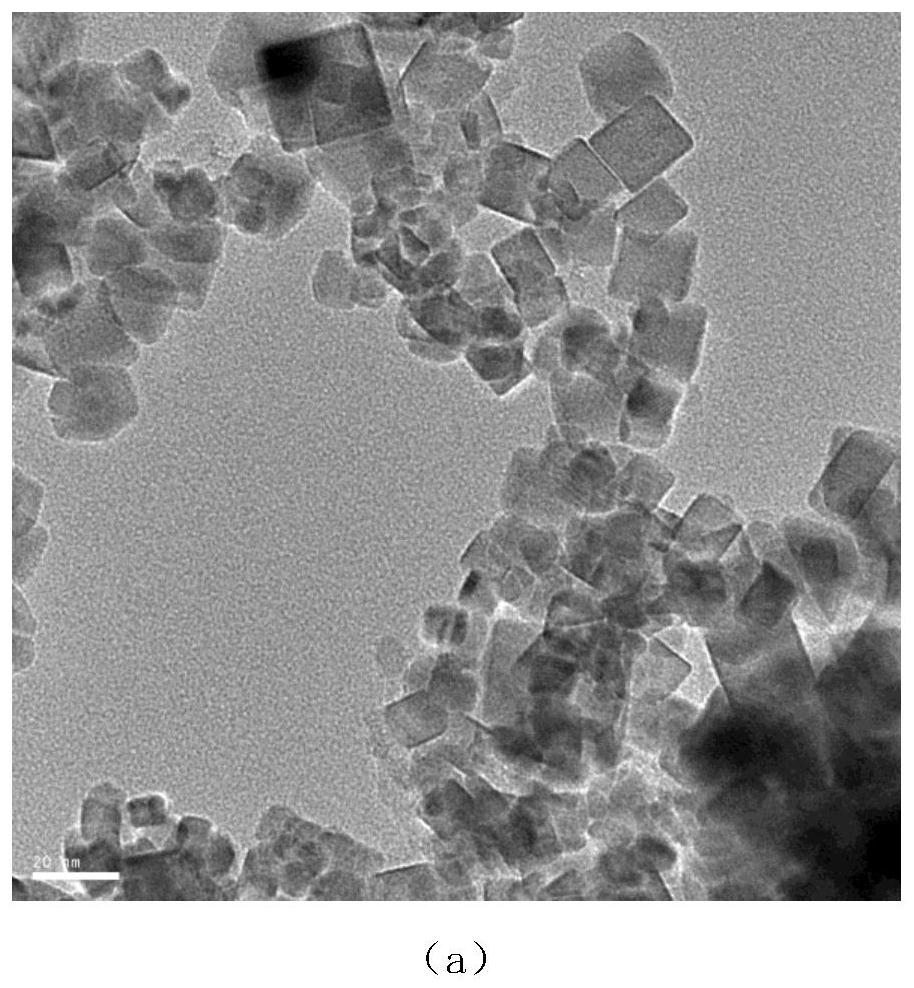
Figure 2 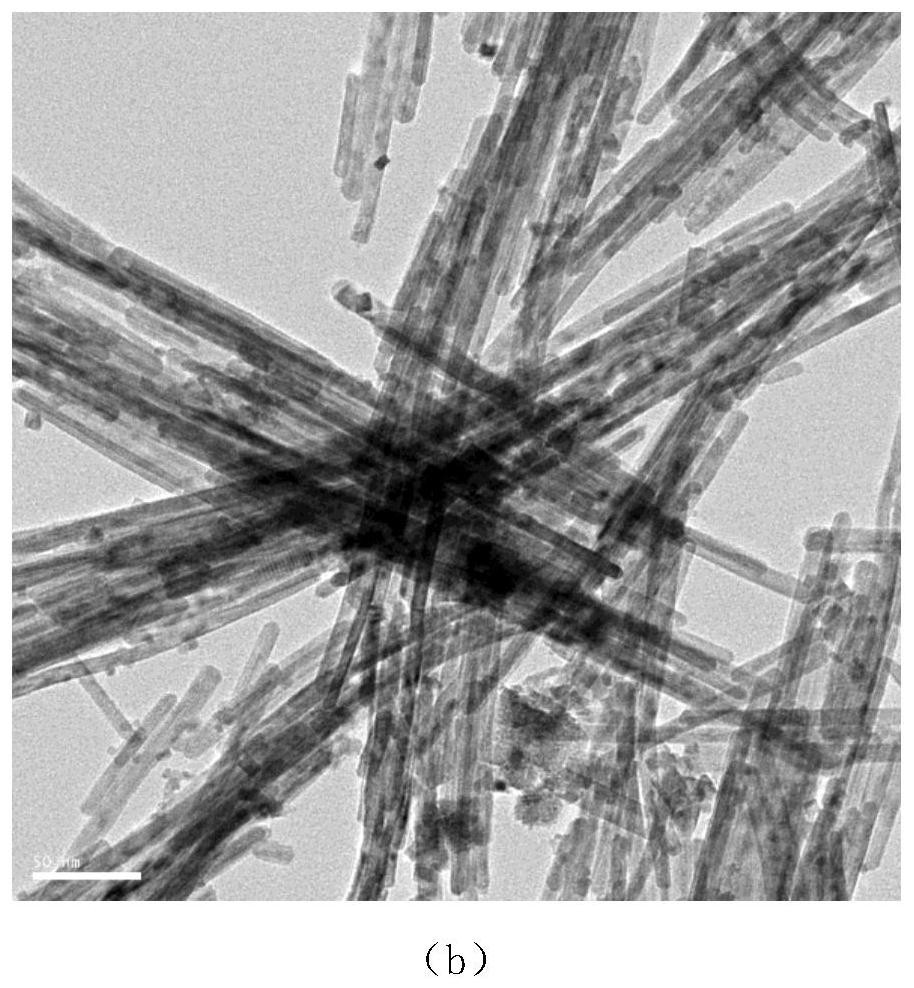
Figure 3
Abstract
Description
technical field
[0001] The invention relates to the technical field of adjusting and controlling the nano-microstructure of ceria materials, in particular to a method for adjusting and controlling the oxygen vacancy concentration of single-crystal ceria. Background technique
[0002] Among the many application fields of ceria, the application of catalysis is very important, especially the catalytic oxidation degradation of VOCs. The microscopic morphology and nanostructure of ceria are closely related to its catalytic performance. At present, many literatures have reported that, as an active component of a catalyst, its catalytic ability is not only affected by the specific surface area, but also affected to a large extent by the properties of the coated crystal planes, and the properties of the crystal planes are closely related to those of cerium dioxide. The microscopic morphology of cerium is closely related. Zhou et al. reported that in the catalytic oxidation of CO, t...
Examples
Embodiment 1
[0031] Take 1.736 kg of cerium nitrate and add it to 10 L of deionized water, and take 2.4 kg of sodium hydroxide and add it to 10 L of deionized water. After completely dissolving, add the two into two storage tanks for later use. Add 10L of pure water to a 40L volume reactor, seal and heat to 125°C, when the pressure inside the kettle is about 0.2MPa, pressurize the two storage tanks until the pressure is greater than 0.2MPa, and open the switch between the storage tank and the reactor valve, inject the reaction feed liquid of cerium salt and alkali into the reaction tank. Seal the reaction tank, stir at a speed of 100 rpm, set the hydrothermal reaction temperature of the reaction tank at 130° C., carry out the hydrothermal reaction, and stop the reaction after 48 hours. After cooling to room temperature, the pressure was released, and the reaction product mixture was subjected to solid-liquid separation, washed three times with deionized water, and washed three times with e...
Embodiment 2
[0036] Take 2.604kg of cerium nitrate and add it to 10L of deionized water, and take 4kg of sodium hydroxide and add it to 10L of deionized water. Add 10L of pure water to the 40L volume reactor, seal and heat to 170°C, when the pressure inside the kettle is about 0.6MPa, pressurize the two storage tanks until the pressure is greater than 0.6MPa, open the switch between the storage tank and the reactor valve, inject the reaction feed liquid of cerium salt and alkali into the reaction tank. Seal the reaction tank, stir at a speed of 100 rpm, set the hydrothermal reaction temperature of the reaction tank at 180°C, carry out the hydrothermal reaction, and stop the reaction after 24 hours. After cooling to room temperature, the pressure was released, and the reaction product mixture was subjected to solid-liquid separation, washed three times with deionized water, and washed three times with ethanol. The obtained particles were dried in a vacuum oven with a temperature of 80° C. ...
Embodiment 3
[0038] Take 1.232 kg of cerium chloride and add it to 10 L of deionized water, and get 4.48 kg of potassium hydroxide and add it to 10 L of deionized water. After completely dissolving, add the two into two storage tanks for later use. Add 10L of pure water to a 40L reactor, seal and heat to 150°C, when the pressure inside the kettle is about 0.4MPa, pressurize the two storage tanks until the pressure is greater than 0.4MPa, and open the switch between the storage tank and the reactor valve, inject the reaction feed liquid of cerium salt and alkali into the reaction tank. Seal the reaction tank, stir at a speed of 100 rpm, set the hydrothermal reaction temperature of the reaction tank at 160° C., carry out the hydrothermal reaction, and stop the reaction after 36 hours. After cooling to room temperature, the pressure was released, and the reaction product mixture was subjected to solid-liquid separation, washed three times with deionized water, and washed three times with etha...