
D-A type excited state proton transfer high-efficiency fluorescent material, and preparation method and application thereof
A technology of proton transfer and fluorescent materials, applied in luminescent materials, chemical instruments and methods, semiconductor/solid-state device manufacturing, etc., can solve the problems of separation and low fluorescence quantum efficiency of D-A molecules, achieve easy purification, and improve exciton utilization. and external quantum efficiency, synthesizing simple effects
Patent Information
- Authority / Receiving Office
- CN · China
- Patent Type
- Applications(China)
- Current Assignee / Owner
- Publication Date
- 2020-04-24
Smart Images
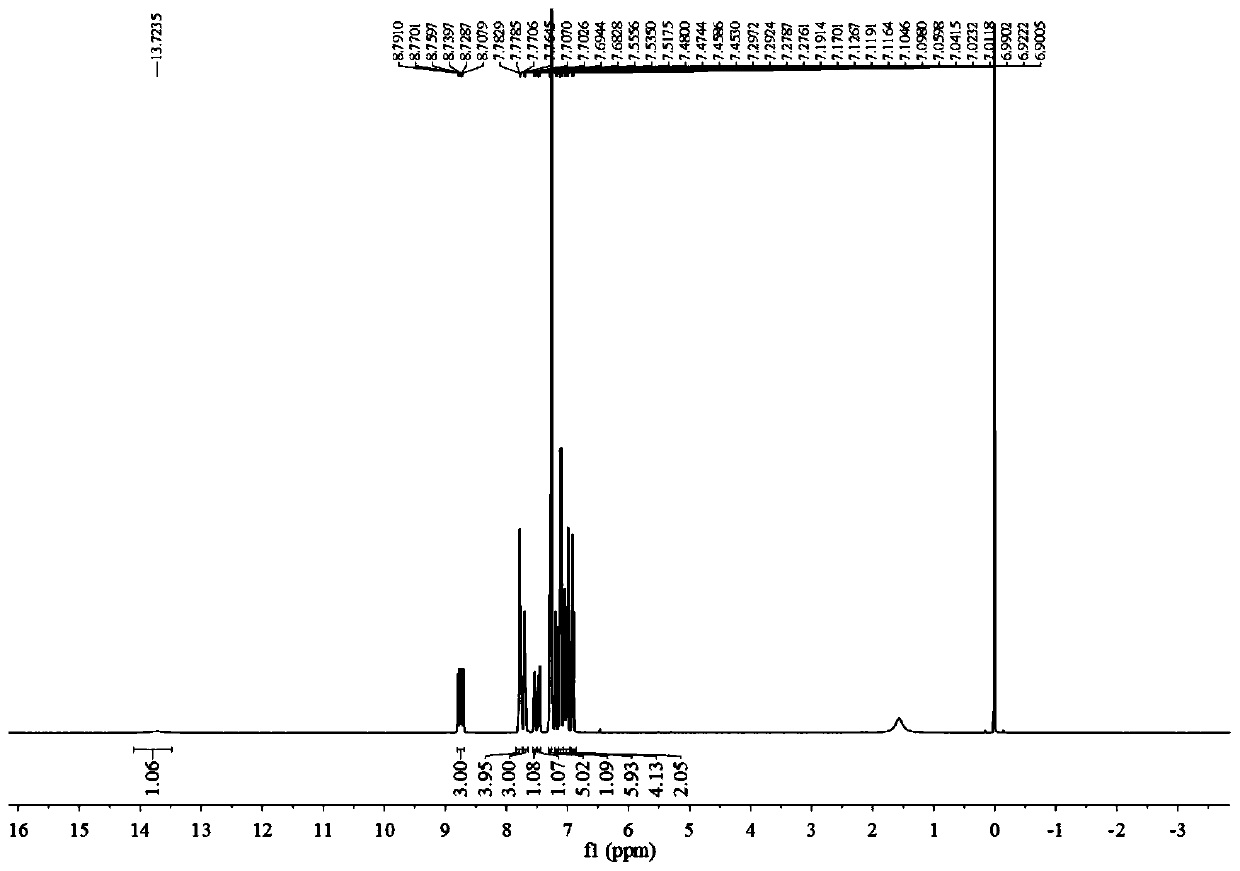
Figure 1 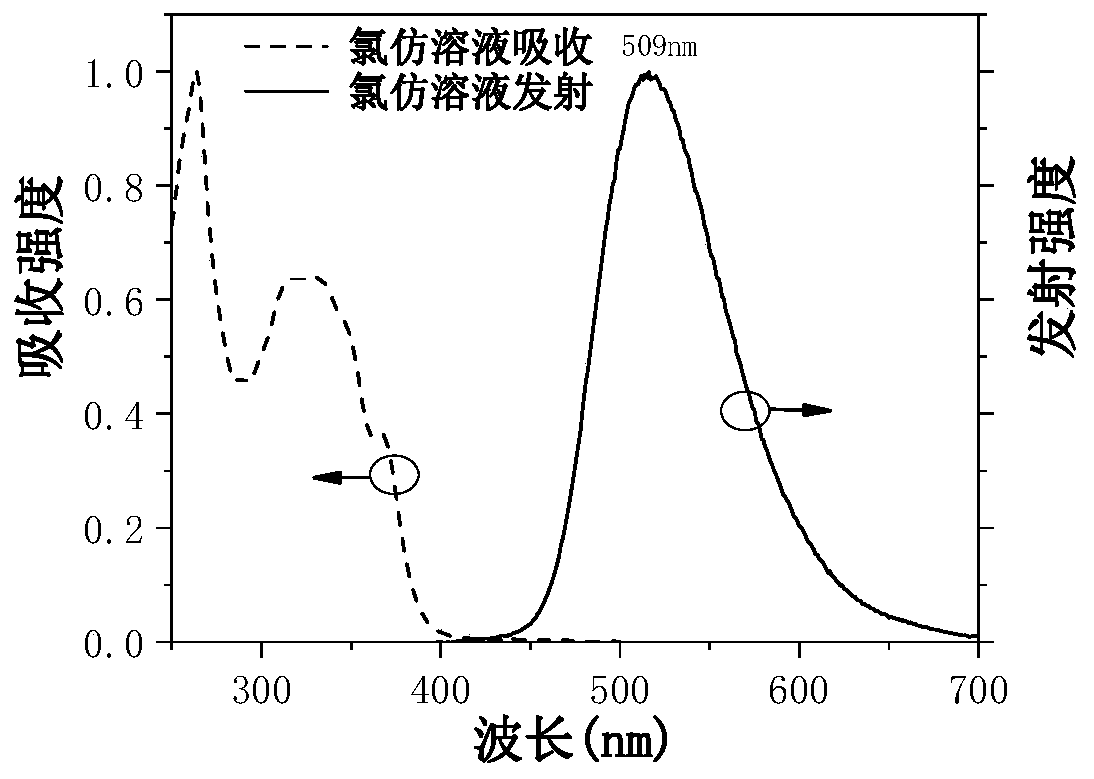
Figure 2 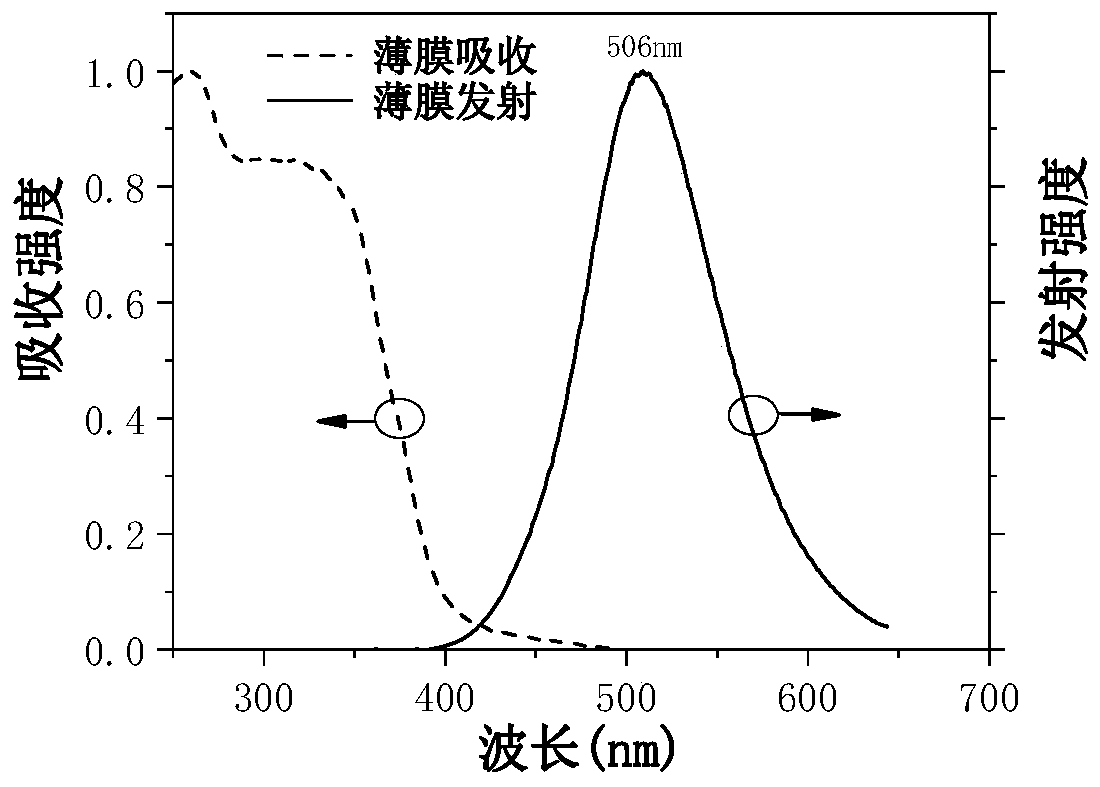
Figure 3
Abstract
Description
technical field
[0001] The invention belongs to the technical field of organic fluorescent materials, and relates to organic small molecule fluorescent materials with D-A structure, in particular to organic small molecule fluorescent materials with D-A structures that are simple to synthesize, have high-efficiency fluorescent quantum efficiency, and high exciton utilization rate, and a preparation method thereof with application. Background technique
[0002] Organic light-emitting diodes (OLEDs) have important application prospects in the fields of flat panel display and solid-state lighting due to their advantages such as self-luminescence, fast response speed, and flexible display. As one of the core materials of OLED devices, the light-emitting layer material has an important impact on the performance and stability of OLEDs.
[0003] Ideally, the light-emitting layer materials used in organic electroluminescent materials should have the following properties: 1) high flu...
Examples
Embodiment 1
[0027] The structural formula of the organic small molecule fluorescent material of the D-A structure of the present embodiment is as follows:
[0028]
[0029] The preparation method of the organic small molecule fluorescent material 5-TPA-PPI-OH of the D-A structure of the present embodiment comprises the following steps:
[0030] Step 1: the synthesis (M2) of triphenylamine boroester, the reaction equation is as follows:
[0031]
[0032] Step 1-1 (synthesis of M1): Put triphenylamine (10 g, 40.8 mmol) and 50 ml of chloroform into a 250 ml round bottom flask, and wrap the outside of the flask with aluminum foil to avoid light. N-bromosuccinimide (NBS, 7.5 g, 42 mmol, 1.02 equiv) was added to the flask in several portions. The mixture was stirred and reacted at room temperature in the dark for 24 hours. After the reaction, the reaction solution was washed three times with deionized water and extracted with dichloromethane. The extract was dried with an appropriate a...