
Nano-silica modified silicon resin super-hydrophobic coating, and preparation method and application thereof
A nano-silica, super-hydrophobic coating technology, applied in coatings, devices for coating liquid on the surface, special surfaces, etc., can solve the problems of decreased electrical insulation performance, poor hydrophobicity of surface coatings, etc., to reduce the surface energy, the preparation method is simple and easy, and the effect of increasing the micro-nano scale roughness
Patent Information
- Authority / Receiving Office
- CN · China
- Patent Type
- Applications(China)
- Current Assignee / Owner
- Publication Date
- 2020-05-15
- Estimated Expiration
- Not applicable · inactive patent
Smart Images
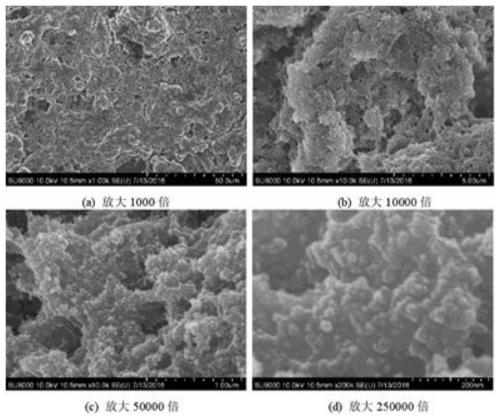
Figure 1 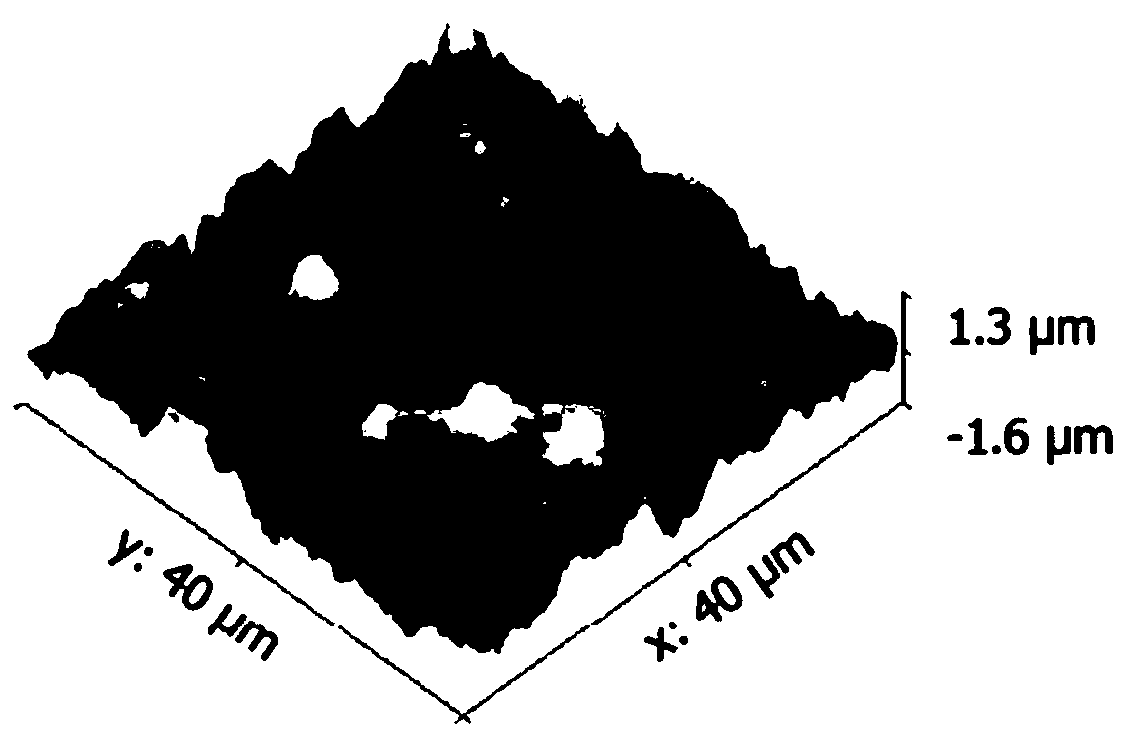
Figure 2 
Figure 3
Abstract
Description
technical field
[0001] The invention relates to the technical field of hydrophobic materials, in particular to a nano-silica modified silicone resin superhydrophobic coating, a preparation method and application thereof. Background technique
[0002] Most of the imported resin protective masking products do not meet the requirements of international IEC and my country's national and electric power industry standards. The fatal defect of the resin insulation blankets imported today is poor moisture resistance. Once the weather is wet or suddenly encounters light rain or the workers sweat and the insulation of the insulation blanket is damp, its insulation performance will be greatly reduced or even broken down. On-site live working leaves potential safety hazards. Existing soft insulating tools are easily damp under normal conditions or damp during transportation and use, resulting in inability to work midway and must be dried in an oven before continuing to use; , when it ...
Examples
Embodiment 1
[0025]Weigh 400mL of absolute ethanol and 30mL of tetraethyl orthosilicate solution, pour the mixture of tetraethyl orthosilicate and absolute ethanol into a three-necked electric stirring bottle with a capacity of 1000mL, and configure the volume ratio of distilled water and ammonia water to be 2 :7 mixed solution. 20 mL of distilled aqueous ammonia solution was dropped into a three-neck flask at a rate of 10 mL / min, and the reaction temperature and stirring speed were controlled to uniformly stir the mixed solution for 24 hours to obtain a nano-silica dispersion. The nano-silica was separated from the solvent by centrifugation, the solvent and by-products were removed, and after washing with ethanol three times, vacuum-dried at 120° C. for 12 h to obtain dried nano-silica particles.
[0026] Disperse 3 g of nano-silica particles and 5 g of tridecafluorooctyl triethoxy silicon in 40 g of ethanol solution, add to an electric stirring three-neck flask, and mix thoroughly at roo...
Embodiment 2
[0029] Weigh 200mL of absolute ethanol and 10mL of tetraethyl orthosilicate solution, pour the mixture of tetraethyl orthosilicate and absolute ethanol into a three-necked electric stirring bottle with a capacity of 1000mL, and configure the volume ratio of distilled water and ammonia water to be 2 :5 mixed solution. 10 mL of distilled aqueous ammonia solution was dropped into a three-neck flask at a rate of 10 mL / min, and the reaction temperature and stirring speed were controlled to uniformly stir the mixed solution for 24 hours to obtain a nano-silica dispersion. The nano-silica was separated from the solvent by centrifugation, the solvent and by-products were removed, and after washing with ethanol three times, vacuum-dried at 120° C. for 12 h to obtain dried nano-silica particles.
[0030] Disperse 2g of nano-silica particles and 4g of heptadecafluorodecyltriethoxysilane in 30g of ethanol solution, add to a three-neck flask with electric stirring, and mix thoroughly at ro...
Embodiment 3
[0033] Weigh 500mL of absolute ethanol and 40mL of tetraethyl orthosilicate solution, pour the mixture of tetraethyl orthosilicate and absolute ethanol into a three-neck electric stirring bottle with a capacity of 1000m L, and configure the volume ratio of distilled water and ammonia water to be 2 :5 mixed solution. 25 mL of distilled aqueous ammonia solution was dropped into a three-neck flask at a rate of 10 mL / min, and the reaction temperature and stirring speed were controlled to uniformly stir the mixed solution for 24 hours to obtain a nano-silica dispersion. The nano-silica was separated from the solvent by centrifugation, the solvent and by-products were removed, and after washing with ethanol three times, vacuum-dried at 120° C. for 12 h to obtain dried nano-silica particles.
[0034] Disperse 4g of nano-silica particles and 6g of tridecafluorooctyltriethoxysilicon in 50g of ethanol solution, add into a three-neck flask with electric stirring, and mix thoroughly at ro...