
Method for long-term stable preparation of 4-chlorobutyryl chloride
A chlorobutyryl chloride, stable technology, applied in the field of long-term stable preparation of 4-chlorobutyryl chloride, can solve the problems of low yield and difficulty in industrial scale-up production
Patent Information
- Authority / Receiving Office
- CN · China
- Current Assignee / Owner
- Publication Date
- 2020-08-11
- Estimated Expiration
- Not applicable · inactive patent
Smart Images
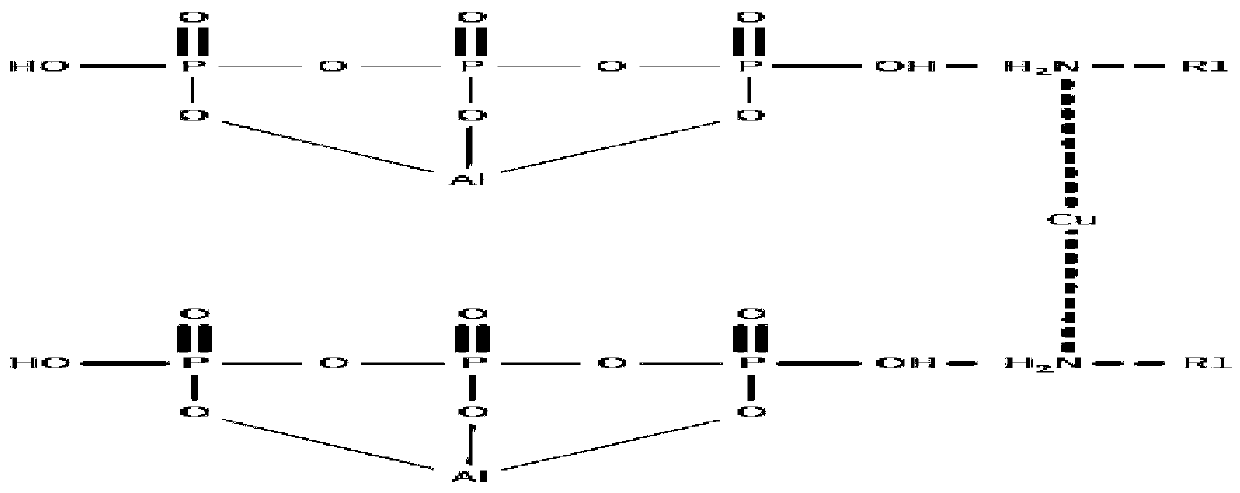
Figure 1 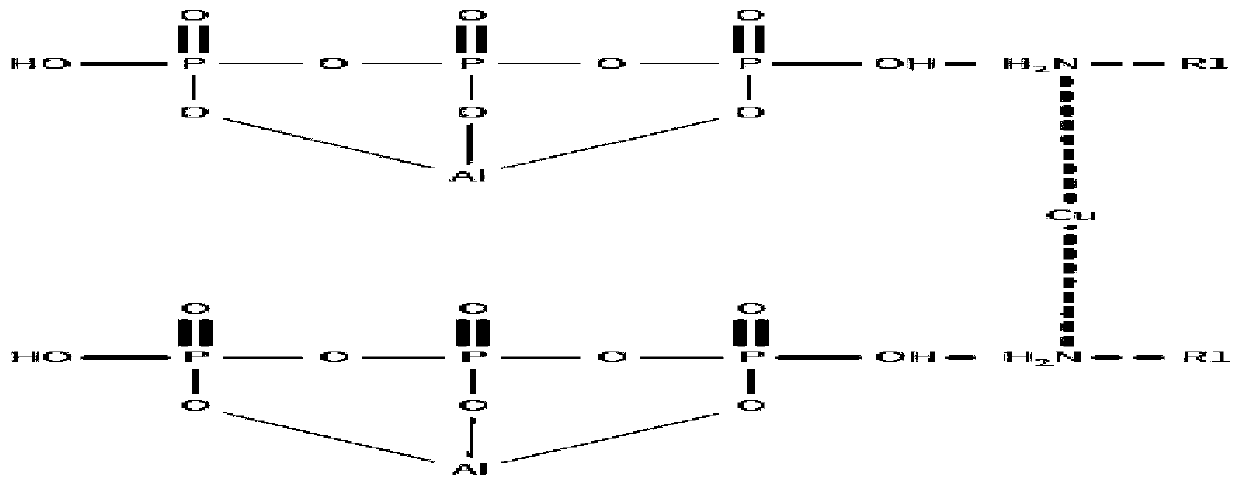
Figure 2 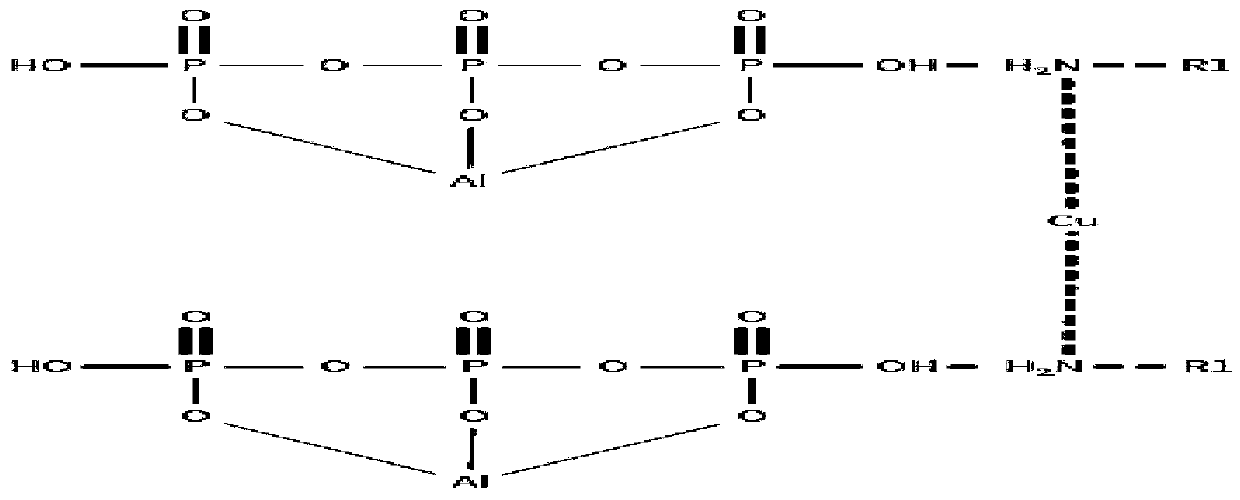
Figure 3
Abstract
Description
Technical field
[0001] The invention relates to a long-term and stable method for preparing 4-chlorobutyryl chloride. Background technique
[0002] 4-Chlorobutyryl chloride is an important intermediate in organic synthesis, pharmaceuticals and pesticides.
[0003] In the pharmaceutical industry, 4-chlorobutyryl chloride is used in the production of antipsychotic drugs trihaloperidol, triclosan, levetiracetam, and quinolone antibacterial drugs ciprofloxacin, ciprofloxacin, spar Shaxing et al. In the pesticide industry, it can be used to prepare isoxachlortrione, isoxaclotrione, etc.
[0004] At present, the existing industrial production method of 4-chlorobutyryl chloride is mainly obtained by chlorination of γ-butyrolactone through thionyl chloride under the catalysis of zinc chloride, with a yield of about 82%. However, although this process is simple to operate , raw materials are easy to obtain, but the cost of raw materials is high and there are more three wastes. ...
Examples
preparation example 1
[0035] Add 9g of methylamine and 50ml of absolute ethanol into the flask, stir evenly, then drop into it an ethanol solution containing 16g of anhydrous copper sulfate, stir and react at room temperature, after the reactant disappears, add 100g of The ethanol solution of aluminum dihydrogen phosphate was stirred and reacted at room temperature, separated and treated to obtain 79.8g of catalyst A.
preparation example 2
[0037] According to the same method as catalyst preparation example 1, except that 14 g of ethylamine was added instead of methylamine, and ethyl acetate was used as the solvent, the rest were the same to obtain 82.7 catalyst B.
preparation example 3
[0039] According to the same method as catalyst preparation example 1, except adding 28g of aniline instead of methylamine, adding 14g of anhydrous copper chloride instead of copper sulfate, the rest were the same to obtain 96.6g of catalyst C.