Application of ulinastatin precursor for detecting inflammation
A technology of Us and ligands, applied in the application field of kits, can solve the problems of no standardized judgment or specific indicators for detecting the initiation and degree of inflammatory response, and achieve early precision, high accuracy and sensitivity Effect
- Summary
- Abstract
- Description
- Claims
- Application Information
AI Technical Summary
Problems solved by technology
Method used
Image

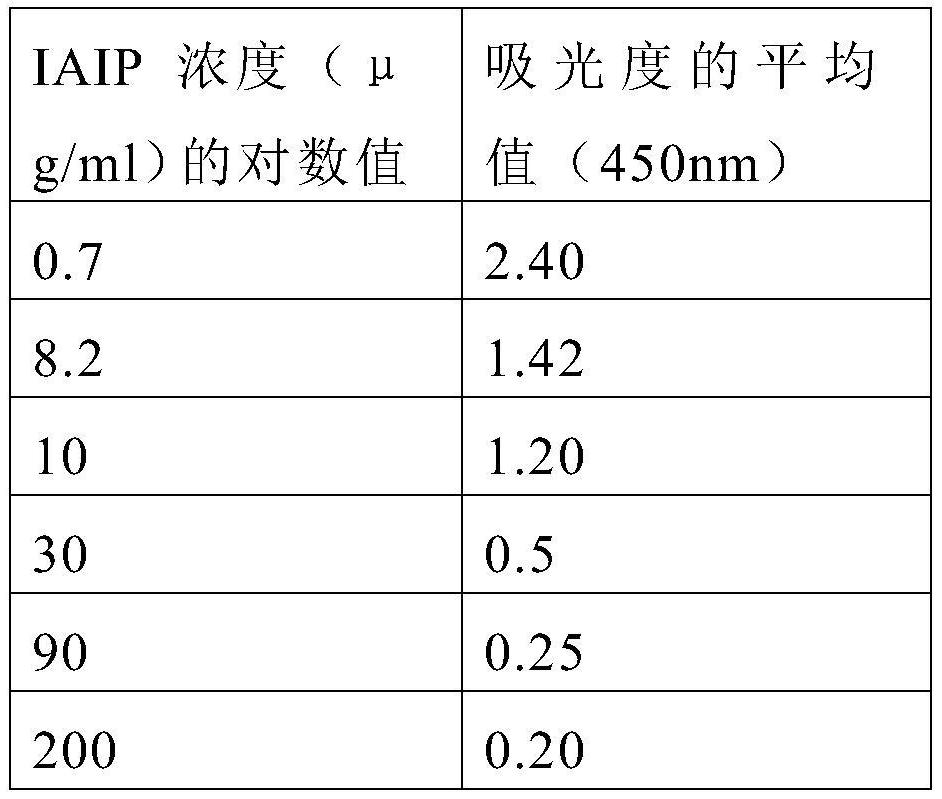
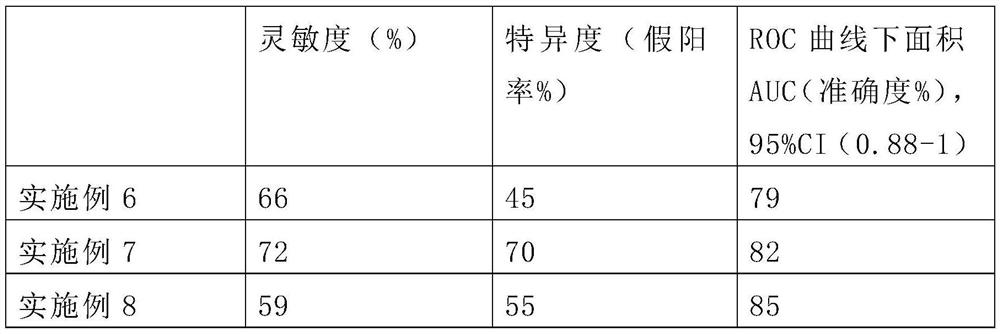
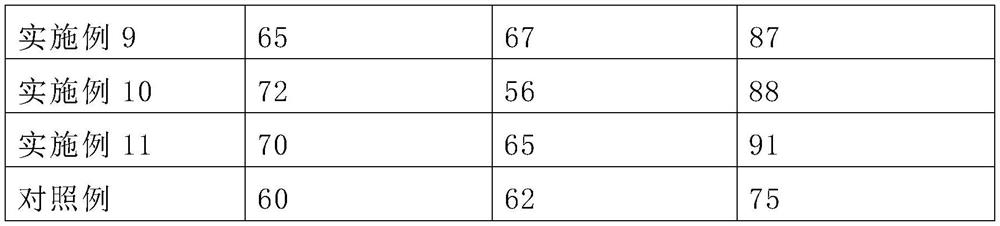
Examples
preparation example Construction
[0052] Methods of making antibodies are known to those skilled in the art. If polyclonal antibodies are desired, the selected animal (eg, mouse, rabbit, sheep, horse, etc.) is vaccinated with the immunogen polypeptide having the polypeptide epitope. Serum from vaccinated animals is collected and processed according to known procedures. If a polyclonal antibody against a polypeptide epitope has antibodies against other antigens, immunoaffinity chromatography can be used to purify the polyclonal antibody. Preparation and processing techniques for polyclonal antisera are known in the art. In order to generate a larger immunogenic response, a polypeptide or a fragment thereof can be hapten modified into another polypeptide for use as an immunogen in animals or humans.
[0053] In one embodiment, polyclonal antibodies are produced by immunizing rabbits with highly purified human plasma-derived IAIP. A preferred polyclonal antibody is R-16pAb.
[0054] Monoclonal antibodies dire...
Embodiment 1
[0108] The preparation of embodiment 1-purification IAIP
[0109] Milk or human milk was adjusted to pH 4.5 with acetic acid and centrifuged at 8500 rpm for 20 min. Collect the supernatant. Then, the pH of the milk supernatant was adjusted to pH 7.0 by adding 4M Tris buffer. After filtration, the milk supernatant was diluted 1:3 with a buffer containing 20 mM Tris pH 7.5 and 150 mM NaCl for further chromatographic separation. The diluted milk was then applied to a Tosoh GigaCap Q-650 column. After collecting the unbound fraction (flowthrough), the column was washed first with a salt-containing buffer (20 mM Tris pH 7.5 + 300 mM NaCl) and then with a low pH buffer (50 mM acetic acid, pH 4.5). Wash fractions were collected and the column was then eluted with elution buffer containing 20 mM Tris pH 7.5 and 750 mM NaCl.
[0110] Aliquots of unbound washed and eluted fractions were separated on 7.5% SDS-PAGE gels (BioRad TGX gels) and subsequently transferred to nitrocellulose ...
Embodiment 2
[0111] Example 2 - Preparation of biotinylated laminin 5
[0112] Laminin 5 was conjugated to biotin using biotin hydrazide reagent. Briefly, a solution (containing Tris-HCl and NaCl) of laminin 5 (from Merck) at a concentration of 0.5 mM was mixed with 0.35 mg of the cross-linker reagent EDC (1-(3-dimethylaminopropyl base)-3-3 ethylcarbodiimide hydrochloride (obtained from ) and 0.5 mM previously dissolved biotin-PEG4-hydrazide (from ThermoFisher) in DMSO were mixed for 1 hour at room temperature with gentle stirring. Buffer exchange of unconjugated biotin and PBS was performed by ultrafiltration on Amicon ultracentrifugal filter devices with filter membranes (Millipore) in triplicate. After dilution in heavy water, a solution of biotinylated laminin 5 was obtained. Finally, it was detected by BCA method, and the protein saturation signal was greater than 0.3nm, which proved the successful biotinylation of the protein.
PUM
 Login to View More
 Abstract
Description
Claims
Application Information
 Login to View More
 - R&D
- Intellectual Property
- Life Sciences
- Materials
- Tech Scout
- Unparalleled Data Quality
- Higher Quality Content
- 60% Fewer Hallucinations
Browse by: Latest US Patents, China's latest patents, Technical Efficacy Thesaurus, Application Domain, Technology Topic, Popular Technical Reports.
© 2025 PatSnap. All rights reserved.Legal|Privacy policy|Modern Slavery Act Transparency Statement|Sitemap|About US| Contact US: help@patsnap.com